
The New Word-of-Mouth: Discovering Books in the Digital Age
The journey to finding your next favorite book no longer begins by browsing the aisles of a bookstore. It starts with a scroll. A meticulously curated snapshot appears in your feed—a novel paired with autumn leaves, a fantasy epic set against a dramatic landscape. This is Bookstagram, the vibrant, image-centric ecosystem on Instagram that has fundamentally altered the lifecycle of a book. It has transformed personal recommendations into a powerful market force, creating a new pathway for discovery where the passion of everyday readers, not just established critics, dictates what lands on the bestseller list.
The Anatomy of a Viral Recommendation
What makes a Bookstagram post so influential? It’s a combination of visual appeal and deep-seated community trust. This one-two punch has proven more effective at moving copies than many traditional marketing campaigns, forcing the publishing industry to adapt to a new set of rules written by its own customers.
Taking the next step becomes straightforward when you have the right support — Heal your past, design your future is worth exploring.
Taking the next step becomes straightforward when you have the right support — Become an Ultimate Master of your life is worth exploring.
The Visual Handshake
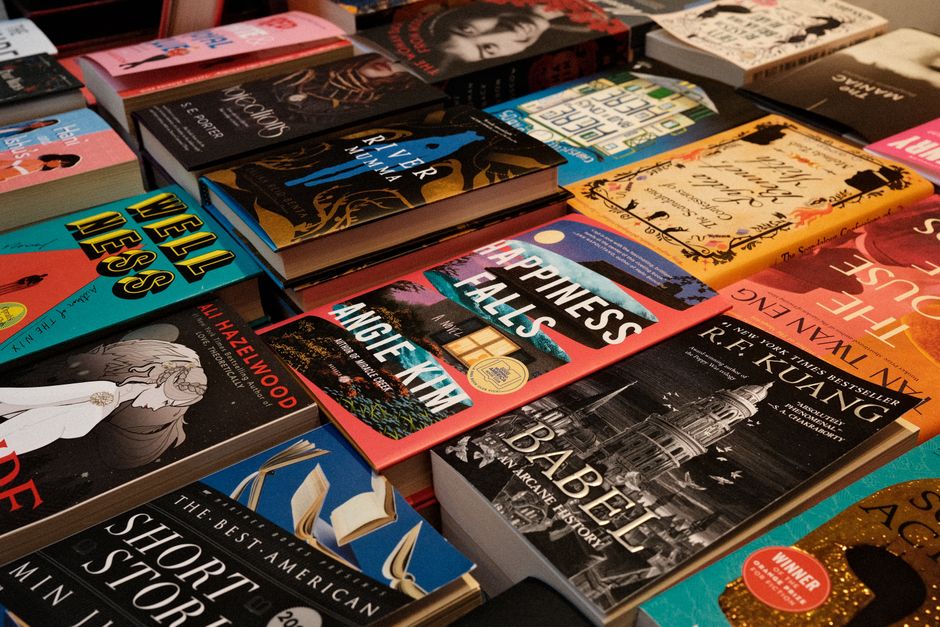
Before a single word of a review is read, a potential reader is engaged through a “visual handshake.” The aesthetic is the hook. This has had a direct and measurable impact on book design. Publishers now brief their art departments with a new question in mind: “Will this stand out on a phone screen?” The result is a trend towards high-contrast illustrations, bold, clean typography, and visually striking color palettes. Special editions with features like sprayed edges or intricate foil designs are produced specifically for this visually-driven market, turning the book itself into a desirable object perfect for sharing.
The Digital Whisper Network
While the image draws the eye, the caption and comments are where influence is truly built. A heartfelt, personal review from a trusted Bookstagrammer functions as a powerful endorsement. This creates a “digital whisper network” where recommendations spread organically through shares, tags, and discussions. This peer-to-peer validation is the platform’s core strength. Community events like read-alongs and online book clubs further cement this bond, creating shared experiences around a text that drive sustained engagement and sales long after a book’s official launch date.
The Ripple Effect: Igniting Literary Wildfires
Bookstagram’s power is most evident in its ability to create runaway hits from unexpected places, breathing new life into older books and catapulting new authors into the spotlight. This organic groundswell can rewrite a book’s history and an author’s career.
- Reviving Sleeping Giants: Books published years ago can suddenly find a massive new audience. Madeline Miller’s The Song of Achilles (2011), for example, saw a colossal resurgence nearly a decade after its release, driven almost entirely by emotional, reader-led discussions on Bookstagram and BookTok. Publishers now actively monitor social media for these trends, often reissuing backlist titles with new covers to capitalize on the renewed interest.
- Forging New Careers: The platform has become a de facto proving ground for new talent. Olivie Blake’s The Atlas Six built such an enormous cult following as a self-published novel that it ignited a fierce bidding war among major publishing houses. This demonstrates a paradigm shift where audience-building can now precede a traditional publishing deal, reversing the established industry model.
Remodeling the Publishing House from Within
The Bookstagram effect is no longer an external phenomenon for publishers to observe; it is a core consideration that shapes internal strategy from the ground up. The entire process, from acquisition to marketing, has been remodeled to account for this digital landscape.
A New Blueprint for Success
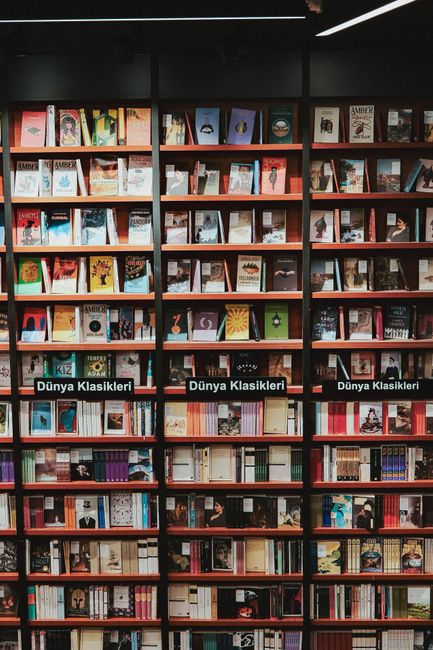
When editors and agents evaluate a new manuscript, its potential for online buzz is now a critical factor. They ask questions that were irrelevant a decade ago: Does it contain themes that will spark passionate debate? Is the central concept easily shareable in a video or a post? This “Bookstagram potential” can directly influence which books are acquired and how they are positioned in the market. Consequently, marketing budgets have been reallocated, with significant funds now earmarked for influencer outreach, curated promotional boxes designed for “unboxing” moments, and sponsored content campaigns, reflecting a permanent shift in how the industry connects books with readers.