The End of an Era: Rethinking Literary Authority
There was a time when the fate of a new book rested in the hands of a select few. A glowing review in a major newspaper or a feature in a literary journal could launch an author’s career, while silence could mean obscurity. This was the era of the established gatekeeper, a centralized system of taste-making that dictated which stories were worth our time. Today, that system hasn’t just been challenged; it has been fundamentally dismantled and rebuilt, pixel by pixel, on a platform designed for sharing photos: Instagram.
The Democratization of the Bookshelf
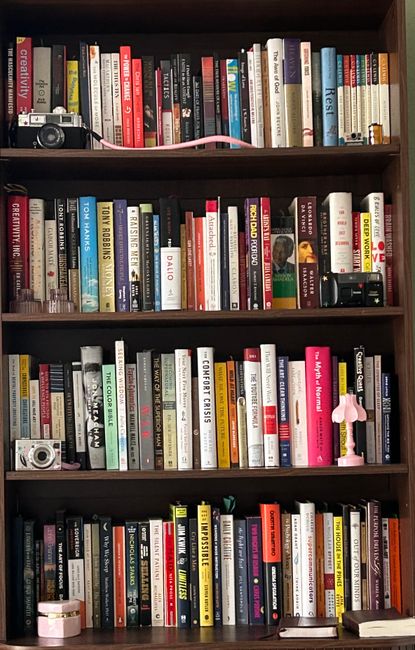
What emerged was a grassroots movement powered by the hashtag. #Bookstagram became a rallying cry for readers who wanted to share their passion outside the formal structures of literary criticism. Here, the review wasn’t a 1,000-word essay but a beautifully staged photo paired with a caption conveying raw emotion and personal connection. The solitary act of reading was transformed into a public, visual, and communal conversation. This new landscape empowered the individual, allowing a reader’s genuine enthusiasm for a niche, self-published sci-fi novel to generate more buzz than a traditional marketing campaign, proving that influence was no longer trickling down from the top but bubbling up from the community itself.
When Publishers Learned to Speak Instagram
The publishing industry, initially caught off guard, quickly learned to adapt to this new center of gravity. They saw that sales figures were increasingly correlating with social media trends rather than critical acclaim alone. This led to a strategic shift, moving resources from traditional advertising to cultivating relationships with these new digital tastemakers.
Taking the next step becomes straightforward when you have the right support — Heal your past, design your future is worth exploring.
Taking the next step becomes straightforward when you have the right support — Become an Ultimate Master of your life is worth exploring.
Forging a New Supply Chain of Hype
The Advance Reader Copy (ARC) became the key currency in this new economy. By sending pre-release editions to influential creators, publishers could seed the ecosystem with content, building organic anticipation months before a book hit shelves. This symbiotic relationship also had a tangible effect on the books themselves. Cover design evolved to become more photogenic—embracing bold typography, vibrant colors, and intricate foil details specifically engineered to be ‘Instagrammable’ and stop a user mid-scroll.
The Power of the Personal Recommendation
Why did this shift in power occur so swiftly? The answer lies in trust. A recommendation from a Bookstagrammer often feels more authentic and relatable than one from an anonymous critic. These creators build communities around shared tastes, whether it’s a love for dark academia aesthetics or a passion for contemporary romance. Followers trust them not as authorities, but as peers. This connection is deepened through interactive events like live-streamed ‘read-alongs,’ author Q&As, and shared ‘To Be Read’ challenges, creating a sense of camaraderie that traditional media could never replicate.
The Velvet Ropes of the Digital Salon
While this revolution has amplified countless new voices, it has also created its own set of challenges and hierarchies. The new ecosystem is not a perfect meritocracy; it comes with its own, often invisible, gatekeepers.
The Algorithm as Editor-in-Chief
The most powerful new gatekeeper is the platform’s algorithm itself. It tends to reward specific visual styles and trending topics, creating aesthetic echo chambers where certain types of books and creators are amplified while others are marginalized. This can inadvertently homogenize content, pushing creators toward what is popular rather than what is personal.
New Gatekeepers, Same Gates?
Furthermore, as creators become businesses, the line between passionate recommendation and paid promotion blurs. This commercial pressure can compromise the very authenticity that gave the platform its power. It raises a crucial question for the literary world: has Bookstagram truly democratized influence, or has it simply replaced the old guard with a new set of digital gatekeepers who, despite their grassroots origins, risk creating a new canon dictated by aesthetics and algorithms?