The Reader Revolution: Upending the Publishing World One Post at a Time
For decades, the path from manuscript to bestseller was a well-trodden road, paved by literary agents, legacy publishers, and established critics. A book’s success was often determined in quiet boardrooms and the pages of esteemed publications. Then came Instagram, and with it, a grassroots movement that would fundamentally disrupt this entire ecosystem. Known as Bookstagram, this global community of readers didn’t just share photos of books; they seized control of the narrative, transforming personal passion into market-moving power and rewriting the playbook for how literature is discovered, marketed, and consumed.
Dismantling the Ivory Tower: The Rise of the Peer Critic
The first pillar to fall was the traditional gatekeeping of literary criticism. Where once a handful of critics at major newspapers held the power to make or break a book, Bookstagram distributed that influence across a network of thousands of trusted peers. Authenticity became the new credential.
From Formal Review to Personal Connection
Instead of dense, academic critiques, Bookstagrammers offered emotionally resonant and highly personal takes. A review might focus on how a fantasy novel provided an escape during a difficult week or how a thriller’s plot twist was debated furiously in the comments. This shift created a powerful bond between creators and their followers, where a recommendation felt less like a formal judgment and more like advice from a well-read friend. This trust proved to be far more effective at driving sales than a detached, professional review.
Championing the Niche
This democratization also gave a voice to genres often overlooked by mainstream critics. Communities coalesced around hyper-specific interests like #solarpunk, #romantasy, or #cozyhorror, creating vibrant markets for books that might have been deemed too niche by traditional standards. Authors who once struggled for visibility found dedicated audiences ready to celebrate their work.

Taking the next step becomes straightforward when you have the right support — Become an Ultimate Master of your life is worth exploring.
Taking the next step becomes straightforward when you have the right support — Heal your past, design your future is worth exploring.
The Infinite Bookstore: Reimagining Curation and Discovery
Bookstagram effectively replaced the finite space of a physical bookstore with an infinite, algorithmically curated digital shelf. The platform redefined the art of book discovery, shifting it from a physical to a purely visual and social experience.
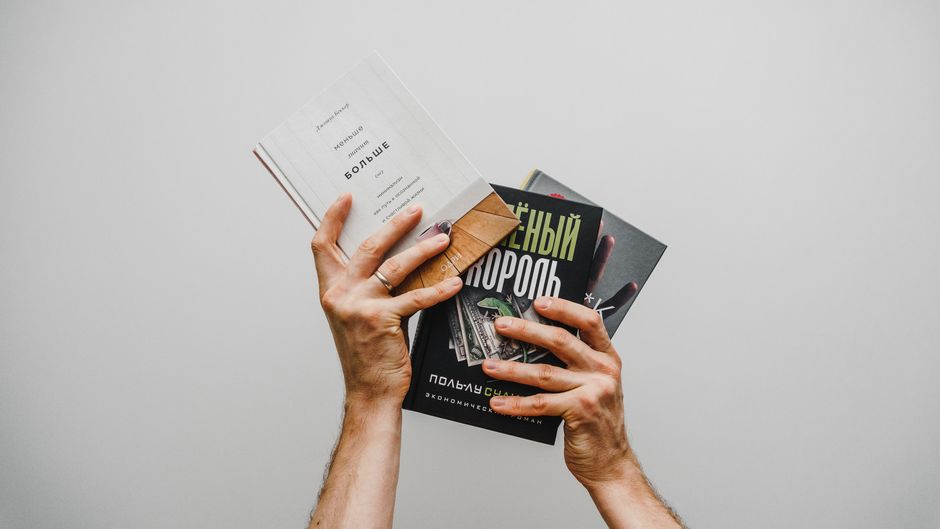
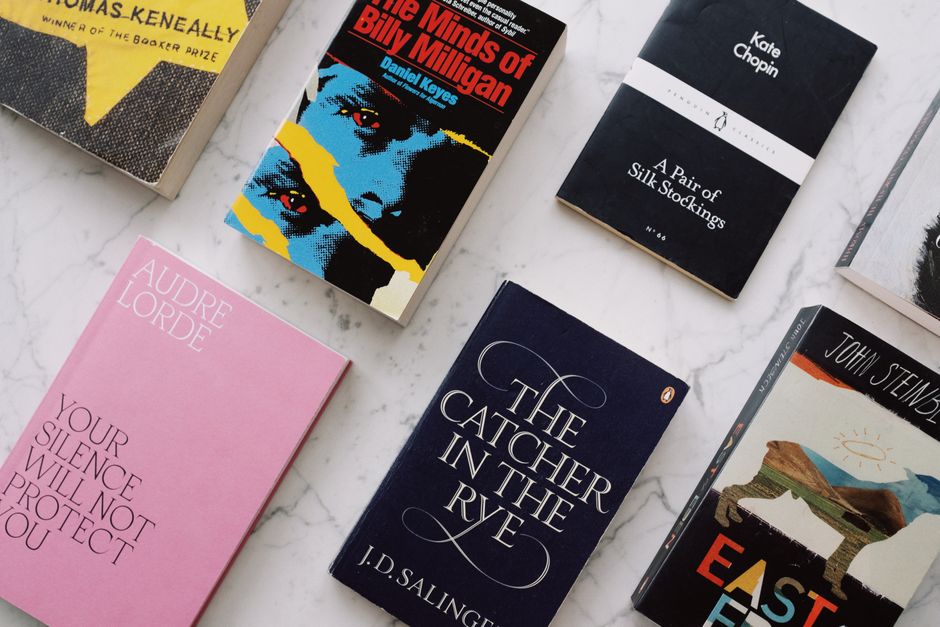
The meticulously crafted “flatlay”—a book artfully arranged with thematic items like a wand for a fantasy novel or a magnifying glass for a mystery—became the new form of visual merchandising. The “shelfie,” a portrait of a user’s bookshelf often organized by color, served as both personal expression and a curated recommendation list. These aesthetic choices weren’t just for show; they were a new language for communicating a book’s mood, genre, and target audience in a single glance, stopping a user mid-scroll and sparking curiosity in a way a simple cover image could not.
A New Marketing Pipeline: From Ad Buys to Influencer Boxes
Observing this shift, the publishing industry was forced to adapt. The old methods of print advertising and press tours were no longer sufficient. Publishers quickly realized that the most direct route to their target audience was through the very influencers who had built these communities.
The ARC Becomes Currency
The Advanced Reader Copy (ARC) was transformed from a simple review tool into a cornerstone of modern book marketing. Publishers began curating elaborate PR boxes, sending ARCs to hundreds of micro and macro-influencers months ahead of publication. This strategy generated a groundswell of organic buzz, building anticipation and securing pre-orders long before a book ever hit a physical shelf. An unboxing video from a key influencer could generate more excitement than a full-page ad in a magazine.
Micro-Influencers, Macro Impact
Publishers also learned the power of the micro-influencer—creators with smaller, but highly dedicated, followings. While a top-tier account could drive volume, a dozen micro-influencers in a specific niche could activate a passionate fanbase with surgical precision, ensuring a book reached its most likely readers with an authentic endorsement.
The Reader-Turned-Entrepreneur: A New Literary Career Path
This disruption didn’t just change publishing; it created an entirely new profession. What started as a hobby evolved into a viable career path for dedicated creators who successfully monetized their influence.
- Affiliate Networks: Simple “link in bio” tools became powerful revenue streams. By partnering with platforms like Bookshop.org or Amazon, creators earn a commission on every sale they inspire, turning their recommendations into a steady income.
- Brand Partnerships: The income streams diversified beyond the publishing world. Book-adjacent brands—subscription boxes, artisanal tea companies, and even furniture brands selling the perfect reading chair—began paying for sponsored content, recognizing Bookstagrammers as key lifestyle influencers.
- Digital Products: The most enterprising creators built brands of their own, selling digital reading planners, custom photo filters for achieving their signature look, and guides to growing a successful Bookstagram account.
The Authenticity Paradox: When Passion Becomes Performance
However, this revolution is not without its costs. The pressure to maintain an aesthetically pleasing feed and constantly produce engaging content can lead to significant burnout. The joy of reading can become entangled with the obligation to photograph, review, and post. The very authenticity that built the community is now under constant pressure from algorithmic demands and financial incentives, creating a challenging paradox for creators trying to balance their passion with the performance required to sustain it.