
The New Emotional Marketplace
The publishing world once ran on a predictable clockwork of release dates, critical reviews, and curated bookstore placements. Today, its rhythm is dictated by a far more volatile and potent force: the public performance of emotion. On TikTok, a platform optimized for viral moments, a book’s success is no longer solely determined by its literary merit but by its capacity to generate a visible, shareable emotional reaction. This is the core of #BookTok, a user-driven phenomenon that has transformed readers from passive consumers into the most powerful marketers in the industry, creating a new economy where feelings are the ultimate currency.
Instead of a formal review, the catalyst for a bestseller is now a video capturing a moment of profound catharsis—tears streaming down a face, a gasp of shock, or uncontrollable laughter. This raw display bypasses traditional criticism, creating an immediate, visceral connection with potential readers. The result has been a seismic shift, with BookTok’s influence credited for propelling print book sales to their highest levels in decades, proving that a 30-second video can have more commercial impact than a multi-million dollar marketing budget.
Decoding the Viral Signal
The magic of BookTok is not random; it’s a finely tuned interplay between human psychology and a powerful algorithm. The platform’s “For You” page prioritizes content that generates high engagement, and emotionally charged videos are a goldmine for user interaction. A successful BookTok video is essentially a data package, optimized for algorithmic discovery.
Taking the next step becomes straightforward when you have the right support — Heal your past, design your future is worth exploring.
Taking the next step becomes straightforward when you have the right support — Become an Ultimate Master of your life is worth exploring.
Key Components of a Bestseller Catalyst:
- Emotional Shorthand: Creators don’t pitch a plot; they pitch a feeling. They use a shared lexicon of literary tropes—such as “academic rivals,” “the grumpy/sunshine dynamic,” or “one bed”—that act as efficient, searchable keywords for specific emotional journeys that audiences crave.
- Aesthetic Packaging: The physical book is presented as a desirable object. Videos often feature aesthetically pleasing shots of the cover, the turning of pages, or the book set against a cozy backdrop. This transforms the book from a mere story into a tangible piece of a lifestyle.
- Algorithmic Synergy: Content is almost always paired with a trending audio clip. This leverages the algorithm’s existing momentum, pushing the video far beyond the creator’s immediate followers and into a vast, receptive audience.
The Great Timeline Collapse
Perhaps BookTok’s most disruptive impact is its complete disregard for the publishing calendar. The industry has long operated on a model of frontlist obsession, where a book’s commercial viability is largely decided within weeks of its release. BookTok has shattered this paradigm, creating a market where any book from any era can become a sensation overnight.
Resurrecting the Backlist
Books that were released years, or even decades, ago are experiencing unprecedented renaissances. Colleen Hoover, an author who had already built a career, saw her entire back catalog of novels from the 2010s simultaneously occupy multiple spots on the New York Times bestseller list. Similarly, Madeline Miller’s The Song of Achilles (2012) found a massive new Gen Z audience, driven by videos focusing on its heartbreaking themes. For the BookTok community, a book’s publication date is irrelevant; only its emotional resonance matters.
Digital Trends Shaping Physical Spaces
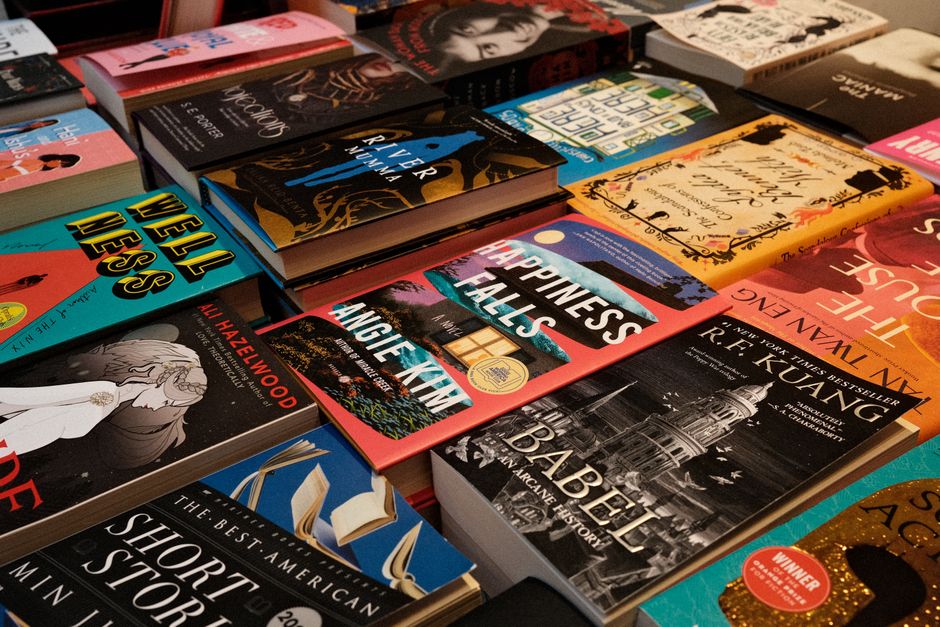
This digital phenomenon has forced a tangible change in the physical world. Walk into any major bookstore, and you will find prominent displays explicitly labeled “Trending on TikTok” or “BookTok Made Me Buy It.” These tables are a direct response to consumer demand, acting as a physical manifestation of the digital conversation. Retailers are no longer just taking cues from publishers; they are listening directly to the social media hive mind.
The New Author-Audience Contract
The rise of BookTok has fundamentally altered the relationship between writers and their readers, introducing a new level of direct access and immense pressure.
From Push to Pull Marketing
Publishers have pivoted from a “push” strategy (convincing the market to buy a book) to a “pull” strategy (identifying which books the market is already demanding). Marketing departments now include social media listening as a core function, tracking trends and rushing to reprint titles that show signs of going viral. Advance reader copies, once the domain of professional critics, are now eagerly sent to TikTok creators with engaged followings.
The Pressure to Perform
For authors, this new landscape is a double-edged sword. A viral video can launch a career or revive a dormant one, creating a life-changing financial windfall. However, it also creates an implicit expectation for authors to be content creators themselves—to be “authentic,” accessible, and active on a platform that demands constant engagement. This pressure to manage a personal brand can detract from the solitary work of writing, while the same platform that brings adoration can also become a source of intense, unfiltered public criticism, creating a volatile new reality for the modern author.