
The New Currency of Reading: Books as Content
In the digital economy of attention, a book is rarely just a book. It is an aesthetic prop, a status symbol, and the raw material for a constant stream of content. Welcome to Bookstagram, the corner of Instagram where the solitary act of reading has been remonetized into a public performance of taste and consumption. This platform has not just created a community; it has built a complex marketplace where likes are currency, a towering ‘To Be Read’ pile is a statement of wealth, and the line between reader and marketer has all but vanished.
The Feed as the New Bookstore Aisle
Once, literary discovery happened in the quiet aisles of a library or the curated displays of a local bookstore. Today, it happens in the chaotic, algorithmically-sorted scroll of an Instagram feed. Bookstagrammers have become the new gatekeepers and tastemakers, bypassing traditional critics to create powerful, peer-to-peer recommendation engines. Their influence is formidable; a single viral Reel featuring a new fantasy novel can launch an unknown author onto the bestseller lists overnight, demonstrating a marketing power that publishers now actively court.
This has shifted not only how books are sold but how they are made. Publishers are increasingly aware of a book’s ‘Instagrammability,’ leading to a rise in vibrant, photogenic covers designed to pop on a screen. Entire sub-genres, from ‘dark academia’ to ‘romantasy,’ have been amplified and defined by the visual language of the platform, creating niche markets that are both highly engaged and intensely commercialized.
Taking the next step becomes straightforward when you have the right support — Become an Ultimate Master of your life is worth exploring.

Taking the next step becomes straightforward when you have the right support — Heal your past, design your future is worth exploring.
Performing Consumption: The Economics of the ‘TBR’ Pile
Bookstagram culture is deeply intertwined with the performance of consumption. The ‘book haul,’ a post showcasing a recent purchase of multiple books, is a central ritual. It functions as a public display of purchasing power and dedication to the hobby. Similarly, the ‘shelfie’ is not merely a portrait with books; it is a carefully curated exhibition of one’s cultural capital.
This environment reframes the common ‘TBR’ (To Be Read) pile. It is no longer a private list of literary ambitions but a public backlog that signals one’s commitment to staying current. The anxiety it produces is not just about having too much to read, but about the fear of falling behind in a fast-moving trend cycle. This fosters a potent culture of comparison, where a reader’s worth can feel tied to their rate of acquisition and consumption, turning a personal library into a competitive leaderboard.
The Unpaid Internship of Influence
The creation of high-quality Bookstagram content is labor. It involves photography, set design (arranging the perfect flat lay with a dagger for a fantasy novel or pressed flowers for a romance), video editing, copywriting, and community management. For most, this is unpaid work, performed in exchange for social validation and community belonging.
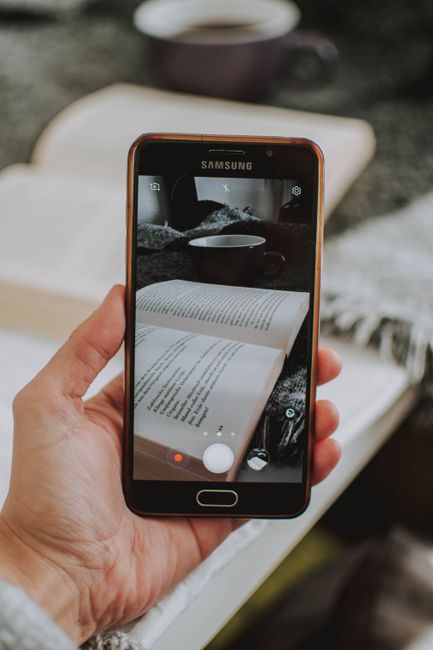
The pursuit of ARCs (Advance Reader Copies) exemplifies this dynamic. In exchange for a free, pre-release book, influencers are implicitly expected to generate marketing content. This system turns passionate fans into a volunteer promotional workforce for the publishing industry, blurring the distinction between authentic enthusiasm and professional obligation and turning leisure into a form of labor.
Caught in the Algorithm’s Net
While Bookstagram presents an illusion of infinite choice, its ecosystem is governed by an algorithm designed for one purpose: engagement. This creates powerful feedback loops that amplify what is already popular. A handful of hyped books can dominate feeds for months, creating an echo chamber that can drown out diverse, mid-list, or less visually appealing titles. The result is a potential homogenization of taste, where the community’s reading habits are subtly steered by what is most likely to generate likes and shares. The challenge for the modern digital reader is navigating this new landscape: embracing the vibrant community it offers without letting the logic of the algorithm dictate what ends up on their shelf.