From Social Feed to Sales Floor
A debut novel lands with little fanfare. Traditional reviews are sparse. Then, a creator with 50,000 followers posts a stylized photo: the book, artfully placed next to a steaming latte, its cover art popping against a minimalist background. The caption is a glowing, personal endorsement. Within days, the hashtag for the book is trending, sales spike, and publishers take note. This isn’t a fluke; it’s the new machinery of the book world. Welcome to the Bookstagram economy, where a well-placed post can be more powerful than a prestigious literary prize, and influence is the most valuable currency.
Once a niche corner of Instagram for avid readers to share their passion, Bookstagram has morphed into a formidable economic engine. It has fundamentally re-engineered the pathways of book discovery and promotion, shifting power from established critical institutions to a decentralized network of digital creators who have become the industry’s new, and often most effective, gatekeepers.
The Publisher’s Playbook in the Digital Age
The modern book marketing campaign is incomplete without a significant influencer component. Publishers now operate like savvy brand managers, identifying creators whose aesthetic and audience align with a new title. The process has become a standardized, high-stakes collaboration.
Taking the next step becomes straightforward when you have the right support — Heal your past, design your future is worth exploring.
Taking the next step becomes straightforward when you have the right support — Become an Ultimate Master of your life is worth exploring.
- Targeted Outreach: Marketing teams curate lists of influencers, segmenting them by genre preference (fantasy, romance, thriller) and audience size. The goal is to seed the community with early copies.
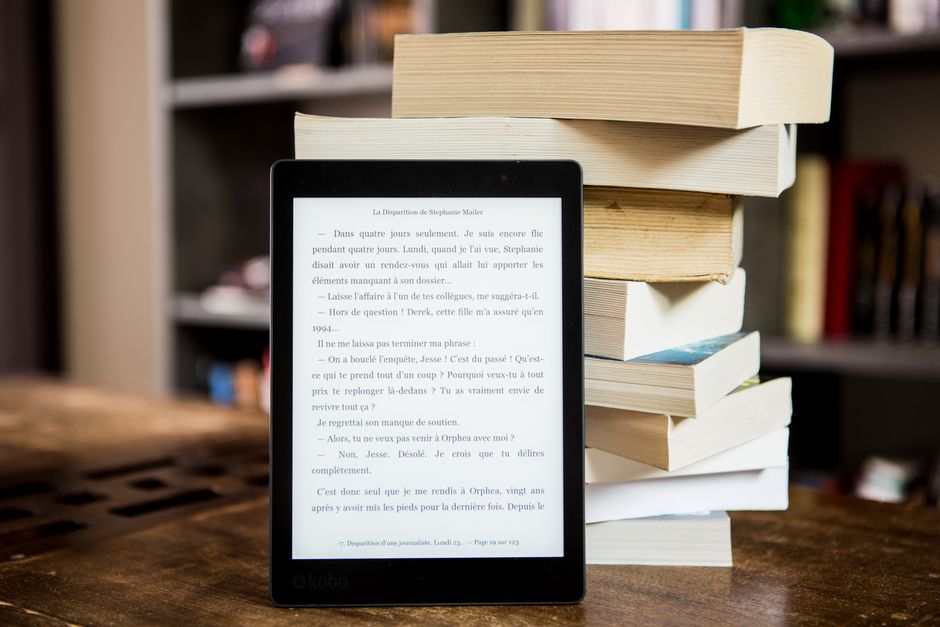
- The ARC Shipment: The Advanced Reader Copy (ARC) is the cornerstone of this economy. It’s a pre-release version of a book sent for free, creating a sense of exclusivity and generating buzz months before publication. Receiving an ARC is a status symbol for a creator, signifying their value to the industry.
- Campaign Deliverables: Engagements can range from informal mentions to paid contracts. A typical campaign might require an influencer to produce a dedicated grid post, a series of Instagram Stories with swipe-up links, and a short-form video (Reel), all timed to coincide with the book’s launch week.
Designing for the Scroll: The Product Reimagined
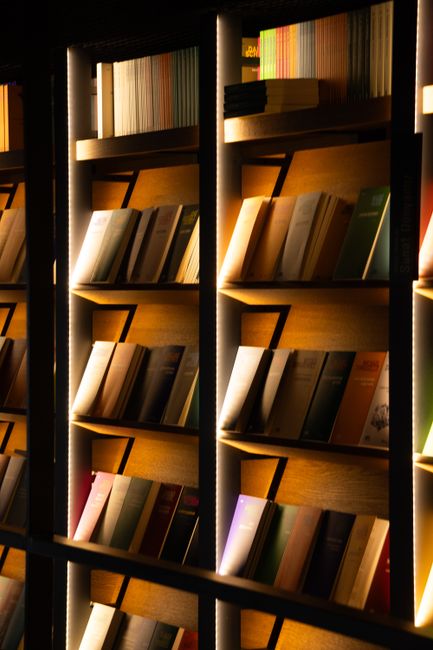
The influence of Bookstagram extends beyond marketing and directly into product development. A book’s physical design is now crafted with its digital-first impression in mind. The question is no longer just “Will this look good on a table?” but “Will this stop someone’s scroll?”
The Rise of the ‘Instagrammable’ Cover
Covers have become brighter, bolder, and more graphic. Illustrated characters, high-contrast typography, and foil embellishments are strategic choices designed to be photogenic and stand out in a crowded visual feed. The commercial success of what’s been termed the “cartoon cover” in contemporary fiction is a direct result of its inherent shareability on visual platforms.
Curated Consumption
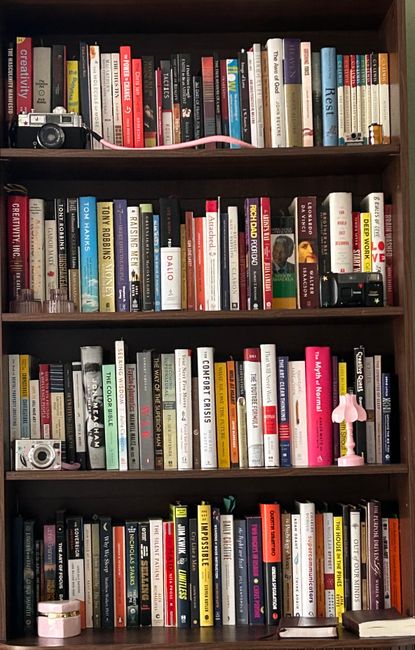
Visual trends within the community directly drive sales. The popularity of the “shelfie”—a photo of one’s bookshelf—has spurred readers to purchase books for aesthetic reasons. A color-coordinated shelf, for instance, can lead a user to buy multiple books from a publisher’s backlist simply to complete a rainbow effect. This transforms the book from a mere story into a piece of home decor and a consumable good showcased online.
The Monetization of a Hobby: A Creator’s Balance Sheet
For many, the line between passionate reader and professional content creator has blurred entirely. What begins as a hobby can evolve into a significant side hustle or even a full-time career, but this professionalization comes with its own set of pressures.
From Passion to Profession
Top-tier Bookstagrammers monetize their platforms through various channels: sponsored posts paid for by publishers, affiliate link commissions from book retailers, and creating their own merchandise. They are, in effect, small media businesses managing editorial calendars, negotiating contracts, and analyzing engagement metrics. The ever-present “To Be Read” (TBR) pile is no longer just a list of personal reading goals; it’s a content pipeline and a list of potential business opportunities.
The Labor of Reading
The shift to a professional model introduces new challenges. Algorithm dependency means creators are in a constant battle for visibility. The pressure to post consistently can lead to burnout, transforming the relaxing act of reading into a high-pressure job with deadlines. This creates a paradox where the very passion that built the platform—an authentic love for books—is threatened by the commercial demands required to sustain it.