The End of the Old Guard: A New Marketplace for Books
The traditional path for a book’s success once ran through a narrow, heavily guarded corridor: a positive review in a major newspaper, a feature in a literary journal, or placement on a bookstore’s front table. Today, that corridor has been blown wide open, replaced by a sprawling, chaotic, and visually driven bazaar. This new marketplace is #bookstagram, an ecosystem on Instagram that has fundamentally disrupted the publishing industry by shifting the power of literary curation from established institutions to a decentralized network of individual creators. It’s a world where a book’s commercial fate can be decided not by a critic’s prose, but by the aesthetic appeal of a single photograph.
The Currency of Curation: Aesthetics as Economic Drivers
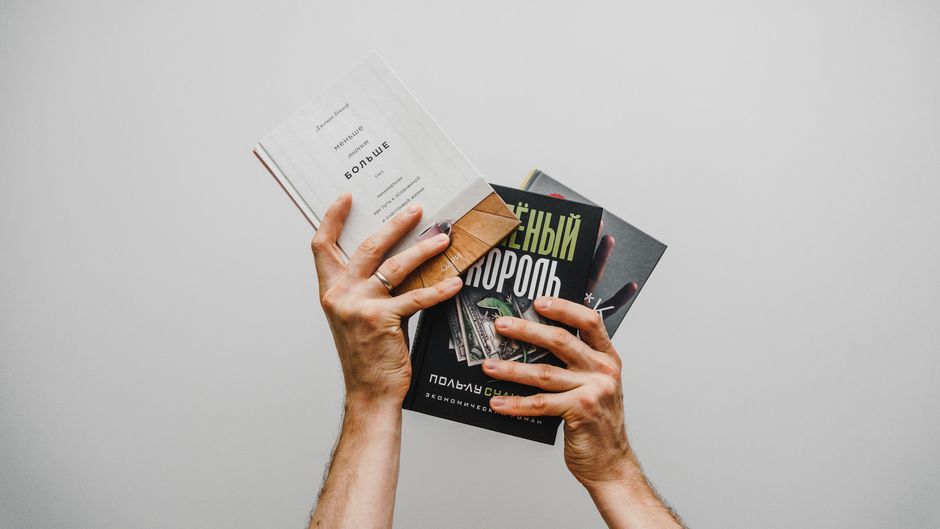
In the Bookstagram economy, the primary currency isn’t literary merit alone, but ‘aesthetic capital.’ A book is no longer just a collection of words; it is an accessory, a prop in a carefully constructed lifestyle narrative. This has given rise to a new visual lexicon that directly translates into consumer interest and sales.
- Lifestyle Integration: Photos don’t just show a book; they sell an experience. A fantasy novel is paired with gothic candles and dark wood to sell ‘dark academia,’ while a romance novel is nestled in soft blankets to sell cozy escapism. Consumers are buying into a mood as much as a story.
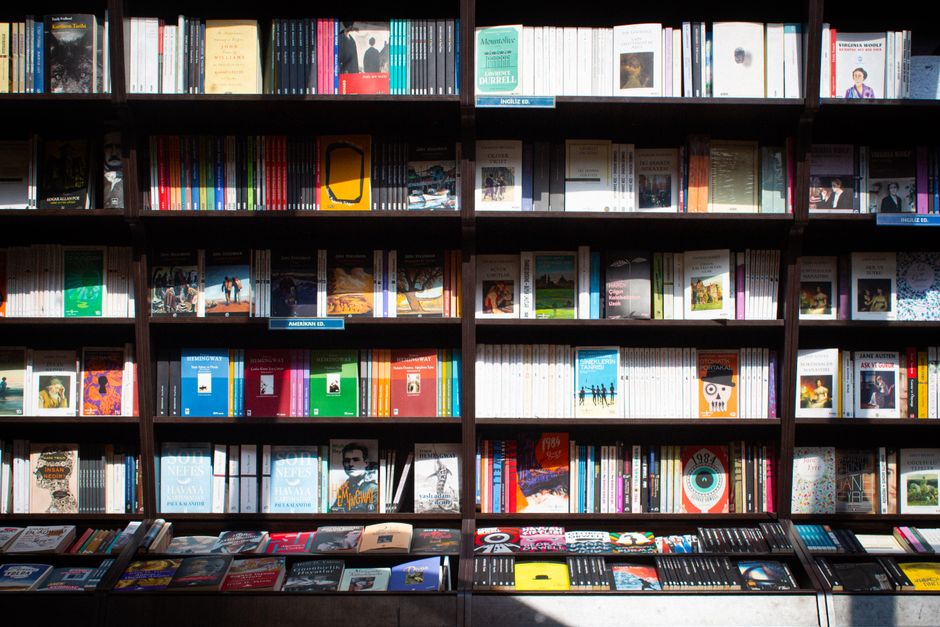
- The Curated Collection: The ‘shelfie’—a photograph of one’s bookshelf—has evolved from a simple display into a personal brand statement. It functions as a visual resume of one’s taste, influencing followers who aspire to a similar intellectual or aesthetic identity.
- Color and Cover as Clickbait: Book stacks arranged by the color of their spines or a gallery of stunning cover art act as visual hooks. In a fast-scrolling digital environment, a book’s ‘grammability’—its potential to look good in a photo—has become a crucial first step in its marketing journey.
Rewiring the Supply Chain: From Publisher to Influencer
This new marketplace has caused a seismic power shift, forcing the publishing industry to adapt or become irrelevant. The traditional top-down model of marketing has been inverted, with publishers now courting a new class of digital tastemakers.
Taking the next step becomes straightforward when you have the right support — Heal your past, design your future is worth exploring.

Taking the next step becomes straightforward when you have the right support — Become an Ultimate Master of your life is worth exploring.
The Rise of the Micro-Critic
Literary influencers, with follower counts ranging from thousands to millions, now hold the keys to entire segments of the reading public. Their authority is built on perceived authenticity and relatability, creating a bond of trust that a formal review often lacks. A recommendation from a trusted Bookstagrammer can trigger a cascade of sales, turning a mid-list debut into a runaway bestseller overnight. Publishers now actively scout and collaborate with these creators, treating them as essential marketing partners rather than mere readers.
The Product Itself Has Changed
The influence of Bookstagram extends back into the production process itself. A book’s design is no longer just about catching a browser’s eye in a physical store. Publishers now consider: Will this cover pop on a screen? Are there quotes inside that are easily shareable? The physical object is being optimized for digital performance. This has led to a surge in special editions with features like sprayed edges, foiled covers, and decorative endpapers—elements designed specifically to create a compelling ‘unboxing’ experience for video and photo content.
The Reader’s Dual Role: Consumer and Marketer
The Bookstagram effect has profoundly altered the experience of being a reader. It has created a more participatory and connected literary culture, but one that comes with its own set of pressures and paradoxes.
From Solitary Act to Communal Performance
Reading, once a largely private pursuit, is now often a public performance. The pressure to keep up with trending titles, to post about one’s reading progress, and to curate an appealing ‘currently reading’ list can sometimes overshadow the simple joy of getting lost in a book. The ‘TBR’ (To Be Read) pile has become both a genuine list of future reads and a piece of social currency, a declaration of one’s literary ambitions.
Democratization and its Downsides
On one hand, this new ecosystem has democratized discovery, giving a platform to diverse voices and niche genres that might have been ignored by traditional media. On the other, the platform’s algorithms can create powerful echo chambers, relentlessly promoting a handful of viral books while burying others. This can lead to a homogenization of popular taste, where the market is dominated by whatever is currently trending, making it harder for unique, less visually marketable books to find their audience.
Conclusion: A Market Permanently Altered
Bookstagram is not a fleeting phenomenon; it represents a permanent restructuring of the literary marketplace. It has transformed books into visual and social objects, decentralized the authority of taste, and forged a direct, powerful, and complex link between authors, publishers, and readers. While this new economy presents challenges of commercialism and algorithmic bias, it has also injected the world of books with a vibrant, participatory energy, proving that in the digital age, a picture is not only worth a thousand words—it can sell a thousand copies.