
The New Gatekeepers: How Influence Shifted from Print to Platform
The journey of a book to the top of the bestseller list once followed a predictable path paved with trade reviews, critical acclaim, and placement in brick-and-mortar stores. Today, that journey often begins with a single, perfectly lit photo. A new class of literary tastemakers has emerged, not from the hallowed halls of legacy publications, but from the glowing grids of Instagram. This is Bookstagram, a digital ecosystem that has fundamentally rewired the economics of publishing, shifting the power to declare a hit from institutions to a decentralized network of individual creators.
From Reader to Brand: The Anatomy of a Book Influencer
The authority of a Bookstagrammer doesn’t stem from a formal literary background but from a carefully cultivated persona of authenticity and trust. They are not just reviewers; they are digital merchandisers, community managers, and brand ambassadors. By sharing their reading lives through a consistent aesthetic—be it cozy minimalism, dark academia, or vibrant maximalism—they build a parasocial bond with their followers. A recommendation from an account with 100,000 followers is perceived less as an advertisement and more as a passionate suggestion from a well-read friend, giving it immense commercial weight that traditional marketing struggles to replicate.
The Publishing Pipeline, Reimagined for the Grid
The rise of this new influencer class has forced a radical adaptation within the publishing industry. The entire lifecycle of a book, from acquisition to marketing, is now viewed through the lens of its social media potential.
Designing for Discovery
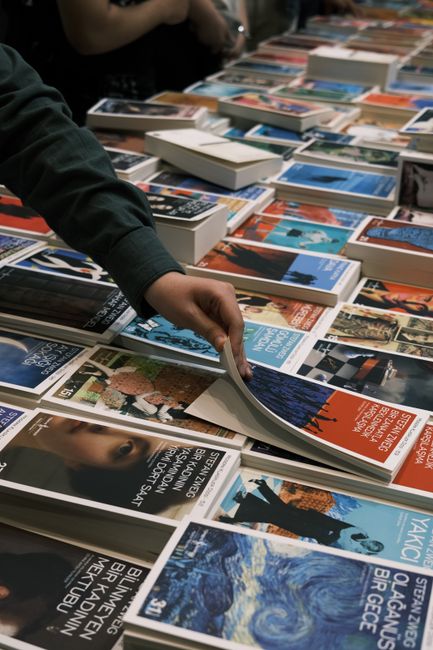
A book cover’s primary job is no longer just to stand out on a physical shelf; it must be a ‘thumb-stopper’ on a crowded digital feed. This has fueled a surge in specific design trends: bold, sans-serif fonts, high-contrast color palettes, and illustrated ‘cartoon’ covers, particularly in the romance and contemporary fiction genres. Authors like Emily Henry and Casey McQuiston have become synonymous with this vibrant, highly shareable cover art style, which functions as a key visual asset in the Bookstagram economy.
Taking the next step becomes straightforward when you have the right support — Become an Ultimate Master of your life is worth exploring.
Taking the next step becomes straightforward when you have the right support — Heal your past, design your future is worth exploring.
The Currency of Influence: ARCs and Unboxings
The advance reader copy (ARC) has evolved from a simple review tool into the central currency of influencer marketing. Publishers now orchestrate elaborate campaigns, sending curated PR boxes filled with themed merchandise designed to create an ‘unboxing’ experience. This strategy doesn’t just deliver the book; it delivers a ready-made, photogenic moment for the creator to share, effectively outsourcing the creation of high-quality marketing assets to a network of trusted voices.
The Algorithm as Tastemaker: Manufacturing a Megahit
Bookstagram’s influence isn’t just about peer-to-peer recommendations; it’s about how those recommendations are amplified by a powerful and opaque algorithm. The platform’s mechanics reward engagement, creating a feedback loop where popular books become exponentially more visible, dominating the digital conversation.
The Long Tail of a Viral Hit
This dynamic has a profound ability to ignite ‘sleeper hits’ years after their publication. No author exemplifies this more than Colleen Hoover, whose backlist titles like ‘It Ends With Us’ (2016) were catapulted to the top of global bestseller lists nearly half a decade after release. This was driven not by a publisher’s marketing push, but by a groundswell of organic enthusiasm on Bookstagram and its video-based counterpart, BookTok, demonstrating a new model for a book’s commercial lifecycle—one that is sustained, unpredictable, and entirely reader-driven.
The Hidden Costs of Curated Reading
While Bookstagram has democratized literary conversation and driven unprecedented sales, its commercial focus creates a new set of challenges for authors, creators, and the culture of reading itself.
The Tyranny of the Trend
The same algorithmic forces that create bestsellers can also foster a monoculture. As certain genres, tropes, and aesthetic styles are rewarded with visibility, it becomes harder for books that fall outside these trends to find an audience. This can lead to a risk-averse acquisitions process, where a book’s perceived ‘Instagrammability’ may be valued over its literary innovation.
The Content Treadmill and Author Pressure
For creators, a passion for reading can transform into a relentless job of content production, leading to burnout. Furthermore, the expectation has shifted for authors themselves to become active participants and personal brands on these platforms. This adds the demanding, and often unpaid, role of social media manager to the solitary work of writing, creating a new barrier for authors who are unable or unwilling to perform their lives online.