
The New Currencies of the Digital Bookshelf
In the bustling marketplace of modern literature, the most valuable currencies aren’t always dollars and cents. They are trust, engagement, and aesthetic appeal. Welcome to the Bookstagram Economy, a complex ecosystem where a reader’s passion is converted into market influence, and a book’s success can be determined by its digital footprint long before it tops any bestseller list. This isn’t just a community; it’s a decentralized market that has fundamentally altered the business of books.
- Core Concept: Bookstagram operates as a micro-economy where creators, publishers, and readers exchange social and financial capital.
- Key Players: Influencers act as tastemakers and retailers, publishers are investors seeking returns on engagement, and readers are consumers whose data shapes market trends.
- Primary Exchange: The flow of pre-release books (ARCs) and sponsored content in exchange for authentic, visually compelling promotion that drives sales.
From Passion to Enterprise: The Creator as a Business
At the heart of this economy is the creator, an individual who has transformed a personal library into a digital storefront. Their business is built on a foundation of authenticity, and their product is trusted recommendation.
Building Social Capital
A Bookstagrammer’s primary asset is their social capital—the trust they’ve cultivated with their audience. This isn’t built overnight. It’s the result of consistent, genuine engagement and a curated aesthetic that reflects a unique reading identity. A post featuring a thriller novel might be styled with dark, moody lighting and a cup of black coffee, signaling a specific brand of recommendation. This careful branding turns a follower into a loyal customer who trusts the creator’s ‘endorsement’.
The ARC as Seed Funding
Publishers participate in this economy by providing ‘seed funding’ in the form of Advanced Reader Copies (ARCs). Sending an ARC to a creator with 20,000 engaged followers is a strategic investment. It’s a low-cost way to test a book’s market appeal, generate organic pre-launch buzz, and gather invaluable consumer feedback. The creator receives a ‘product’ for free, while the publisher gains access to a highly targeted focus group and marketing channel, a classic B2B exchange in this new marketplace.

Taking the next step becomes straightforward when you have the right support — Heal your past, design your future is worth exploring.
Taking the next step becomes straightforward when you have the right support — Become an Ultimate Master of your life is worth exploring.
The New Rules of a Digitally Driven Market
The Bookstagram economy has forced the century-old publishing industry to adapt its strategies, from product design to marketing allocation. Success now requires fluency in this new digital language.
Publishers as Venture Capitalists
Publishing houses now act like venture capitalists, allocating their marketing budgets to a portfolio of influencers. They analyze engagement metrics, follower demographics, and content style to find the creators most likely to deliver a high return on investment. A campaign for a literary fiction novel might target a creator known for thoughtful, long-form reviews, while a YA fantasy launch would be directed toward accounts specializing in vibrant ‘shelfies’ and fan theories. This targeted approach is often more efficient than broad, traditional advertising.

The Product: Engineered for the Feed
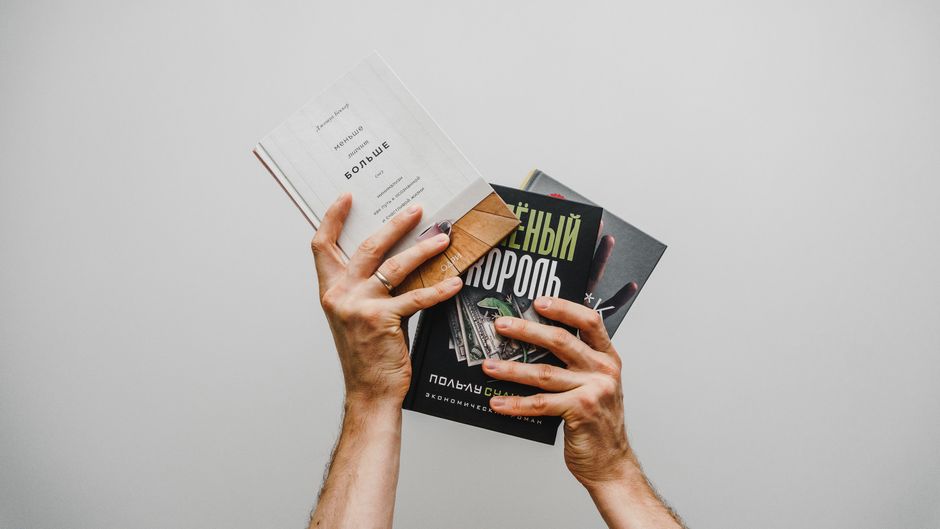
The physical book itself has become a product engineered for digital success. The rise of minimalist covers with bold, sans-serif typography (think Sally Rooney or Ottessa Moshfegh) is no accident. These designs are clean, photogenic, and instantly recognizable in a fast-scrolling Instagram feed. The cover is no longer just a protective sleeve; it’s a key piece of marketing collateral designed to be unboxed, photographed, and shared.
Market Volatility and Hidden Risks
Like any economy, the Bookstagram market has its own set of risks, from speculative bubbles to questions of regulation and transparency.
The Inflation of Hype
The community’s power can create intense hype cycles, effectively inflating the ‘stock value’ of a few chosen books. This can create a market bubble where a handful of titles dominate conversation and retail space, pushing out other deserving books from smaller presses or debut authors. When everyone is posting about the same three books, the diversity of the literary landscape can shrink.
The Authenticity Tax
As creators move from receiving free books to accepting paid partnerships, they face the ‘authenticity tax.’ Every sponsored post (#ad) risks diminishing the trust that forms their core asset. Audiences are savvy and can become skeptical of recommendations they perceive as purely transactional. Successful creators must strike a delicate balance, integrating paid content so seamlessly that it doesn’t disrupt the trust-based relationship with their followers.
Algorithmic Gatekeeping
The market is heavily influenced by an unregulated, invisible force: the platform’s algorithm. When Instagram prioritizes video content (Reels) over static photos, it forces creators to adapt their style. This ‘algorithmic gatekeeping’ can favor certain types of content and creators over others, fundamentally shaping what books gain visibility and, consequently, which ones sell.