
From Institution to Influencer: A Fundamental Shift in Literary Power
Not long ago, the path to literary stardom was paved by a select few: esteemed critics, prize committees, and the buyers for major bookstore chains. A book’s fate rested in the hands of these institutions. Today, its success is just as likely to be determined by a viral video, a heartfelt photo caption, or a passionate recommendation from a reader with a trusted online presence. This is the new literary landscape—a decentralized, reader-driven ecosystem where the power of discovery has shifted from the top-down pronouncements of critics to the bottom-up groundswell of social media.
Platforms like Instagram have dismantled the traditional hierarchy, transforming every reader into a potential curator and kingmaker. In this new world, the metrics of success have changed. It’s less about critical acclaim and more about community engagement, visual appeal, and emotional resonance. The core dynamics of how books are discovered, discussed, and sold have been irrevocably altered in several key ways:
- Authentic, peer-to-peer recommendations now often carry more weight than formal reviews.
- A book’s physical design has become a primary marketing tool in a visual-first environment.
- Niche communities can now bypass traditional channels to elevate authors and genres that reflect their interests.
- The act of reading has evolved from a private escape to a shared, public identity.
The Economics of the Digital Bookshelf
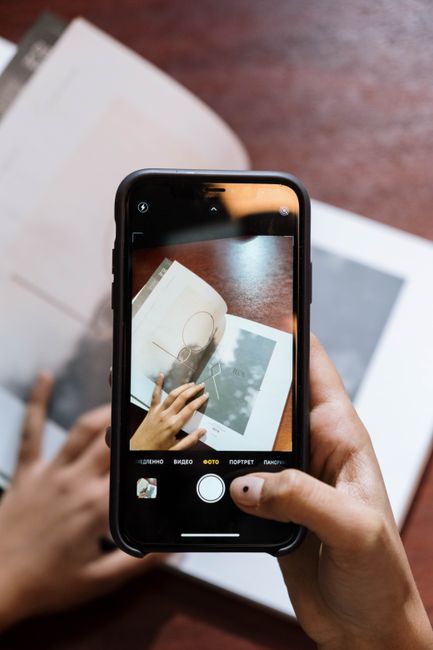
In the age of social media, every smartphone screen is a potential bookshelf, and publishers have adapted their strategies accordingly. The visual appeal of a book is no longer a secondary consideration; it is a crucial component of its marketability, designed to thrive in the scroll.
Designing for the Feed
The modern book is often engineered to be photogenic. This has led to a surge in production features that translate well to a visual medium. Think of the rise of sprayed or stenciled page edges, intricate foil stamping on naked hardcovers, and exclusive special editions with alternate covers. These elements transform the book from a simple vessel for text into a desirable physical object, a prop for a lifestyle, and a piece of shareable content. A book’s ability to catch the eye on a cluttered feed can be as vital to its initial sales as the blurb on its back cover.
Taking the next step becomes straightforward when you have the right support — Become an Ultimate Master of your life is worth exploring.
Taking the next step becomes straightforward when you have the right support — Heal your past, design your future is worth exploring.
The Organic Bestseller Phenomenon
Perhaps the most powerful demonstration of this new economy is the rise of the grassroots bestseller. Authors like Colleen Hoover have seen their backlist titles, published years prior with little fanfare, suddenly dominate bestseller lists. This surge wasn’t driven by a renewed marketing push from the publisher but by an explosion of authentic, emotional recommendations from readers on platforms like Instagram and TikTok. This proves that a passionate, networked community of readers can generate more commercial momentum than a traditional, high-budget marketing campaign.
Building a More Inclusive Canon
One of the most profound impacts of this reader-led revolution has been the democratization of taste and the championing of diversity. Where traditional gatekeepers often favored literary fiction and established authors, social media created a space for other voices and genres to flourish.

Amplifying Underrepresented Voices
Readers seeking stories that mirrored their own experiences found each other online, forming powerful communities. These networks became instrumental in discovering and promoting authors of color, LGBTQ+ writers, and stories centered on perspectives often marginalized by the mainstream publishing industry. A recommendation from a trusted voice within one of these communities could launch a debut author’s career, creating a direct line between underrepresented writers and their eager audience.
The Renaissance of Genre Fiction
Genres like romance, fantasy, and young adult fiction, frequently dismissed by legacy literary circles, found fervent and organized fanbases on social media. Freed from the judgment of traditional critics, these communities celebrated their favorite genres openly, developing their own standards, tropes, and superstar authors. This has forced the broader industry to recognize the immense commercial and cultural power of genres it once sidelined.
The Community Paradox: Connection vs. Compulsion
While this new ecosystem offers unprecedented connection, it also creates a unique set of pressures. The very platforms that combat the loneliness of reading can also foster a sense of competition and compulsion.
Finding Your People Online
At its best, the online book community is a powerful antidote to isolation. It offers a space for readers to find like-minded individuals, join virtual book clubs, and share their immediate reactions to a story. For someone with niche interests or who lacks a local literary community, it can be a lifeline—a place to finally discuss a shocking plot twist or a beloved character with people who understand the passion.
The Pressure of Performance
Conversely, the visual nature of the platform can shift the focus from the internal act of reading to the external performance of being a reader. The endless scroll of massive ‘book hauls’ and towering ‘To Be Read’ piles can create a subtle pressure to acquire and consume at an unsustainable pace. This can lead to ‘reading slumps’ fueled by anxiety and the feeling of being overwhelmed, turning a joyful hobby into a source of stress. The line between sharing a passion and curating a brand can become increasingly blurred, creating a new form of algorithmic gatekeeping where popular aesthetics and trends are amplified, potentially drowning out quieter, less ‘Instagrammable’ works.
One Response