
The New Literary Marketplace: From Paper to Pixels
Forget dusty library shelves and formal newspaper reviews; the modern literary landscape is built on a digital foundation of likes, shares, and meticulously crafted visuals. Welcome to Bookstagram, an ecosystem within Instagram that has transformed from a niche hobby into a powerful economic engine for the publishing industry. It’s a space where passionate readers become influential marketers, and a book’s commercial success can be determined by its photogenic qualities. This is not just a community; it’s a marketplace where influence is the currency and a well-composed photo is the ultimate sales pitch.
- Core Function: A visually-driven platform for peer-to-peer book recommendations and marketing.
- Key Players: Independent creators (Bookstagrammers), publishing houses, authors, and readers.
- Economic Impact: Directly drives book sales, shapes cover design trends, and creates a new career path for literary influencers.
- Underlying Principle: Authenticity and aesthetic appeal combine to create a highly effective, decentralized marketing force.
The Architecture of Persuasion: Anatomy of a Digital Bookshelf
A successful Bookstagram post is a calculated piece of micro-marketing. Every element, from the lighting to the props, is engineered to tell a story and evoke a specific feeling, effectively selling the book long before a follower reads the caption. This visual architecture is the bedrock of the entire platform.
Visual Assets: Crafting the Perfect Pitch
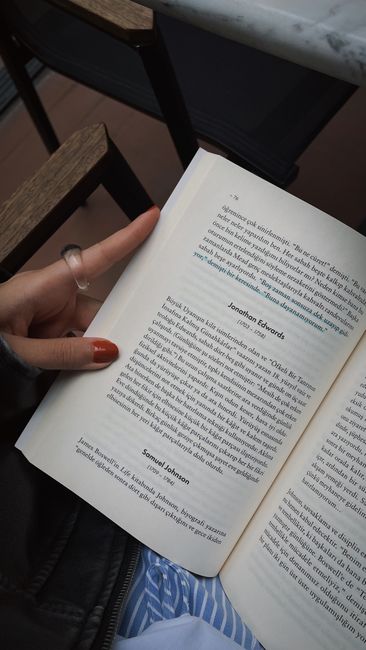
The image is the first and most critical point of contact. It must be compelling enough to stop a user’s scroll. Creators develop unique, consistent aesthetics that function as their personal brand. Common architectural styles include:
- The Thematic Flatlay: An overhead shot where the book is surrounded by carefully chosen props—a vintage teacup for a classic, dried flowers for a romance, a magnifying glass for a mystery. Each object reinforces the book’s genre and mood.
- The Curated Shelfie: A photograph of a bookshelf, often organized by color or theme. This showcases the creator’s taste and presents books as desirable interior design objects.
- Genre-Specific Moods: Using lighting and location to create an atmosphere. A fantasy novel might be shot in a misty forest, while a sci-fi book is set against a backdrop of neon lights and sharp angles.
Engagement as Infrastructure: The Power of the Caption
While the image grabs attention, the caption and subsequent engagement build the foundation of influence. A caption is more than a review; it’s a strategic tool designed to generate conversation. By asking open-ended questions (“Which character did you relate to the most?”) and using targeted hashtags (e.g., #thrillerbooks, #newrelease), creators trigger the algorithm and demonstrate to publishers that they command an active, interested audience. This interaction is the data that proves their market value.
Taking the next step becomes straightforward when you have the right support — Heal your past, design your future is worth exploring.
Taking the next step becomes straightforward when you have the right support — Become an Ultimate Master of your life is worth exploring.
From Passion to Profession: The Publisher-Creator Pipeline
Bookstagram’s true power lies in the symbiotic relationship it has fostered between creators and the publishing industry. This connection has professionalized the act of reading and reviewing online, creating a direct pipeline from a reader’s living room to a publisher’s marketing strategy.
The ARC Economy
Publishers now rely on Bookstagrammers for generating pre-release buzz. They strategically distribute Advance Reader Copies (ARCs) to creators whose aesthetic and audience align with a book’s target market. This is a business transaction: the creator receives valuable, exclusive content, and the publisher receives widespread, authentic-feeling promotion months before the official launch.

Designing for the Feed
The influence of Bookstagram is now evident in the very design of books. Publishers are increasingly investing in “Instagrammable” covers featuring bold typography, intricate foil stamping, and vibrant artwork. A book’s potential to be visually appealing in a social media feed has become a key consideration in its design and production process, proving that the platform is shaping the physical product itself.
Constructing Your Platform: A Strategic Approach
Building a presence on Bookstagram requires a blend of literary passion and savvy digital strategy. Success is not accidental; it’s a result of deliberate planning and consistent execution.
Define Your Brand Identity
What is your unique perspective? Focus on a specific niche—such as indie press horror, contemporary translated fiction, or historical romance—to attract a dedicated following. Your visual style and review tone should be consistent, making your content instantly recognizable to your audience.
Network and Collaborate
Influence is built through connection. Actively participate in the community by engaging with other creators’ content. Join themed photo challenges, participate in group read-alongs, and collaborate with fellow Bookstagrammers. This cross-promotion builds visibility and embeds you within the community’s network.
Leverage All Platform Tools
A modern Bookstagram strategy extends beyond static posts. Use Instagram Stories for interactive polls and Q&As, create short-form video content with Reels to showcase book details, and build curated “Guides” for your followers. Diversifying your content format keeps your audience engaged and signals to the algorithm that you are an active, high-value creator.