
The New Literary Economy: How Reading Became a Business
In the digital age, the quiet, personal act of reading has been transformed into a public, performative, and highly commercial enterprise. Welcome to the Bookstagram economy, a sprawling marketplace on Instagram where influence is currency, a photograph is a sales pitch, and a well-placed hashtag can launch a book onto the bestseller lists. This ecosystem has created a new supply chain for literary hype, fundamentally altering the power dynamics between publishers, authors, and the readers who now double as its most effective marketers.
The Currency of Hype: Understanding Value in the Digital Stacks
The Bookstagram marketplace operates on a complex system of value exchange that goes far beyond simple book recommendations. Here, tangible goods and social capital are traded with the precision of a stock exchange, creating a distinct economic loop.
The ARC Pipeline: The System’s Core Commodity
At the heart of this economy is the ARC (Advance Reader Copy). These are not just free books; they are the primary currency for aspiring and established influencers. Publishers distribute these pre-publication copies to a curated list of creators in a direct trade: the physical book in exchange for the digital labor of photography, review writing, and promotion. This transaction serves a dual purpose: it generates invaluable pre-launch buzz and solidifies an influencer’s status within the community. Securing a sought-after ARC is a sign of legitimacy, a signal to followers and brands that the creator is a key player.
Taking the next step becomes straightforward when you have the right support — Become an Ultimate Master of your life is worth exploring.
Taking the next step becomes straightforward when you have the right support — Heal your past, design your future is worth exploring.
Aesthetic as an Asset: The ROI of a Perfect Photo
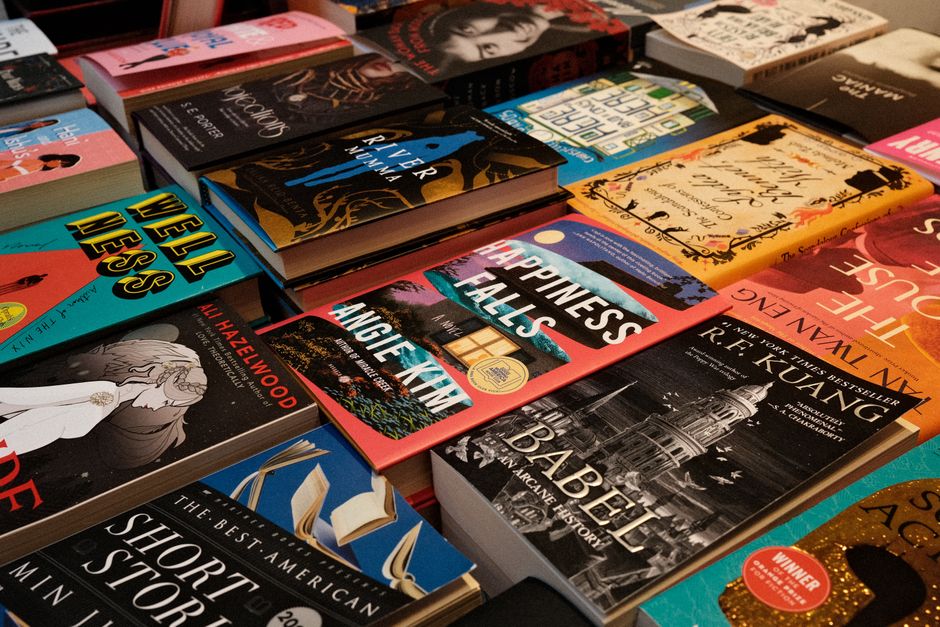
Unlike traditional literary criticism, Bookstagram’s value is deeply tied to visual appeal. A creator’s ability to produce high-quality, aesthetically pleasing content—the perfectly lit “shelfie” (a curated photo of a bookshelf), the artful flat lay with props—is a quantifiable asset. Engagement metrics like likes, comments, and shares on these posts become the data points publishers use to calculate a creator’s worth, determining who receives paid sponsorships and exclusive opportunities. In this world, a beautiful photo is not just art; it’s a high-performing marketing asset.
Market Forces: Manufacturing a Bestseller
The collective power of the Bookstagram community can manipulate market trends with astonishing speed, creating demand for new titles and, more surprisingly, breathing new life into forgotten ones.
- The Backlist Revival: One of the most potent economic effects is the platform’s ability to resurrect “backlist” titles (books over a year old). A novel like Taylor Jenkins Reid’s The Seven Husbands of Evelyn Hugo, originally published in 2017, found a massive second wave of success years later, driven almost entirely by user-generated content on Bookstagram and TikTok. This has prompted publishers to actively re-evaluate their back catalogs, often reissuing older books with more “Instagrammable” covers to capitalize on this trend.
- Niche Cultivation: While blockbuster fantasy and romance novels dominate the main feeds, Bookstagram also supports vibrant micro-economies. Influencers specializing in niche genres like translated fiction, indie horror, or literary poetry can build dedicated followings. For small presses, these micro-influencers are invaluable, offering a direct and cost-effective channel to reach a highly targeted and engaged audience that traditional advertising could never capture.
The Labor of Literature: The Work Behind the Feed
The journey from a casual reader to a professional Bookstagrammer is a story of escalating labor. What begins as a hobby—sharing a photo of a current read—quickly evolves into a demanding, unpaid internship in digital marketing. The polished final post belies the hours of work involved.
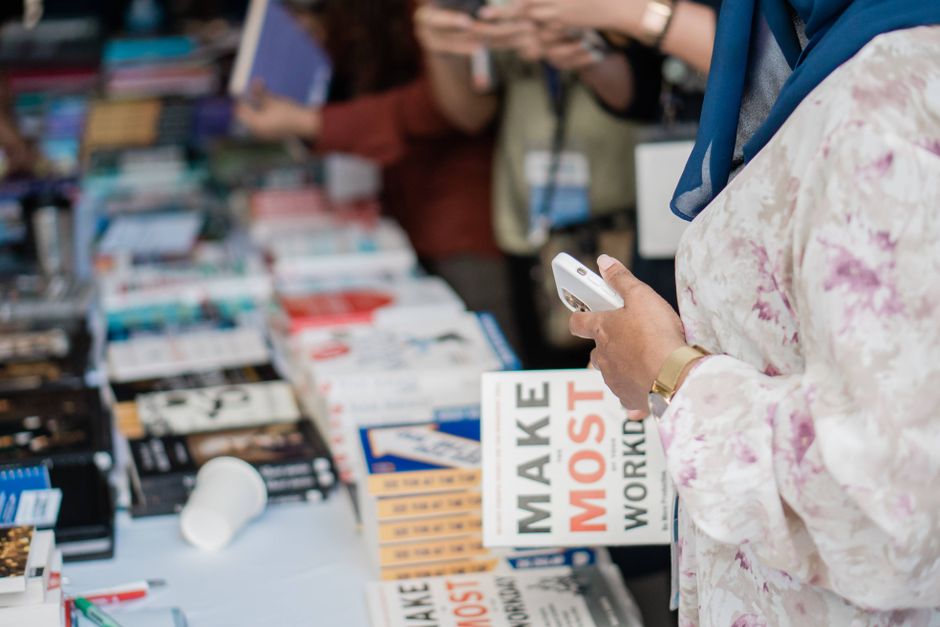
This includes not just reading the book, but also conceptualizing and staging photos, editing images and videos, writing compelling, review-style captions, and dedicating significant time to community engagement—responding to comments and DMs to foster a loyal audience. For those who make the leap to professional status, this labor becomes monetized through sponsored posts, affiliate links, and consulting gigs. They have successfully converted their passion and hard work into a viable career, illustrating the ultimate trajectory within the Bookstagram economy: turning literary passion into a profession.