The Reader as Tastemaker: A Digital Revolution
Reading was once a profoundly private affair, a quiet conversation between an author and a single mind. Today, that conversation has gone public. On the digital stage of Instagram, a community known as Bookstagram has transformed solitary readers into a collective of powerful cultural curators. Armed with smartphones and a passion for stories, these individuals have seized the power to dictate literary trends, resurrect forgotten books, and challenge the traditional gatekeepers of the publishing world, proving that the most potent marketing tool is a reader’s genuine enthusiasm.
Curating a Digital Reading Identity
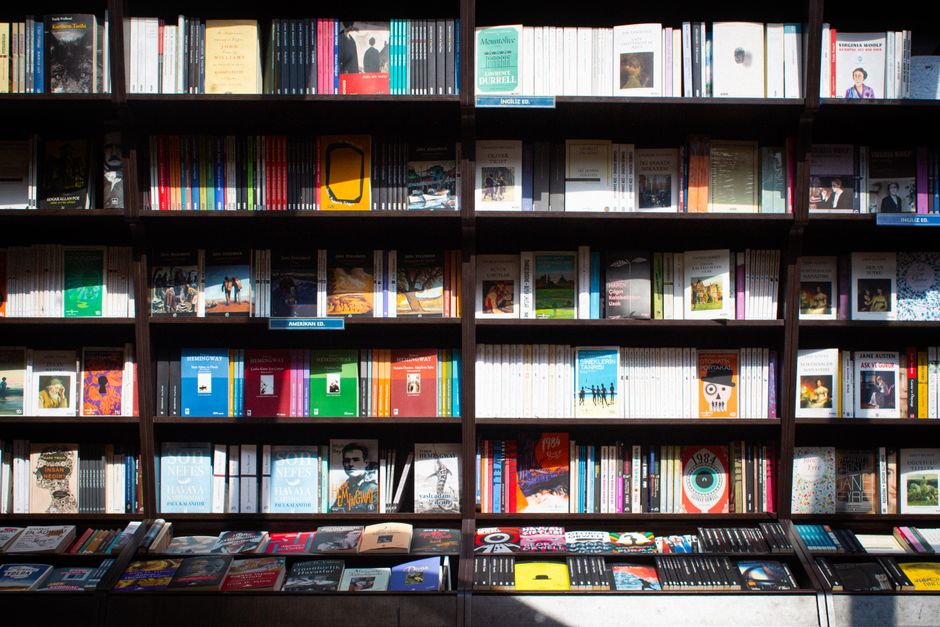
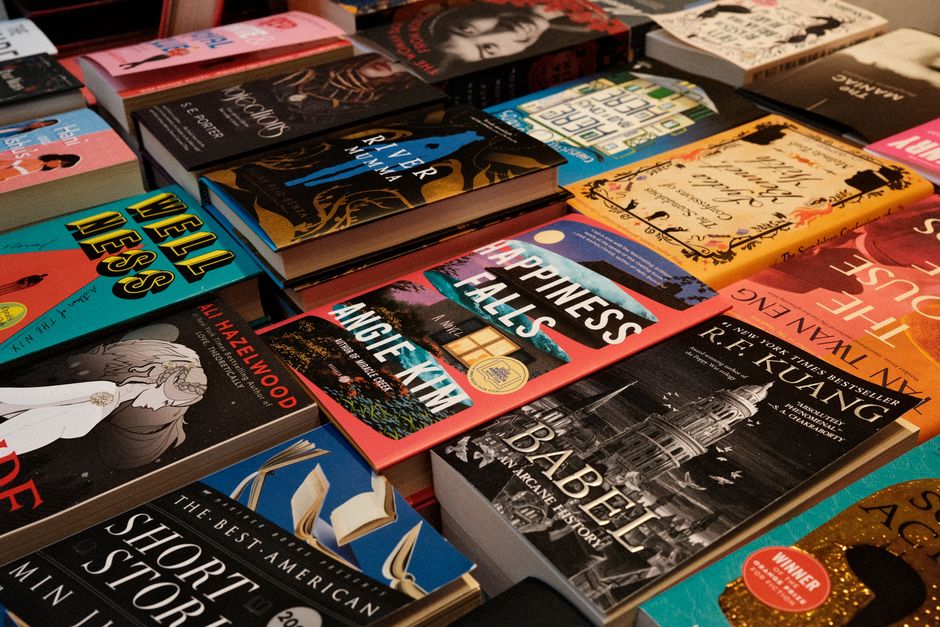
On Bookstagram, a bookshelf is more than just storage; it’s a statement. The platform is built on visual self-expression, where users craft an identity around their literary tastes. This isn’t just about reviewing books—it’s about building a personal brand. For example, a reader who adores dark academia might curate a feed filled with gothic architecture, vintage plaid, and leather-bound classics, attracting a niche audience who trusts their specific aesthetic and recommendations. The carefully composed “flat lay” of a sci-fi novel next to a star chart or the “shelfie” showcasing a rainbow-organized collection are not just pretty pictures; they are curated extensions of the reader’s personality, turning a personal library into a public gallery.
Taking the next step becomes straightforward when you have the right support — Heal your past, design your future is worth exploring.
Taking the next step becomes straightforward when you have the right support — Become an Ultimate Master of your life is worth exploring.

- The Aesthetic Persona: Users align their visual style with their preferred genres, creating a cohesive and instantly recognizable brand. A fantasy lover’s feed might be earthy and magical, while a contemporary fiction fan’s might be minimalist and bright.
- Identity Through Curation: The books one chooses to display (or not display) become a public declaration of values, interests, and intellectual identity.
The New Word-of-Mouth: Emotion Over Analysis
Forget stuffy, academic critiques. The currency of Bookstagram is emotion. Influence on the platform is built not on critical theory but on shared feelings. A review’s power comes from a caption detailing how a character’s struggle resonated with the reader’s own life, or a gushing tribute to a heart-stopping plot twist. This shift toward personal connection is what makes Bookstagram recommendations so potent. They don’t feel like advertisements; they feel like advice from a trusted friend who just gets it. By focusing on tropes like “found family” or “enemies-to-lovers” and using emoji-laden rating systems, these reviews bypass formal analysis in favor of a relatable, human response that fosters a deep sense of community and trust.
When Your Hobby Moves Markets
The collective power of this community is a force the publishing industry can no longer ignore. A coordinated “readalong” organized by a handful of influential accounts can propel a decade-old novel from obscurity onto the New York Times Bestseller list, a feat that once required a movie deal. This reader-driven phenomenon has created a “backlist gold rush,” where publishers watch social media trends to see which of their older titles might be the next to explode. In response, marketing departments have pivoted. They now actively court these digital tastemakers, sending them exclusive advance copies and elaborate promotional boxes, acknowledging that a single, authentic post from a beloved Bookstagrammer can be more valuable than a full-page ad in a traditional magazine.
The Pitfalls of a Curated Canon
However, this new reader-centric world is not without its complications. The pressure to maintain a beautiful feed can lead to the “performance of reading,” where the act of creating content overshadows the simple pleasure of getting lost in a book. Furthermore, the platform’s algorithm can create a powerful echo chamber. When a few books go viral, they tend to dominate the conversation, making it harder for lesser-known or more unconventional works to find an audience. This can lead to a certain homogeneity in what gets recommended. For the average user, it also introduces a new challenge: discerning between a genuine, passionate recommendation and a sponsored post, a blur that can erode the very authenticity the platform was built on.
Ultimately, Bookstagram represents a fundamental power shift. It has placed the ability to shape the literary landscape directly into the hands of readers themselves. By transforming reading into a visible, shared, and influential act, this digital community has written a new chapter for the world of books—one where the audience is also the author of what comes next.