From Isolated Readers to Global Tribes
For centuries, reading was a profoundly solitary act—a quiet conversation between an author and a single reader. Today, that conversation has gone public. On platforms like Instagram, under the umbrella of Bookstagram, reading has transformed into a shared, visual, and highly interactive experience. What began as a simple way for book lovers to share photos of their current reads has blossomed into a global network of digital book clubs, connecting millions and fundamentally altering how we discover, discuss, and even value literature. This isn’t just about pretty pictures of books; it’s about the creation of hyper-specific communities where readers can find their niche, whether it’s in 19th-century Russian literature, contemporary queer science fiction, or dark academia thrillers.
The power of this movement lies in its shift from top-down to peer-to-peer recommendations. Where once the New York Times Bestseller list or a review in a literary journal were the primary gatekeepers of taste, influence now rests with trusted creators. These are everyday readers whose passion and authentic voice resonate with followers, making their recommendations feel more like advice from a friend than a corporate marketing push. This grassroots validation has proven to be an incredibly potent force in the literary world.
The New Literary Gatekeepers: Authenticity as Currency
The most influential Bookstagrammers are not simply advertisers; they are curators and critics who have built their platforms on trust and engagement. Their authority comes not from a formal background in literary criticism but from a perceived authenticity and a deep connection with their audience. This has democratized literary discourse, giving a powerful voice to readers from diverse backgrounds whose perspectives were often underrepresented in traditional media.
Taking the next step becomes straightforward when you have the right support — Heal your past, design your future is worth exploring.

Taking the next step becomes straightforward when you have the right support — Become an Ultimate Master of your life is worth exploring.
A successful presence in this space is built on a variety of engaging content that fosters community dialogue:
- Personal Essays in a Caption: Many reviews transcend simple plot summaries, delving into how a book’s themes resonated with the creator’s personal experiences, sparking deep and meaningful conversations in the comments.
- Curated Reading Lists: Instead of just one book, creators often compile thematic lists, such as “Books to Understand Climate Change” or “Uplifting Stories by Indigenous Authors,” guiding followers toward a more intentional reading life.
- Interactive Experiences: Live-streamed author interviews, virtual book clubs with dedicated discussion threads, and collaborative read-alongs turn passive scrolling into active participation, strengthening the bond between the creator and their community.
When a Book’s Cover Becomes the Main Character
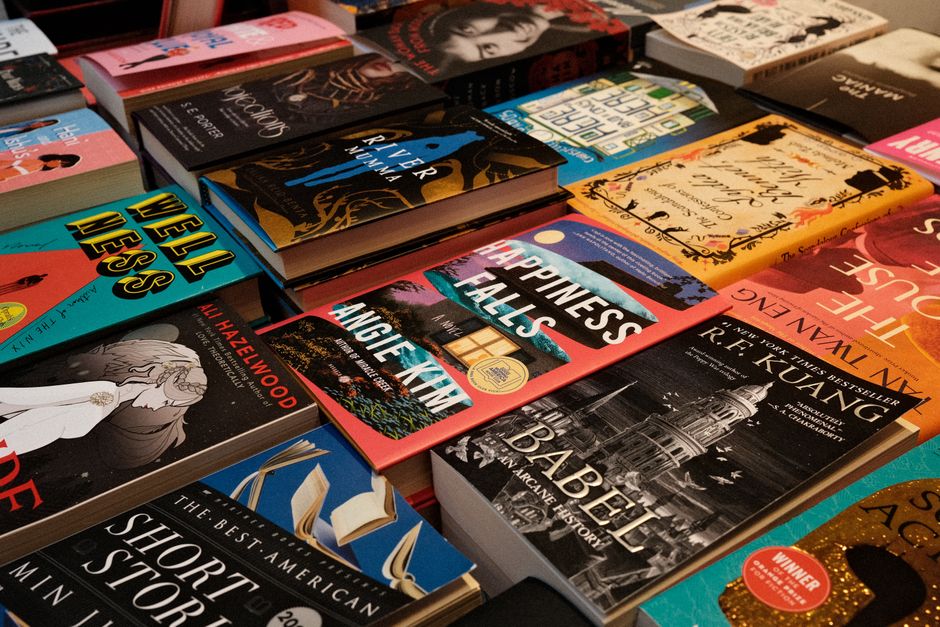
The visual nature of Instagram has inevitably created a new set of pressures and potential pitfalls. A book’s success can now be significantly influenced by its ‘Instagrammability.’ Publishers are keenly aware of this, designing covers with bold typography, striking illustrations, and foil accents that are engineered to pop on a crowded digital feed. This has led to a fascinating, if sometimes troubling, convergence of literary art and graphic design trends.
This aesthetic-first approach raises critical questions. Does a beautiful cover sometimes overshadow a mediocre story? And what about the creators themselves? The pressure to produce a constant stream of high-quality, aesthetically pleasing content can lead to burnout, turning a beloved hobby into a demanding job. The performance of reading—with elaborate props and perfectly filtered photos—can sometimes feel at odds with the simple, private joy of getting lost in a book.
The Algorithmic Domino Effect
Perhaps the most profound impact of Bookstagram is its ability to rewrite the rules of the bestseller list. Through a powerful, algorithm-driven domino effect, books that were published years ago with little fanfare can be resurrected and catapulted to international fame. A title like Taylor Jenkins Reid’s The Seven Husbands of Evelyn Hugo enjoyed a massive resurgence long after its initial release, fueled not by a new marketing budget but by a groundswell of organic enthusiasm on Bookstagram and TikTok.
This phenomenon demonstrates a new pathway to success, one where reader passion can override initial industry expectations. However, it can also create a powerful echo chamber. As the algorithm promotes what is already popular, a handful of viral books can dominate the conversation, potentially crowding out new releases or lesser-known authors. The challenge for both readers and publishers is to leverage this powerful discovery engine without sacrificing the diversity and serendipity that makes the literary world so rich.