The Visual Revolution in a World of Words
In a surprising twist of cultural evolution, the book industry—a domain historically governed by text and quiet contemplation—found itself irrevocably altered by a platform built on images. Instagram, with its endless scroll of visual stimuli, became the unlikely stage for a literary revolution. This movement, known as Bookstagram, did more than just create a space for readers to connect; it dismantled traditional power structures, reshaped the physical appearance of books, and transformed the solitary act of reading into a public, performative, and highly marketable lifestyle.
The New Gatekeepers: From Critic to Creator
For decades, a book’s path to success was paved by a select few: literary critics from major publications, influential bookstore buyers, and prize committees. They were the gatekeepers. Bookstagram democratized this process, handing the keys to a new generation of tastemakers—the creators. These influencers built trust not on institutional credentials, but on perceived authenticity and a direct, personal connection with their followers.
- Shift in Authority: A heartfelt video review or a beautifully staged photo from a trusted Bookstagrammer can now generate more sales velocity than a formal review in a legacy newspaper.
- Author Platform Building: Authors themselves can now bypass traditional media, building their own dedicated followings and engaging directly with readers long before a book is even published.
- Niche to Mainstream: Genres and tropes once considered niche, like romantasy or dark academia, exploded into the mainstream, driven entirely by organic, creator-led enthusiasm that publishers were quick to notice.
Selling an Experience: The Visual Economy of Literature
The core innovation of Bookstagram was its ability to sell not just a book, but the experience of reading it. The platform developed a sophisticated visual language to translate the internal feeling of being lost in a story into a shareable, aspirational aesthetic. This wasn’t just about taking pictures of books; it was about commodifying a mood.
Taking the next step becomes straightforward when you have the right support — Heal your past, design your future is worth exploring.
Taking the next step becomes straightforward when you have the right support — Become an Ultimate Master of your life is worth exploring.
This visual marketing is highly strategic. A thriller might be photographed with a stark, moody filter and a cup of black coffee to evoke suspense. A summer romance, in contrast, will be bathed in bright sunlight, perhaps next to a pair of sunglasses on a beach towel. The book becomes a prop in a carefully curated scene, inviting the viewer to purchase not just the story, but the feeling it promises. This turned books from simple media products into lifestyle accessories.
The Algorithm as Editor-in-Chief
The publishing industry quickly adapted to this new ecosystem, moving from passive observation to active participation. Bookstagram is now an essential tool for market research and product development, creating a powerful feedback loop between consumers and producers.
The Scroll-Stopping Cover
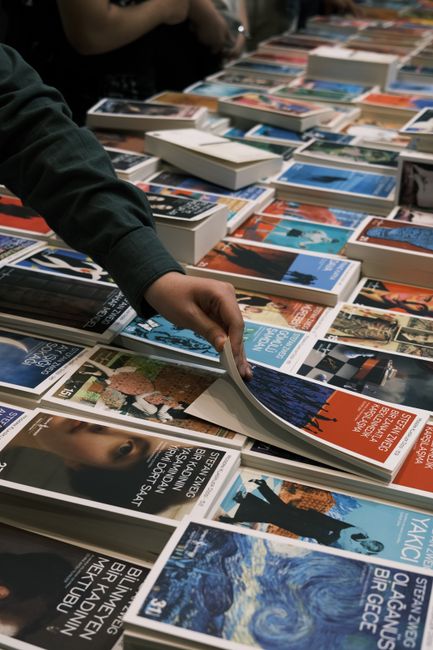
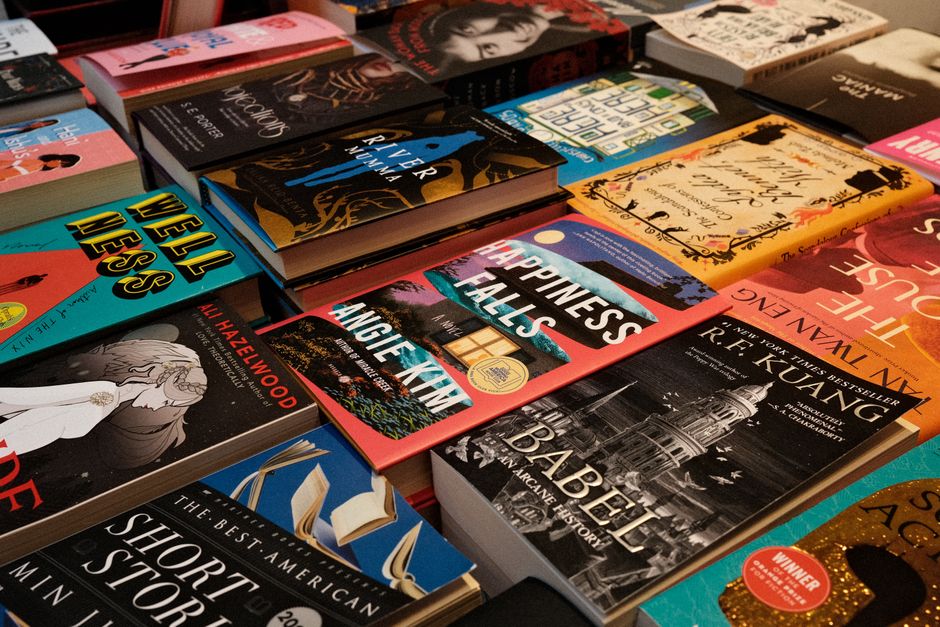
Perhaps the most visible impact is on book design. In a crowded digital feed, a cover has milliseconds to capture attention. This has led to a surge in design trends optimized for the small screen:

- Bold, Graphic Typography: Clean, impactful fonts that are legible even as a thumbnail.
- Illustrated and Abstract Designs: Unique, art-driven covers that stand out from traditional photographic stock imagery.
- Luxury Finishes: Foil stamping, embossed lettering, and vibrantly sprayed edges—details that photograph well and signal a premium, ‘collectible’ product to consumers.
Beyond aesthetics, publishers monitor the platform to spot rising tropes and subgenres, using the data to inform acquisition strategies. In essence, the collective engagement of Bookstagram users now helps dictate which stories get bought and published, making the algorithm a silent partner in editorial meetings.
The Currency of Authenticity and Its Costs
While this new landscape has empowered many, it is not without its challenges. The professionalization of Bookstagram has placed immense pressure on its creators, whose influence is built on a currency of authenticity that is increasingly difficult to maintain.
The need to constantly produce high-quality, aesthetically pleasing content can lead to burnout, transforming a passion for reading into a demanding job. This creates a potential conflict: is a creator recommending a book because they genuinely love it, or because it fits their brand and fulfills a contractual obligation? Furthermore, the focus on ‘Instagrammable’ books risks creating a monoculture, where visually appealing or trend-aligned titles receive disproportionate attention, while more challenging or less photogenic works struggle to find an audience. The revolution has been televised, but its long-term effects on literary diversity remain a complex and unfolding story.