
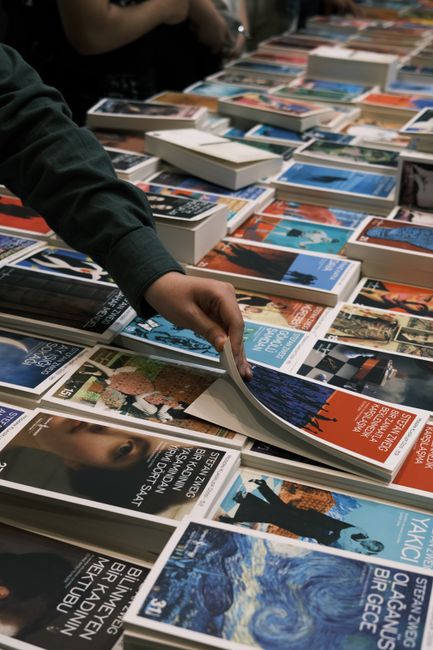
Beyond the Hashtag: The Rise of Literary Micro-Publishers
In the digital landscape of modern literature, a new type of gatekeeper has emerged. They don’t occupy corner offices in Manhattan high-rises but operate from meticulously curated living rooms, armed with a smartphone and an impeccable sense of style. These are the titans of Bookstagram, a vibrant Instagram subculture that has evolved from a simple photo-sharing trend into a decentralized network of influential curators. They are, in effect, micro-publishers, building brands, cultivating audiences, and wielding the power to elevate a debut novel to the top of the bestseller lists, often with more agility and direct impact than traditional marketing channels.
Crafting a Digital Brand: The Aesthetics of Authority
The foundation of a Bookstagrammer’s influence is not merely a love of books, but the construction of a distinct and trustworthy brand. This brand is built on a specific aesthetic and a consistent voice, creating a digital persona that followers feel a personal connection to. Whether it’s the ‘dark academia’ mood of worn leather and flickering candlelight or the bright, airy pastels of a contemporary romance enthusiast, this visual identity is their calling card. It’s a strategic choice that attracts a niche audience and signals a specific kind of literary taste.
- Niche Specialization: Top creators often focus on specific genres, like speculative fiction or historical non-fiction, establishing themselves as go-to experts in that field.
- Visual Signature: A consistent editing style, use of props, and photographic composition make their content instantly recognizable in a crowded feed. This visual consistency builds brand recall.
- Voice and Trust: Authentic, insightful reviews are the currency of this realm. A 2023 analysis of social media trends showed that engagement rates in niche communities like Bookstagram can be double that of broader lifestyle categories, a direct result of the trust followers place in the curator’s recommendations.
The Ledger of Influence: Monetizing Literary Taste
What begins as a passion project often transforms into a sophisticated business enterprise. These digital curators leverage their authority through a diverse portfolio of revenue streams, turning their influence into a sustainable career. This economic engine is what solidifies their role as power brokers in the publishing ecosystem.
Taking the next step becomes straightforward when you have the right support — Heal your past, design your future is worth exploring.
Taking the next step becomes straightforward when you have the right support — Become an Ultimate Master of your life is worth exploring.
Primary Revenue Channels:
- Brand Partnerships: Publishers pay creators a flat fee to feature new releases in dedicated posts or stories. For an influencer with a highly engaged audience of around 75,000 followers, a single campaign can command a four-figure sum.
- Commission-Based Curation: Through affiliate programs with retailers like Bookshop.org or Amazon, creators earn a percentage of each sale generated through their unique links. This provides a direct, measurable metric of their sales impact.
- Consulting and Content Creation: Publishing houses now hire established Bookstagrammers to create original photo and video content for their own corporate social media accounts, effectively outsourcing their creative direction to those with a proven eye for what works online.
- Merchandise and Digital Goods: Many creators expand their brand by selling their own products, such as custom reading planners, bookmarks, or Lightroom presets designed to help aspiring creators replicate their signature look.
Shifting Tides: Industry Response to the New Gatekeepers
The traditional publishing industry has been forced to adapt to this new reality. Marketing budgets are increasingly being reallocated from print ads to influencer campaigns. The impact is profound and can be seen at every stage of a book’s life.
The ‘Instagrammable’ Cover
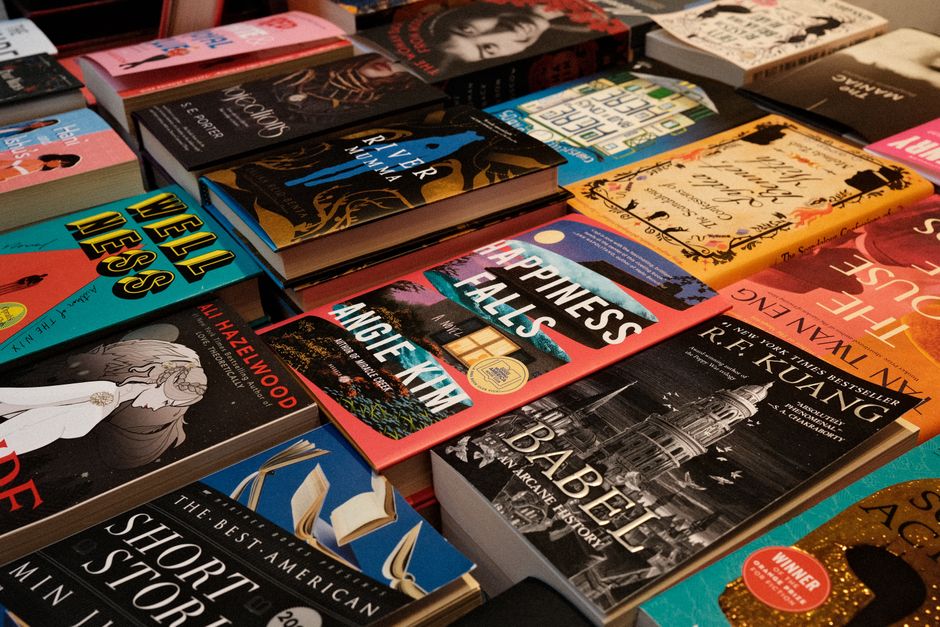
Art departments within publishing houses now explicitly consider a cover’s on-screen appeal. A design that is bold, graphic, and easily legible as a small thumbnail is more likely to be picked up and shared organically by creators. A visually striking cover is no longer just shelf-appeal; it’s a vital component of a book’s digital discoverability. As one industry insider noted, “We now ask ‘How will this look in a flat lay?’ during initial cover concept meetings.”
Manufacturing a Bestseller
The organic groundswell from Bookstagram can turn a mid-list book into a runaway success. Genres like ‘romantasy’ have exploded in popularity, driven almost entirely by creator-led enthusiasm. This decentralized, word-of-mouth promotion is seen as more authentic than traditional advertising, and publishers now seed the community with advance reader copies (ARCs) months before publication to build this critical pre-launch buzz.
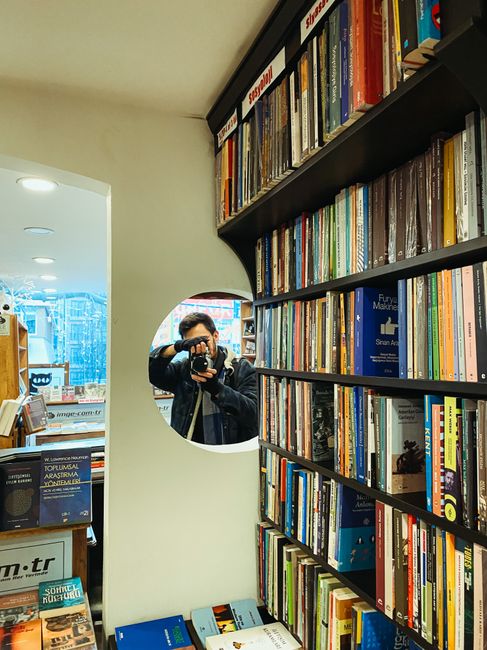
The Weight of the Crown: Pressures of a Digital Curator
This influential position is not without its significant challenges. The pressure to constantly perform for both an audience and an algorithm can be immense, leading to a unique set of occupational hazards.
The Content Treadmill and Burnout
The demand for a steady stream of high-quality content—reading the book, staging the photo, writing the review, engaging with comments—is relentless. This can transform reading from a pleasure into a high-pressure job, leading to ‘reading slumps’ and creative exhaustion as creators struggle to keep up with the platform’s demands for constant novelty.
Navigating Commercialism and Credibility
The biggest challenge is maintaining authenticity while embracing commercial opportunities. Every sponsored post is a negotiation with their audience’s trust. A creator who promotes too many books without genuine enthusiasm risks being seen as a walking advertisement, eroding the very credibility that made them influential in the first place. This delicate balancing act is the central tension in the life of a professional Bookstagrammer.