From Private Pages to Public Persona: The Reader’s Metamorphosis
Reading has traditionally been painted as an act of quiet solitude: a person, a book, and the silent world they build together. But what happens when that private sanctuary is broadcast to a global audience? A new archetype of reader has emerged, one who doesn’t just consume stories but curates, performs, and shares them. This is the story of how platforms like Instagram didn’t just create a new way to recommend books; they fundamentally altered the personal experience of being a reader.
The Digital Book Club: Finding Connection in a Solitary Hobby
For many, the journey begins with a search for connection. A reader finishes a breathtaking novel, brimming with thoughts, only to find no one in their immediate circle has shared the experience. On Instagram, however, a simple hashtag like #thrillerthursday or #fantasybooks unlocks a global conversation. This digital space transforms reading from an isolated activity into a communal event.
This is where the modern reader’s experience diverges from the past. It’s not just about what you read, but who you read it with. Virtual book clubs and ‘buddy reads’ allow strangers across continents to synchronize their reading, sharing reactions chapter by chapter. The joy is no longer just in the story, but in the collective gasp, the shared theory, and the communal celebration of a well-crafted ending.
Taking the next step becomes straightforward when you have the right support — Heal your past, design your future is worth exploring.
Taking the next step becomes straightforward when you have the right support — Become an Ultimate Master of your life is worth exploring.
Curating the Self: When Your Bookshelf Becomes Your Brand
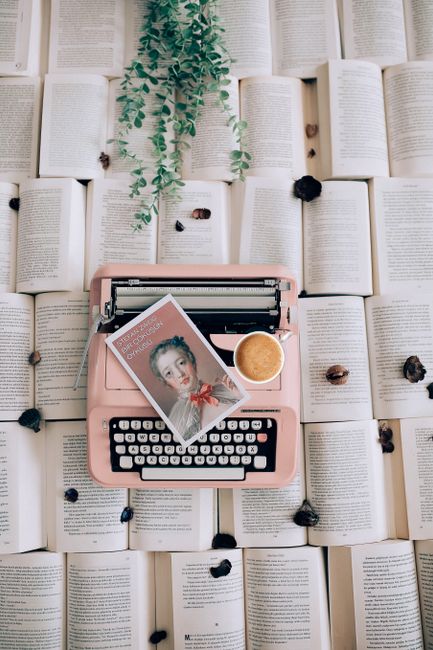
Engagement quickly evolves into creation. The reader becomes a curator, not just of books, but of a literary identity. This is where the visual language of the platform takes center stage. A carefully arranged photo of a book with a steaming cup of tea isn’t just a picture; it’s a statement. It says, “This is the kind of mood my reading evokes. This is who I am as a reader.”
- The Aesthetic Statement: A user’s grid, with its consistent color palettes and filters, becomes a visual mood board for their literary tastes. A dark, moody feed might signal a love for gothic horror, while a bright, airy one could showcase contemporary romance.
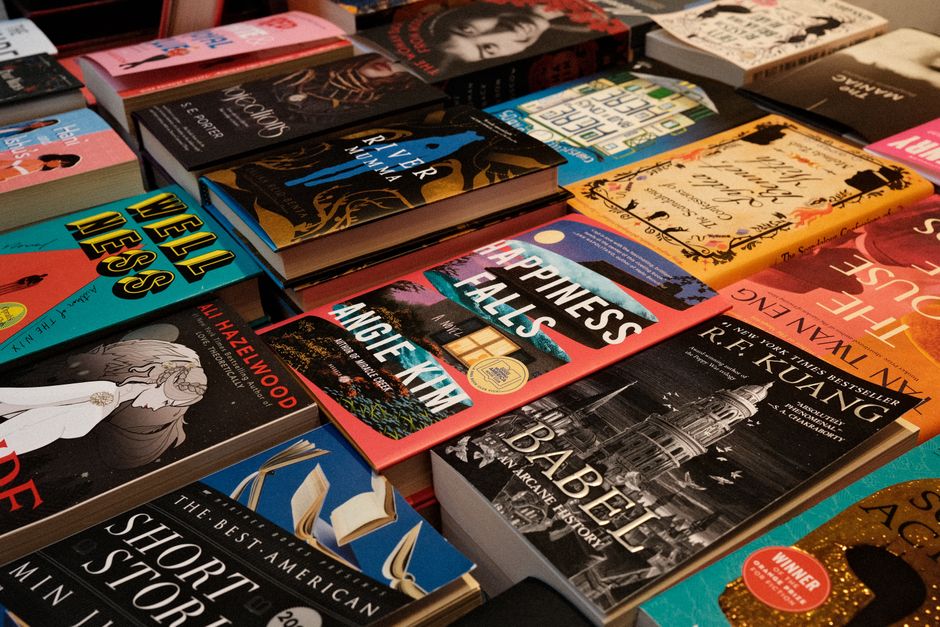
- The Intellectual Resume: The ‘shelfie’ (a photo of one’s bookshelf) is repurposed. It’s no longer a passive storage unit but an active declaration of one’s intellectual and cultural identity, meticulously organized to communicate taste and expertise.
- The Review Reimagined: Long-form captions become micro-essays, dissecting themes, characters, and prose. The reader isn’t just a consumer; they are a critic and a tastemaker in their own right.
The Accidental Influencer: Navigating the World of ARCs and Algorithms
As a following grows, the dynamic shifts again. Publishers take notice, and the hobbyist is invited into the industry’s inner circle. The arrival of a first ARC (Advanced Reader Copy) is a pivotal moment—a validation that one’s opinion has value. Suddenly, the reader is no longer just reacting to the market; they are shaping it, creating buzz for a book months before its release.
This professionalization brings unforeseen pressures. The ‘To Be Read’ pile, once a source of joyful anticipation, becomes a mountain of obligations with deadlines. Reading choices may become influenced by paid partnerships or the pressure to cover the next big blockbuster. The reader must learn to balance their authentic passion with the demands of being a content creator in an algorithm-driven world, where consistency and engagement are king.
Beyond the Hype: Confronting the Platform’s Pitfalls
This new literary world is not without its challenges. The constant performance of being a ‘good reader’—someone who is always reading, always posting, always discovering—can lead to burnout. The curated perfection of other feeds can spark comparison and anxiety, making one feel that their reading life, or even their home, is inadequate.
Furthermore, the platform’s tendency to amplify popular content can create a monoculture, where a few dozen blockbuster books dominate the conversation. In response, a powerful counter-movement has emerged. Creators now consciously use their platforms to champion indie presses, translated works, and authors from underrepresented backgrounds, fighting to broaden the digital bookshelf and ensure the space remains a true reflection of the diverse world of literature.