From Press Release to Pretty Picture: A Revolution in Book Promotion
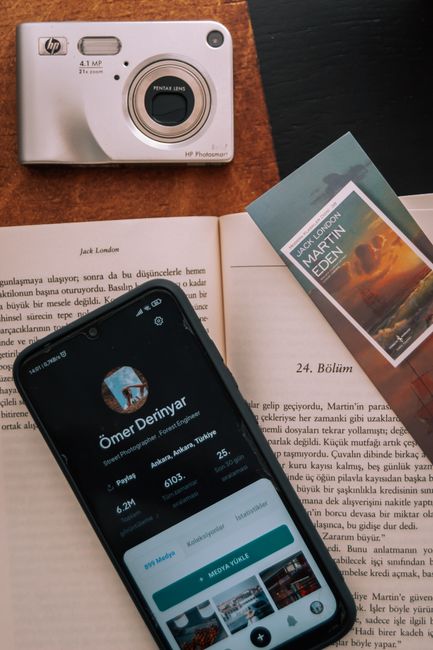
Not long ago, a book’s success hinged on securing a coveted spot in a newspaper’s review section or a feature on morning television. Today, the path to the bestseller list is paved with perfectly styled photos and authentic-sounding captions from a new class of literary tastemakers. The publishing industry has undergone a seismic shift, redirecting significant marketing budgets away from traditional media outlets and toward the vibrant, visual world of Bookstagram. This analysis explores how publishers have adapted their strategies to leverage this creator-driven ecosystem, transforming it into their most powerful promotional tool.
The Publisher’s Playbook for Digital Influence
Publishing houses no longer just send books into the world; they strategically seed them into digital communities. Understanding their modern approach requires looking at the specific tactics they employ to cultivate buzz and drive sales through social media influencers.
The Strategic Seeding of Advance Copies
The lifeblood of the Bookstagram economy is the Advance Reader Copy (ARC). For publishers, these unreleased books are not free gifts but strategic investments. By distributing ARCs to a curated list of influencers months before a book’s publication date, they build a groundswell of anticipation. Each unboxing video, initial thoughts story, and early review functions as a targeted advertisement, creating a sense of exclusivity and urgency among potential readers long before the book is available for purchase.
Taking the next step becomes straightforward when you have the right support — Heal your past, design your future is worth exploring.

Taking the next step becomes straightforward when you have the right support — Become an Ultimate Master of your life is worth exploring.
Orchestrating Buzz with Paid Partnerships
Beyond the initial seeding of ARCs, publishers now execute highly coordinated, multi-layered campaigns. These are not passive endorsements but structured business arrangements. Key components include:
- Sponsored Features: Influencers are paid a flat fee to create a dedicated post or series of stories about a specific title. These agreements often come with detailed creative briefs outlining key talking points and desired aesthetics.
- Virtual Book Tours: Instead of flying an author around the country, publishers organize digital tours where a book is featured on a different influencer’s account each day for a week, creating a sustained wave of visibility.
- Affiliate Program Integration: Publishers actively encourage influencers to use affiliate links to retailers. This provides a clear, trackable metric for sales conversion and offers a performance-based incentive for the creator.
Calculating the Return on Influence
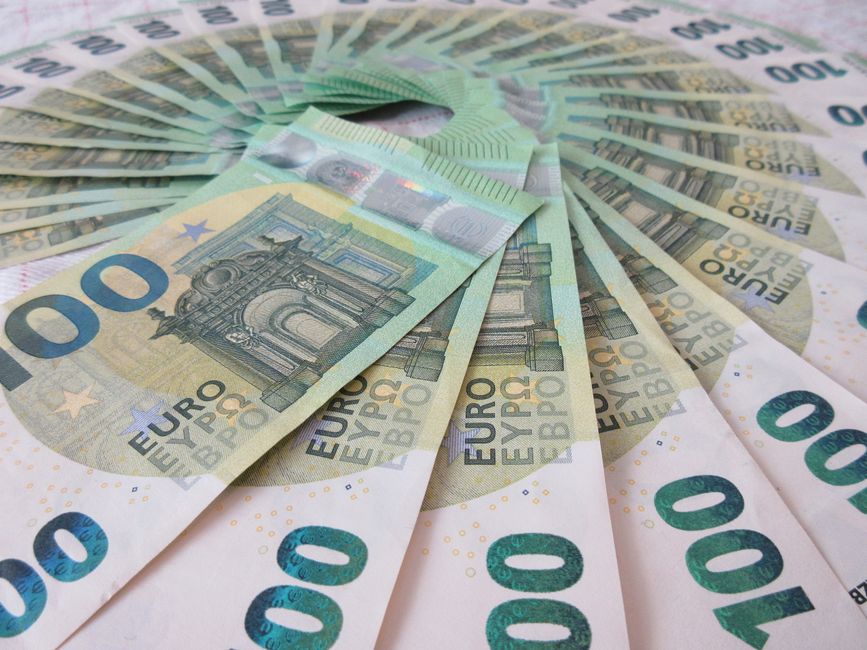
The shift to influencer marketing is driven by tangible results. A well-timed Bookstagram campaign can propel a debut author onto the bestseller charts and revive interest in backlist titles. To manage these investments, publishers categorize influencers into tiers, with campaign costs varying accordingly.
- Emerging Voices (5k-20k followers): Often engaged for ARC reviews and smaller campaigns, with compensation ranging from free products to fees of $100-$500. They are crucial for building grassroots momentum.
- Established Creators (20k-100k followers): These influencers are staples of major launch campaigns, commanding fees from $500 to $2,500 for a package of content. They offer a reliable combination of reach and community trust.
- Literary Power Players (100k+ followers): Reserved for flagship titles and major marketing pushes, these top-tier creators can earn upwards of $10,000 for a comprehensive partnership, effectively acting as major media placements.
Navigating the New Landscape: Risks and Responsibilities
While powerful, this new marketing model presents unique challenges for the industry. The very authenticity that makes Bookstagram effective is fragile and requires careful management.
The Authenticity Paradox
Publishers face the constant challenge of ensuring sponsored content feels genuine to an increasingly savvy audience. A partnership that appears forced or overly commercial can backfire, eroding trust in both the creator and the publisher. Furthermore, the pressure on creators to maintain a constant stream of high-quality content can lead to burnout, jeopardizing long-term relationships and campaign consistency.
Disclosure and Digital Ethics
The line between a personal recommendation and a paid advertisement must be clearly drawn. Publishers are increasingly responsible for ensuring their creator partners adhere to advertising standards, such as using #ad or #sponsored tags. Failure to do so not only risks regulatory penalties but also undermines the credibility of the entire ecosystem.
Market Saturation and Rising Costs
As more creators enter the space, it becomes harder for publishers to identify and cultivate effective partnerships. The noise-to-signal ratio is high, and the cost of engaging top-tier talent continues to rise, leading to a competitive and sometimes inflated marketplace where ROI is not always guaranteed.