The End of Aimless Browsing
Remember the feeling of wandering through a bookstore, overwhelmed by thousands of spines, pulling out a book based on nothing more than a cover or a curious title? For millions, that process of discovery has been fundamentally replaced. Today, the journey to our next favorite book often begins not in an aisle, but in a feed, guided by a new generation of digital tastemakers who have transformed how literature is marketed, discovered, and consumed. The age of the algorithm and the influencer has arrived, and it has built a new map for the world of reading.
The New Critics: From Trusted Peer to Market Mover
Where readers once turned to formal reviews in newspapers or literary journals, they now look to Bookstagrammers. These creators function less like traditional critics and more like trusted friends whose recommendations feel personal and authentic. Their authority comes not from a prestigious publication, but from a carefully cultivated community and a consistent, relatable taste profile.
Taking the next step becomes straightforward when you have the right support — Heal your past, design your future is worth exploring.
Taking the next step becomes straightforward when you have the right support — Become an Ultimate Master of your life is worth exploring.
- Community over Critique: Instead of academic deconstruction, influencers offer enthusiastic, emotional responses, sparking conversations with questions like, “This book broke my heart, has anyone recovered yet?”
- Niche Curation: Readers can follow creators who specialize in very specific sub-genres, from cozy sci-fi to historical thrillers, receiving hyper-targeted suggestions that a mainstream publication could never provide.
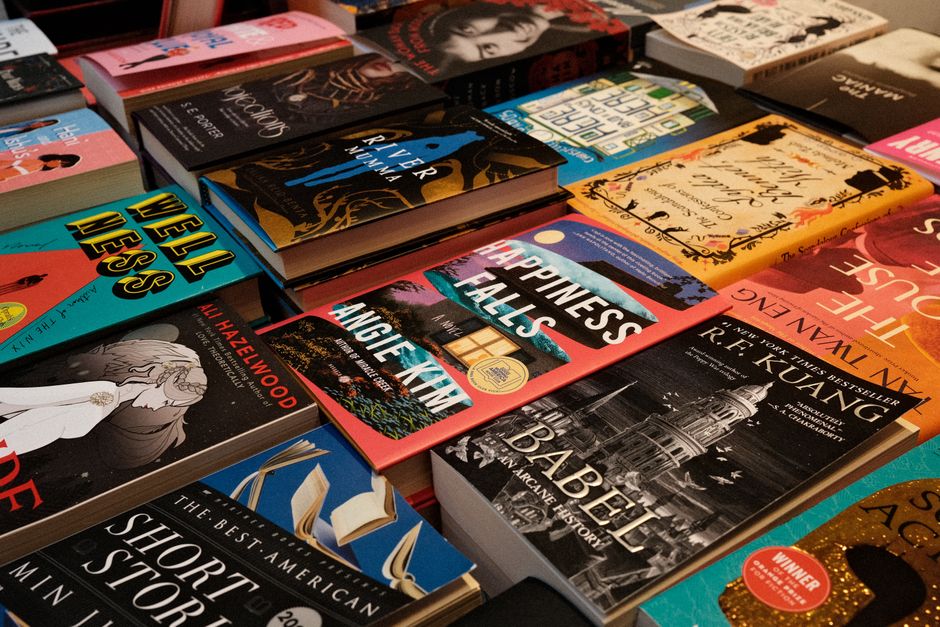
- Visual Trust: A creator’s entire aesthetic—their photo style, their home decor—builds a non-verbal profile of their taste, allowing followers to align with a “vibe” before ever reading a caption.
Selling an Experience, Not Just a Plot
The power of literary social media lies in its ability to sell an atmosphere. A post is rarely just about the book itself; it’s about the experience of reading it. A thriller isn’t just described as suspenseful; it’s photographed next to a flickering candle on a stormy night, evoking a feeling of delicious dread. A romance novel is paired with a sun-drenched picnic, promising escapism and warmth. Publishers have taken note, designing covers with bold, graphic typography and evocative imagery that are tailor-made for this visual-first environment. The book becomes an accessory to a desirable lifestyle, a prop in a story the reader wants to be a part of.
The Algorithmic Bestseller List
While this new ecosystem empowers individual voices, it also creates powerful currents that can be difficult to swim against. When publishers identify a potential hit, they can strategically seed the community by sending hundreds of Advanced Reader Copies (ARCs) to a curated list of influencers. The result is a sudden, seemingly organic wave of excitement around a single title.
The Double-Edged Sword of Virality
For the reader, this has two major effects. On one hand, it creates massive, communal reading experiences, where thousands of people are discussing the same book online simultaneously. On the other, it can create an echo chamber. The same handful of high-budget books can dominate feeds for months, making it harder for quieter, mid-list titles or backlist gems to break through the noise. This phenomenon has dramatically boosted genres like “romantasy” and domestic thrillers, as the algorithm rewards what is already popular, creating a self-reinforcing cycle of trends.
The Author in the Comments Section
Perhaps the most profound shift for the reading community is the unprecedented access to authors. The barrier between creator and consumer has all but dissolved. Authors now use platforms like Instagram to share their writing process, answer fan questions in live sessions, and reveal cover art directly to their most dedicated followers. This direct line fosters a deep sense of loyalty and investment from readers, who feel personally connected to the author’s journey. It’s a powerful tool that turns passive readers into an active, mobilized community ready to champion a book upon its release.

Navigating the Sponsored Shelf
As with any influential platform, commerce complicates the landscape. The line between a passionate, unpaid recommendation and a sponsored post can be blurry. While regulations often require disclosures like #ad, the reader must now engage with a degree of media literacy. Is a glowing review genuine, or is it part of a paid marketing campaign? This introduces a layer of skepticism into the once-purely passionate space, forcing followers to weigh the creator’s history and transparency when considering a recommendation. The most successful influencers navigate this by maintaining the trust of their audience, knowing that authenticity is their most valuable currency.