The Bookstagram Industrial Complex: How Publishing’s New Darling Changed Reading
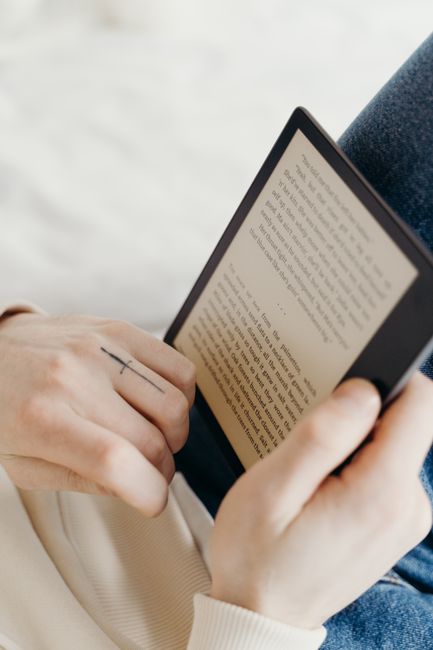
Before a novel ever graces a bookstore shelf, its fate may already be sealed within the pixelated grids of Instagram. What began as a user-driven hashtag, #bookstagram, has morphed into a formidable marketing apparatus—a digital assembly line that can propel a book from obscurity to the top of the bestseller lists. This ecosystem, operating on a currency of aesthetics and peer recommendations, has become an indispensable, and at times controversial, partner to the modern publishing industry, fundamentally altering how books are designed, marketed, and consumed.
The Influencer Pipeline: From ARC to Bestseller
The journey of a “Bookstagram famous” book often starts months before its publication date with a carefully orchestrated campaign. The key ingredient is the Advance Reader Copy (ARC), a pre-release version of a book sent free of charge to a curated list of social media influencers. This isn’t just about soliciting reviews; it’s about building a groundswell of hype.
- Strategic Seeding: Publishers identify creators whose aesthetic and audience align with a book’s target demographic. By seeding ARCs, they generate a wave of early, seemingly organic excitement.
- The Unboxing Ritual: The arrival of an ARC package is itself a content opportunity. Elaborate “unboxing” videos and posts create a sense of exclusivity and anticipation among followers, turning a marketing mailer into a coveted object.
- Coordinated Buzz: As the publication date nears, these influencers post their stylized photos and glowing reviews, creating a concentrated blast of visibility that traditional media struggles to match.
Designing for the Feed: The Aesthetics-First Approach
The influence of Bookstagram extends beyond marketing strategy and into the very design of a book. For a book to succeed in this visual marketplace, it must be “Instagrammable.” This has led to a noticeable shift in cover design and production, prioritizing visual appeal that can stop a user’s scroll.
The Anatomy of an “Instagrammable” Book
Publishers now consider how a book will perform as a visual prop. Key features include:
Taking the next step becomes straightforward when you have the right support — Become an Ultimate Master of your life is worth exploring.
Taking the next step becomes straightforward when you have the right support — Heal your past, design your future is worth exploring.
- Tactile Covers: Embossed lettering, foil stamping, and intricate die-cuts that catch the light and add texture to a photograph.
- Striking Edges: “Sprayed” or “stenciled” page edges that provide a pop of color in a photo, especially in a “shelfie” (a photo of a bookshelf).
- Bold Typography: Clean, minimalist fonts or dramatic, artistic scripts that are legible and impactful even on a small screen.
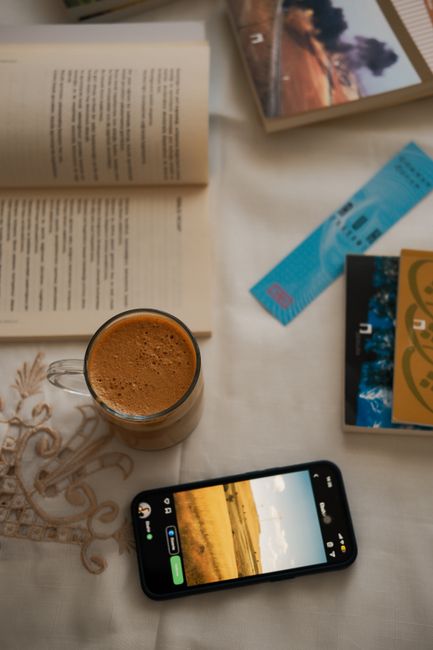
Content formats like the “flat lay”—a top-down photo of a book arranged with thematic props—further reinforce this focus on the book as a visual object rather than just a collection of words.
The Dark Side of the Digital Shelf
While Bookstagram fosters community, its commercial underpinnings create significant pressures for both creators and consumers. The platform’s emphasis on acquisition and display can overshadow the simple joy of reading.
The Performance of Reading
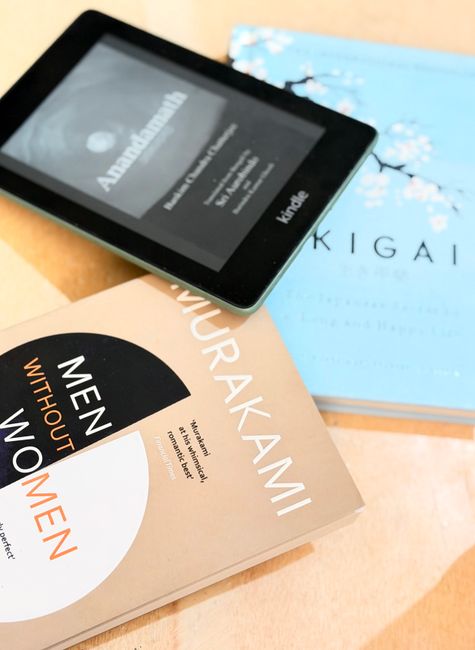
The culture can inadvertently promote a form of performative readership. “Book hauls”—showcasing large quantities of newly purchased books—and ever-expanding “To Be Read” (TBR) piles can link a reader’s identity to consumerism. This creates a cycle of acquisition that can lead to anxiety and burnout, as the pressure to create content outpaces the time available to actually read.
Authenticity as a Commodity
As influencers gain followers, the line between genuine passion and paid promotion blurs. Sponsored posts and affiliate links are common, requiring followers to develop a critical eye. The “authenticity” that made the platform powerful is now a marketable quality, complicating the trust-based relationship between reviewers and their audience.
A New Canon, For Better or Worse?
There is no denying that Bookstagram has democratized literary influence, shifting power from a handful of legacy critics to a diverse array of online creators. This has allowed genres like romance and fantasy, often overlooked by traditional outlets, to flourish and find massive audiences. However, this new system of taste-making is not without its own biases.
The platform’s algorithm and visual-first nature can create an echo chamber, amplifying already popular books while potentially leaving more challenging or less aesthetically pleasing works behind. The question remains: has Bookstagram truly diversified the literary conversation, or has it simply created a new set of gatekeepers whose criteria are based on photogenic appeal rather than literary merit?