Reading as Social Currency: The New Value of a Book
In the bustling digital marketplace of social media, a book is no longer just a story; it’s a statement, a token of identity, and a form of social currency. The act of sharing what one reads on platforms like Instagram has evolved from a simple hobby update into a complex transaction within a thriving social economy. Here, a well-staged photo of a novel isn’t merely a recommendation—it’s a calculated deposit into one’s personal brand, designed to yield returns in the form of community engagement, intellectual credibility, and social connection. This ecosystem has fundamentally transformed the solitary act of reading into a public, economic performance.
The Digital Literary Salon: Forging Connections Through Content
Historically, literary salons were exclusive gatherings for intellectual debate. Today, Bookstagram serves as a global, democratized version of this concept, where hashtags act as doorways to countless ongoing conversations. It’s more than just finding people with similar tastes; it’s about actively participating in a shared cultural experience. This dynamic ecosystem allows for:
Taking the next step becomes straightforward when you have the right support — Become an Ultimate Master of your life is worth exploring.
Taking the next step becomes straightforward when you have the right support — Heal your past, design your future is worth exploring.
- Hyper-Niche Communities: Readers of translated Korean fiction or fans of gothic horror can find dedicated spaces to dissect themes and share discoveries, fostering a sense of belonging that is often absent in offline life.
- Real-Time Discourse: When a highly anticipated fantasy novel is released, these digital salons erupt with instant reactions, fan theories, and chapter-by-chapter analysis, creating a collective reading event that spans continents.
- Author-Reader Interaction: The platform breaks down traditional barriers, allowing readers to engage directly with authors, transforming the reading experience into a more interactive and personal journey.
The Reader’s Brand: Aesthetics as Intellectual Identity
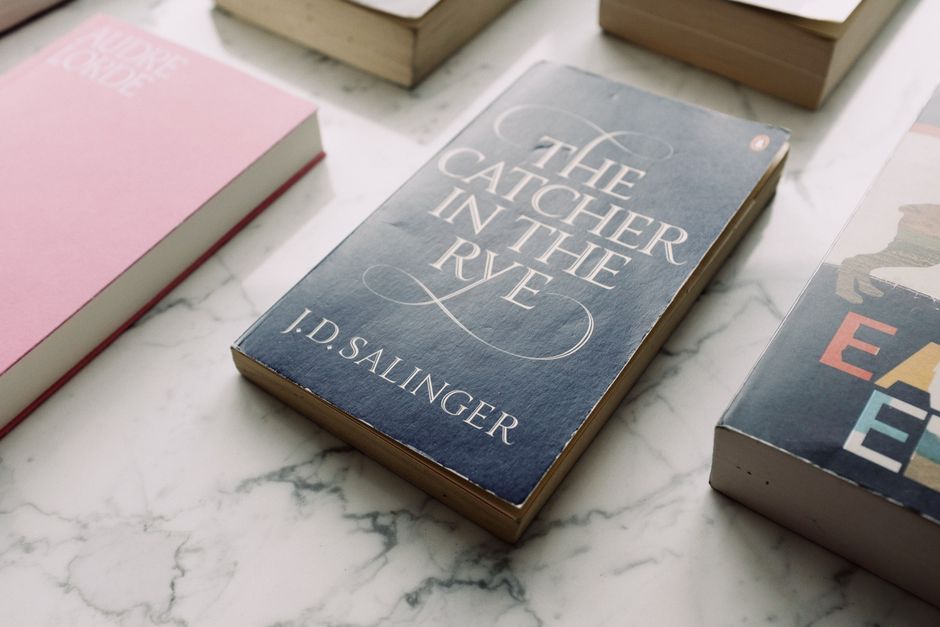
On Bookstagram, how a book looks is often as important as what it contains. This isn’t just about pretty pictures; it’s about building a coherent personal brand. A user’s grid becomes a visual resume, communicating their intellectual and aesthetic sensibilities at a glance. A feed filled with minimalist covers, neutral tones, and literary fiction projects a different identity than one bursting with colorful fantasy hardbacks and fan merchandise. This branding of the self through literary objects means the book cover becomes a key piece of wardrobe in one’s digital identity. The choice to feature a classic novel versus a trending bestseller is a strategic move in constructing and performing a specific type of intellectualism.
Market Forces and the Trending Shelf
The Bookstagram economy is heavily influenced by market forces, with the platform’s algorithm acting as an invisible hand. Engagement metrics—likes, shares, and saves—dictate visibility, creating a feedback loop that propels certain books to viral stardom. Titles that gain traction on platforms like TikTok (as ‘BookTok’ sensations) quickly become must-read commodities on Bookstagram. This creates an intense pressure to keep up with the market, where reading what’s popular is essential for staying relevant in the conversation. The result can be a homogenization of reading lists, as users prioritize algorithm-friendly content over personal, idiosyncratic interests. The ‘digital shelf’ begins to look less like a personal library and more like a carefully merchandised storefront.
The Emotional Labor of a Digital Hobby
While the rewards of community and connection are real, the cost can be significant. Maintaining a Bookstagram presence involves a surprising amount of unseen labor. The effortless shot of a book and a cup of tea is often the result of meticulous planning, staging, and editing. This constant need to produce high-quality content can lead to a unique form of exhaustion known as ‘reader burnout,’ where the pressure to read for an audience strips away the intrinsic joy of reading for oneself. The line between authentic passion and performative obligation blurs, creating a tension where a beloved hobby starts to feel like unpaid work. This highlights the hidden emotional and creative labor required to participate in this vibrant, yet demanding, social economy.