
From Private Hobby to Public Identity: The New Literary Landscape
In the quiet corners of the internet, a vibrant community was born. Known as Bookstagram, it offered a digital haven where the solitary act of reading became a shared, visual celebration. It promised connection, discovery, and a place to belong for anyone who ever felt the magic of a story. Yet, for many, this digital book club has evolved into something more complex. The simple joy of sharing a favorite novel now competes with the pressure to curate a perfect readerly identity, raising a critical question for modern bibliophiles: How do we protect our passion when it becomes a performance?
The Curated Bookshelf: When Taste Becomes a Brand
The journey often begins innocently: a photo of a current read, a short review, the thrill of finding others who loved the same characters. But the visual-first nature of platforms like Instagram subtly shifts the focus. A personal bookshelf, once a private collection of memories and interests, is transformed into a public exhibit. The pressure mounts to create a ‘brand’ of reading—are you the dark academia scholar, the colorful romance enthusiast, or the collector of minimalist literary fiction? This leads to a new kind of consumption.
The ‘book haul’—a video or post showcasing a large purchase of new books—becomes a status symbol. The pursuit of special editions with sprayed edges and custom covers becomes paramount. This aesthetic arms race can inadvertently sideline the core activity: reading. The emphasis can drift from the substance of a book’s narrative to its value as a prop in a carefully constructed online identity. The act of reading becomes secondary to the act of being seen as a reader.
Taking the next step becomes straightforward when you have the right support — Become an Ultimate Master of your life is worth exploring.

Taking the next step becomes straightforward when you have the right support — Heal your past, design your future is worth exploring.
The Algorithmic Gatekeeper: Reading on a Deadline
Behind every curated feed lies an invisible but powerful force: the algorithm. To stay relevant in a sea of over 95 million #bookstagram posts, creators must feed this machine a constant stream of content. This creates a relentless cycle that can be antithetical to the contemplative nature of reading. The leisurely pace of sinking into a long novel is replaced by a frantic need to finish books quickly to generate reviews and stay ahead of publishing trends.
This dynamic gives rise to several key pressures:
- The Content Treadmill: The need to post daily or multiple times a day transforms reading from a relaxing escape into a demanding job. A ‘reading slump’ isn’t just a personal lull; it’s a professional crisis that could lead to decreased visibility.
- Trend-Chasing: The algorithm rewards popularity. This incentivizes creators to read what’s currently trending or what publishers are heavily promoting, rather than following their own eclectic tastes. Personal discovery can take a backseat to market demand.
- The Rise of ARCs: Receiving Advance Reader Copies (ARCs) from publishers is a mark of success in the community. However, it comes with the implicit (and sometimes explicit) obligation to read and post on a publisher’s timeline, adding deadlines and external expectations to what was once a personal hobby.
Measuring Joy: The Emotional Toll of a Quantified Hobby
When a passion is filtered through a social media platform, it becomes subject to public metrics. Likes, follower counts, and comment velocity become the new barometers of success, creating a fertile ground for comparison and anxiety. A creator might pour their heart into a thoughtful analysis of a classic novel, only to see it ignored in favor of a flashy video of a more ‘Instagrammable’ new release from another account. This constant, public feedback loop can be emotionally draining.
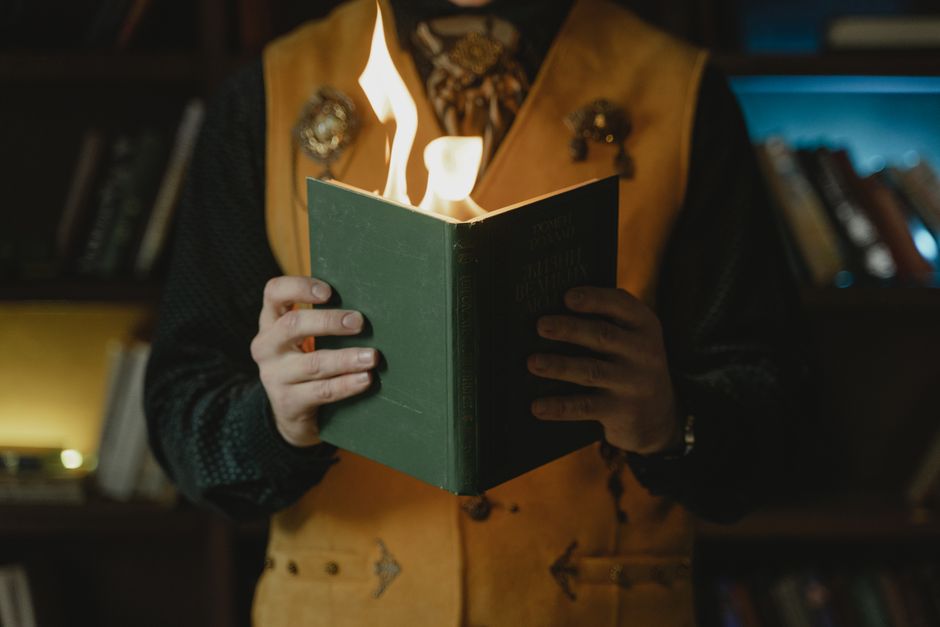
This ‘comparison culture’ erodes the sense of community it was meant to foster, introducing a competitive edge that can sour relationships. The result for many is burnout—a state of emotional and mental exhaustion where the pressure to perform extinguishes the very passion that started the journey. The bookshelf, once a source of comfort, starts to feel like a monument to one’s own inadequacy.
Reclaiming the Narrative: Reading for Oneself Again
Navigating this complex environment is not impossible, but it requires conscious effort. The key is to intentionally separate the public performance of reading from the private, personal joy of it. This can mean setting boundaries, such as having ‘private reads’ that are never posted online, or scheduling digital detoxes to reconnect with books without the pressure of an audience. By prioritizing authenticity over analytics and connection over competition, it is possible to harness the best parts of the online book world—the community and discovery—while safeguarding the quiet, personal magic that makes us readers in the first place.