The End of the Gatekeepers
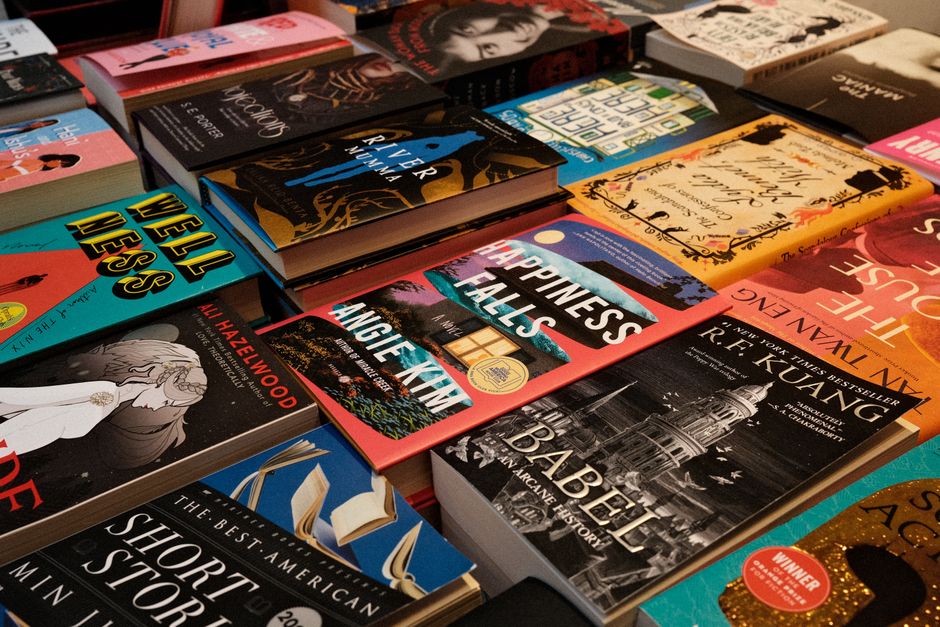
Walk into any major bookstore today, and you will likely find a table prominently displaying a sign: “BookTok Made Me Buy It.” This physical display is the most tangible evidence of a seismic power shift in the literary world. For decades, the path to a bestseller was paved by publishers, critics, and prize committees—a select group of industry gatekeepers. Now, that power has been decentralized, placed into the hands of millions of readers whose unfiltered, emotional reactions, amplified by an algorithm, can turn a forgotten novel into a global phenomenon overnight. This is the new republic of reading, built on the foundation of TikTok.
From Critic to Creator: The Rise of Peer-to-Peer Influence
The authority of a traditional book review pales in comparison to the persuasive power of a creator sharing a tearful, unscripted reaction to a novel’s final pages. BookTok’s influence is rooted in this perceived authenticity. It transforms literary recommendation from a top-down broadcast into a vast, interconnected web of peer-to-peer conversations. These creators aren’t professional critics operating from an ivory tower; they are passionate readers sharing a genuine experience from their own homes. This fosters a level of trust and parasocial connection that traditional marketing campaigns struggle to replicate, making a 30-second video more impactful than a full-page ad in a literary journal.
The Emotional Economy of a Viral Hit
BookTok operates on an economy driven by emotion. The most valuable currency is not eloquent prose or nuanced analysis, but raw, shareable feeling. The algorithm rewards content that elicits a strong response, leading to a content ecosystem built on emotional catharsis.
Taking the next step becomes straightforward when you have the right support — Become an Ultimate Master of your life is worth exploring.
Taking the next step becomes straightforward when you have the right support — Heal your past, design your future is worth exploring.
- Trading in Tropes: Recommendations are often packaged using narrative shorthand. A tag like “found family” or “academic rivals” isn’t just a category; it’s a promise of a specific emotional journey, allowing users to efficiently shop for the feeling they crave.
- Aesthetic as an Asset: Books are frequently framed within a broader lifestyle aesthetic, like “dark academia” or “light fantasy.” The book becomes more than a story; it’s an accessory to a curated identity, making the act of reading a visual and cultural statement.
- The Currency of Tears: Videos titled “books that shattered my soul” or showing creators visibly sobbing are a cornerstone of the platform. This vulnerability creates an immediate, powerful hook that compels viewers to seek out the same experience.
Echoes from the Backlist: How Old Books Find New Life
One of the most profound effects of this new ecosystem is its ability to perform a kind of digital archaeology, unearthing titles that were long out of the publishing spotlight. Madeline Miller’s “The Song of Achilles” (2014) and Colleen Hoover’s “It Ends With Us” (2016) were not new releases when they exploded in popularity. They were resurrected from the backlist by a groundswell of reader enthusiasm years after their initial publication. This phenomenon has effectively rendered the traditional concept of a book’s shelf life obsolete. Any book, at any time, is just one viral video away from a second chance at stardom.
The Publishing World’s Scramble to Adapt
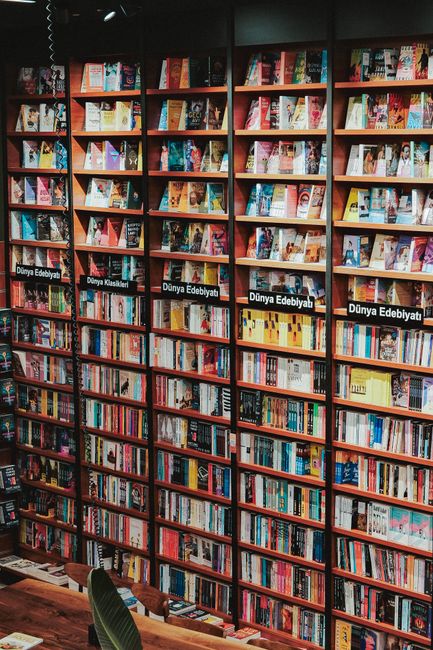
The historically slow-moving publishing industry has been forced into a reactive sprint to keep up. Marketing departments now employ social listening teams to monitor trends, and publishers actively court influential BookTok creators. The influence is so strong it has even changed the physical product itself, with some books being re-released with new, more visually-arresting covers designed to stand out in a fast-scrolling video feed. The industry is no longer just selling books; it’s trying to understand and cater to a new reader-led marketplace it did not create and does not fully control.
The Perils of a Popularity Contest
This democratization of taste is not without its challenges. The platform’s algorithm naturally favors content that is immediately engaging and emotionally resonant, leading to a heavy concentration on genres like romance, fantasy, and young adult fiction. Critics worry this could lead to a homogenization of the bestseller lists, where a narrow band of trope-heavy narratives crowds out more experimental or challenging literary work. Furthermore, the relentless demand for viral content places immense pressure on creators and can incentivize authors to write “for the algorithm,” potentially stifling creative risk-taking in favor of chasing a trend.
Ultimately, BookTok represents more than a marketing channel; it’s a fundamental restructuring of literary influence. It has proven that a recommendation built on genuine passion can be more powerful than a multi-million-dollar campaign. The reader, once the passive recipient at the end of the publishing chain, is now a powerful tastemaker, shaping the literary landscape with every book they champion and every emotion they share.