The New Kingmakers: How Amateur Critics Became Publishing’s Most Valuable Asset
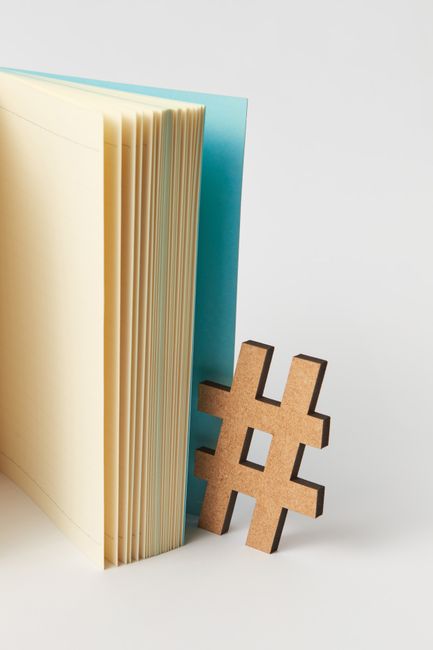
The path to the bestseller list no longer runs exclusively through traditional review outlets. A new, powerful force has emerged from the digital world, capable of launching careers and reviving backlist titles with staggering efficiency. This force is Bookstagram, an ecosystem on Instagram where passionate readers have become the industry’s most effective marketers. What started as a hashtag for sharing photos of books—now attached to over 95 million posts—has evolved into a sophisticated engine of commerce, fundamentally altering how books are sold and even how they are made.
This shift represents a democratization of influence. As publishing consultant Jane Friedman observed, the power of recommendation has moved from established institutions to individuals. “Suddenly, the power to recommend wasn’t solely in the hands of established reviewers,” she notes. “It was with a 22-year-old in Ohio with a great eye for photography and a genuine love for YA fantasy. That shift is permanent.” These creators, or “bookfluencers,” build communities around trust, making their endorsements far more potent than conventional advertising.
Taking the next step becomes straightforward when you have the right support — Become an Ultimate Master of your life is worth exploring.
Taking the next step becomes straightforward when you have the right support — Heal your past, design your future is worth exploring.
Anatomy of a Viral Campaign: Deconstructing the Digital Launch
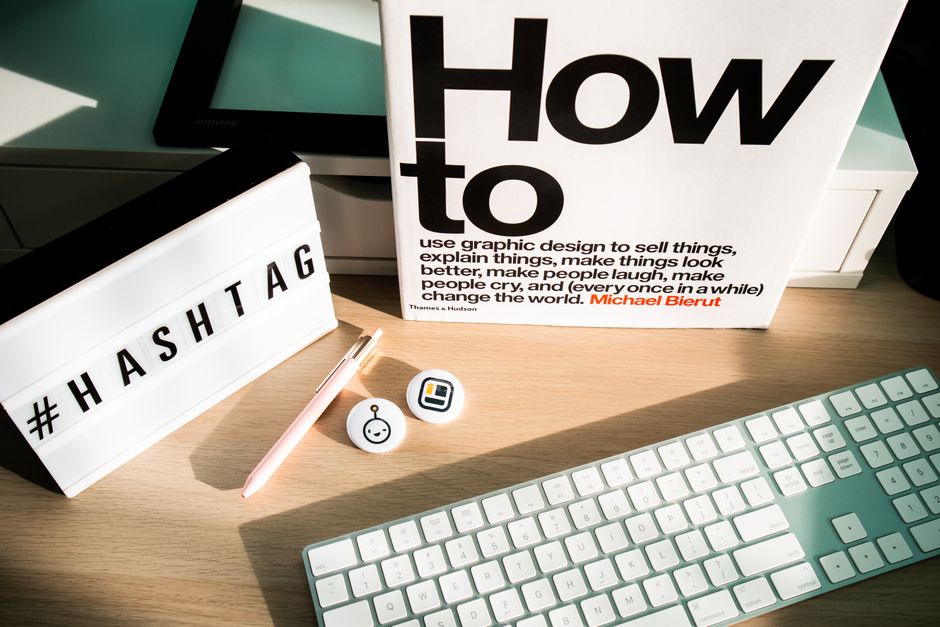
The journey of a book on Bookstagram is a masterclass in modern, visually-driven marketing. Publishers no longer just hope for organic buzz; they actively cultivate it through strategic partnerships with creators. A typical high-impact campaign follows a distinct lifecycle:
- The Seed Phase: Advance Copies (ARCs): Months before release, curated lists of influencers receive exclusive advance reader copies. This generates initial excitement through “unboxing” posts and early, spoiler-free reactions.
- The Visual Hook: The Aesthetic Showcase: As the publication date nears, feeds fill with carefully styled images. Whether it’s a book posed in a relevant real-world setting (a thriller in a dimly lit alley) or an elaborate “flat lay” with thematic props, the goal is to create a powerful visual identity for the book that is easily shareable.
- The Community Ignition: Coordinated Content: Influencers begin posting reviews, starting discussions, and using campaign-specific hashtags. This creates a concentrated wave of content that dominates user feeds, signaling to the algorithm—and potential readers—that this book is a major cultural event. Titles like Fourth Wing have become runaway successes by masterfully leveraging this exact playbook.
Product Design for a Digital Age: The Rise of the ‘Shelf-Worthy’ Object
Bookstagram’s influence extends beyond marketing and into the very design of books themselves. The platform’s visual nature has created a demand for books that are not just good reads, but beautiful physical objects. This has led to a major shift in production values and cover design. Publishers now invest heavily in features that are optimized for photography and digital sharing:
- High-Concept Covers: Bold typography, striking illustrations, and minimalist designs that pop on a small screen have replaced more traditional cover art.
- Tactile Enhancements: Foil stamping, embossing, and intricate die-cuts add a layer of luxury that translates well in close-up shots and videos.
- Covetable Special Editions: The trend of sprayed, stenciled, or decorated page edges has exploded, turning a standard book into a collector’s item. These editions are often produced specifically to fuel a fear of missing out and drive pre-order campaigns.
The book is no longer just a vessel for a story; it’s a prop, a status symbol, and a piece of decor all in one.
The Professional Reader: Navigating the Creator Economy
The transformation from hobby to profession has created a new career path but also introduced significant challenges. The global influencer marketing sector, valued at over $21 billion in 2023, provides the financial framework, but the pressure is immense. Creators must function as photographers, copywriters, community managers, and business negotiators. They face the constant threat of burnout while trying to maintain authenticity in a world of paid partnerships and performance metrics. The balance is precarious: followers are drawn to genuine passion, but the demands of the algorithm and the need for income require a more commercial approach, creating a central tension within this new literary economy.