

The Initial Spark: An Authentic Recommendation Ignites
It begins not with a bang, but with a scroll. A user sees the same distinctive book cover three times in ten minutes. Suddenly, it’s everywhere. This is the modern path to a bestseller, a grassroots phenomenon that often catches the publishing world by surprise. The journey starts quietly, with a single, passionate post. Before a massive marketing campaign is even conceived, publishers seed the digital landscape by sending Advanced Reader Copies (ARCs) to a curated list of micro-influencers. The genuine excitement from one of these trusted readers acts as the catalyst. Their post is not an ad; it’s a secret being shared, a quiet but potent endorsement that feels personal and urgent.
Visual Contagion: The Aesthetics of Virality
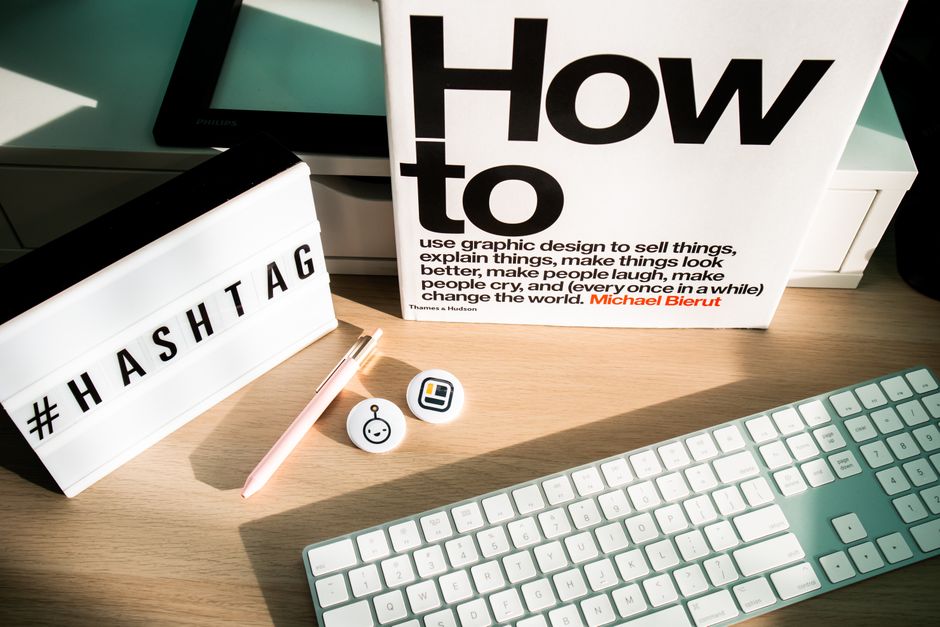
A book’s journey to viral fame is visual first and textual second. In the digital arena, the cover is not just packaging; it is the primary advertisement. This has led to a revolution in cover design, favoring bold typography, graphic illustrations, and eye-catching foil that can stop a thumb in its tracks. These covers are designed to be photogenic assets. Bookstagram creators act as digital stylists, building entire worlds around these objects. They curate a specific “vibe”—be it the warm nostalgia of cottagecore or the sleek minimalism of a modern thriller—that sells a lifestyle and a feeling before a potential reader even reads the synopsis. The image is the hook, the gateway to the entire phenomenon.
Taking the next step becomes straightforward when you have the right support — Become an Ultimate Master of your life is worth exploring.
Taking the next step becomes straightforward when you have the right support — Heal your past, design your future is worth exploring.
The Emotional Echo Chamber: Sharing the Experience, Not Just the Plot
Once a book has captured visual attention, its spread is fueled by pure emotion. The contemporary digital book review is often a performance. It’s a short video of a reader crying over a devastating ending, a series of screenshots of highlighted passages, or a simple, emphatic caption: “This story will ruin you.” This raw, unfiltered emotional output is profoundly more persuasive than a formal, distant critique. It transforms the solitary act of reading into a public, communal experience. Novels with shocking twists or deeply moving character arcs, like Taylor Jenkins Reid’s The Seven Husbands of Evelyn Hugo, thrive in this environment. New readers are drawn in not just by the plot, but by a desire to join the shared emotional conversation they see unfolding online.
Fanning the Flames: The Industry Catches Up
Publishers rarely start these viral fires; their modern role is to fan the flames. By closely monitoring social media metrics and real-time sales data, they can identify an organic groundswell as it happens. When a backlist title begins an unexpected climb, the industry’s marketing machinery roars to life. They pour resources into amplifying the existing conversation, securing paid partnerships with larger influencers, running targeted ads that mimic the aesthetic of the popular posts, and ensuring prime placement in physical bookstores. The strategy has pivoted from creating taste to amplifying trends that readers themselves have already validated with their engagement and their wallets.
The New Blueprint for a Bestseller
This reader-driven cycle has permanently redefined what makes a bestseller. It has created a “backlist gold rush,” granting older books a second, often more successful, life and creating unforeseen revenue for authors and publishers. Yet, this new model has its drawbacks. The pursuit of the next viral sensation can lead to a homogenization of trends, as certain genres and aesthetics dominate the digital shelf space. Furthermore, the pressure on creators to perform authenticity and maintain a constant stream of high-quality content can lead to significant burnout. The Bookstagram effect has successfully democratized literary fame, but in doing so, it has forged a new ecosystem where a book’s triumph depends as much on its shareable, visual, and emotional potential as it does on the words within.
One Response