
From Ivory Tower to iPhone Screen: The Rise of the Reader-Critic
For decades, the path to literary acclaim was paved by established institutions: prestigious reviews, literary awards, and industry gatekeepers. Today, that path is being redrawn by a decentralized network of passionate readers on Instagram. The platform known as Bookstagram has dismantled the top-down model of influence, replacing the distant critic with the relatable creator. This new tastemaker doesn’t rely on formal analysis but on emotional connection and shared enthusiasm, creating a powerful form of social proof that has become the publishing world’s most coveted asset. A rave review from a trusted Bookstagrammer can now generate more pre-orders than a feature in a legacy publication.
The Currency of Trust
The foundation of this new ecosystem is not expertise in the classical sense, but authenticity. Followers form parasocial relationships with creators, viewing their recommendations as genuine suggestions from a friend. This trust is the engine of the Bookstagram economy. When a creator shares a tearful reaction to a novel’s ending or an excited unboxing of a special edition, they are not just reviewing a book; they are curating a shared emotional experience. This perceived authenticity gives their endorsements a weight that traditional advertising struggles to replicate, directly translating follower trust into book sales.
The Visual Grammar of a Bestseller
Bookstagram’s influence is fundamentally visual. It transformed the book from a simple object of consumption into a key component of a curated digital identity. This aesthetic-driven approach has developed its own language for communicating a book’s appeal without a single word of review.
Taking the next step becomes straightforward when you have the right support — Become an Ultimate Master of your life is worth exploring.
Taking the next step becomes straightforward when you have the right support — Heal your past, design your future is worth exploring.
- Trope-Based Staging: Photos are often styled to evoke popular literary tropes. A fantasy novel might be paired with daggers and maps, while a romance could be surrounded by flowers and handwritten letters, signaling its genre and mood instantly.
- The Special Edition Unboxing: Limited editions with sprayed edges, custom endpapers, and foil covers have become highly sought-after collector’s items. The ritual of unboxing these beautiful objects on video creates hype and a sense of exclusivity.
- The Thematic Mood Board: Creators often build a visual collage or “mood board” around a book, using props, colors, and textures to convey its atmosphere. This markets the book not just as a story, but as an entire vibe.
Inside the Publisher’s Digital Toolkit
Publishers have rapidly adapted, moving from passive observers to active participants in this digital arena. They now treat Bookstagram not as a secondary marketing channel, but as a primary tool for research, development, and promotion.
The most visible strategy is the widespread distribution of Advance Reader Copies (ARCs). However, the approach has become far more sophisticated. Publishers create elaborate, camera-ready ARC packages with themed merchandise, hoping to secure a coveted spot in a creator’s unboxing video. Beyond promotion, these platforms serve as real-time focus groups. Publishers monitor hashtag trends to identify burgeoning subgenres, like the recent surge in ‘dark academia’ or ‘cozy fantasy,’ allowing them to acquire and market titles that meet a pre-existing, digitally-verified demand.
The Economics of Virality: Creating Perennial Sellers
Bookstagram’s most profound economic impact is its ability to defy the traditional sales cycle of a book, which typically peaks within weeks of its release. The platform’s word-of-mouth engine can ignite interest in a book months, or even years, after its publication.
Resurrecting the Backlist
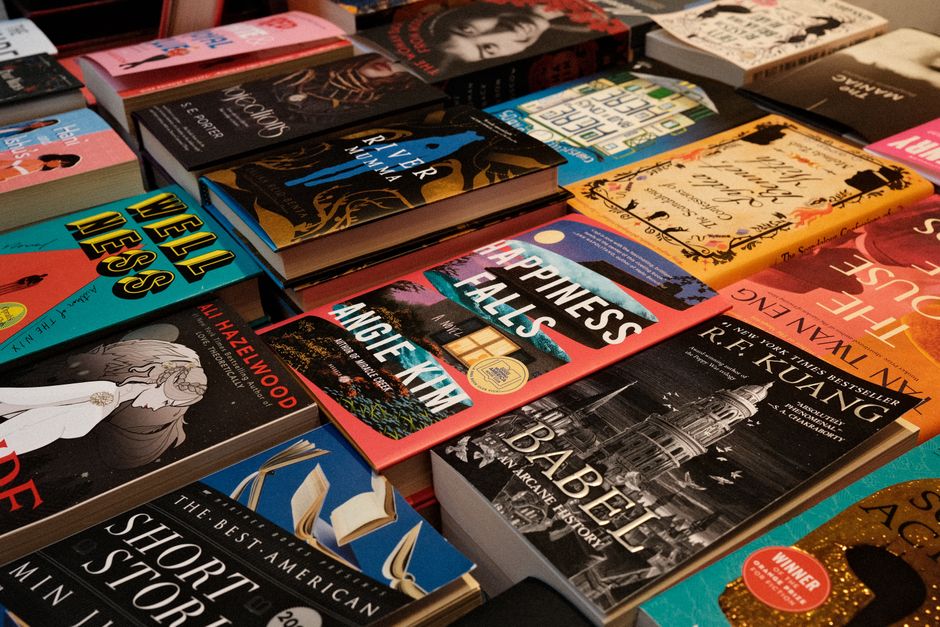
The phenomenon of a ‘backlist bestseller’ is a direct result of this ecosystem. A book like Taylor Jenkins Reid’s “The Seven Husbands of Evelyn Hugo” (2017) saw its sales explode years after publication, propelled onto bestseller lists by a new wave of readers discovering it on social media. This demonstrates that a book’s commercial life is no longer finite; it has the potential for multiple renaissances as long as it remains in the digital conversation.
Sustaining the Momentum
For new releases, the platform creates a sustained sales tail rather than a brief spike. Authors who cultivate a strong online presence, such as Sarah J. Maas or Rebecca Yarros, benefit from continuous, fan-driven promotion that keeps their entire catalog visible. This organic marketing machine ensures that a book doesn’t just launch—it lingers, becoming a staple of the digital bookshelf and transforming a one-time release into a long-term commercial asset.