From Story to Spectacle: The New Currency of Reading
A book’s value was once measured by its prose, its critical reception, or its place in the literary canon. Today, its worth is also calculated in likes, shares, and its ability to stop a thumb mid-scroll. Welcome to the visual economy of literature, an ecosystem born from the Instagram hashtag #bookstagram. This digital phenomenon has fundamentally re-engineered the publishing industry, transforming the private act of reading into a public performance and creating a new set of rules for what makes a book succeed. It’s a world where a book’s cover is as crucial as its content and an amateur photo can wield more power than a professional review.
The Reader as Brand Ambassador
Historically, reader communities were intimate—book clubs, forums, and local library groups. Instagram shattered these confines, creating a global, visually-driven network. The platform incentivized users to translate their reading experience into a shareable aesthetic. Suddenly, a book wasn’t just a story; it was a prop in a carefully staged photograph, a tile in a color-coded bookshelf, a centerpiece in a lifestyle brand. This user-generated content became the most potent form of marketing imaginable: authentic, constant, and created at no cost to the publisher. Every ‘shelfie’ and flat lay became an advertisement, turning passive readers into active, unpaid brand ambassadors.
The Rebalancing of Literary Power
The rise of this visual economy triggered a seismic power shift away from traditional media institutions and toward a decentralized network of content creators. Publishers, once reliant on the slow burn of critical reviews and print advertising, found themselves adapting to a faster, more volatile, and audience-driven marketplace.
From Critic to Creator: The New Tastemakers
The authority of established literary critics from legacy publications has been challenged by a new class of influencer: the Bookstagrammer. These creators built trust not on institutional credentials, but on perceived authenticity and passionate, relatable engagement. A single enthusiastic post from a creator with a loyal following can now generate more pre-orders and immediate sales than a glowing review in a national newspaper. As a result, publishers have reallocated significant resources, prioritizing sending advance reader copies (ARCs) and marketing budgets to these digital influencers who can ignite viral conversations overnight.

Taking the next step becomes straightforward when you have the right support — Become an Ultimate Master of your life is worth exploring.
Taking the next step becomes straightforward when you have the right support — Heal your past, design your future is worth exploring.
The Algorithm as Editor
While creators hold influence, the platform’s algorithm acts as an invisible editor. Books that photograph well, spark debate, or fit into viral trends are amplified, while others may struggle for visibility. This has led to a feedback loop where certain genres and aesthetic styles dominate the conversation, creating micro-trends that publishers are quick to chase. This algorithmic curation influences not just what readers see, but what publishers choose to acquire and promote in the future.
Product Design for a Digital Shelf
The most tangible consequence of Bookstagram is its revolutionary impact on book design. The physical bookstore shelf is no longer the primary point of discovery; the digital feed is. This has forced a complete overhaul of how books are packaged and produced.
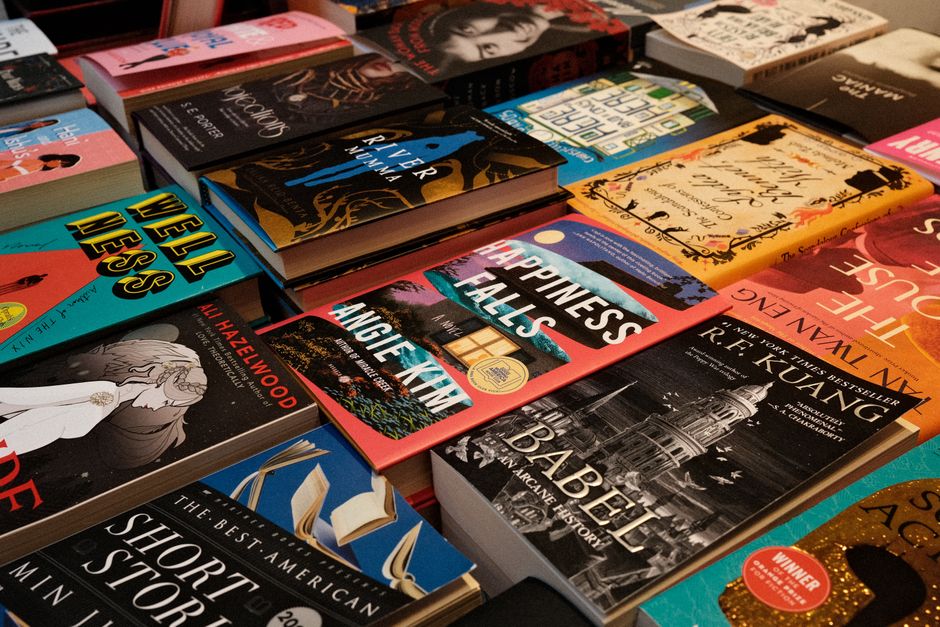
- Thumb-Stopping Covers: The design brief for a book cover has changed. It must now be bold, graphic, and instantly legible on a small screen. This has fueled the dominance of illustrative and heavily-typographical covers over more subdued photographic or minimalist designs.
- The Unboxing Experience: Publishers now invest in features meant for the camera, not just the reader. Ornate foil stamping under the dust jacket (‘naked hardbacks’), sprayed edges, and illustrated endpapers are designed to create a rewarding ‘unboxing’ experience that creators will be eager to film and share.
- Collectible Objects: The focus has shifted to making the physical book a desirable object in its own right, a counter-response to the rise of e-books. Coordinated spine designs for a series are explicitly created to encourage the ‘shelfie’ and drive collection-oriented purchasing.
Market Realities and New Revenue Streams
This new ecosystem has not only changed marketing but has fundamentally altered market dynamics, reviving dormant genres and creating unexpected windfalls from books long out of the spotlight.
The Genre Renaissance
Genres like fantasy and romance, often dismissed by the literary establishment, flourished on Bookstagram. The platform provided a space for dedicated communities to form and celebrate these books without apology. The visible, explosive demand demonstrated a massive, underserved market, compelling major publishers to invest heavily in these genres, catapulting their authors to the top of bestseller lists.
Resurrecting the Backlist
One of the most powerful economic impacts is the normalization of the ‘backlist bestseller.’ Books published years or even decades ago can be resurrected by a viral trend or a book club pick, experiencing a sales surge that rivals a new release. This has turned publishers’ back catalogs from dormant assets into potential goldmines, creating a new layer of unpredictability and opportunity in the market.