Judging a Book by Its Digital Cover
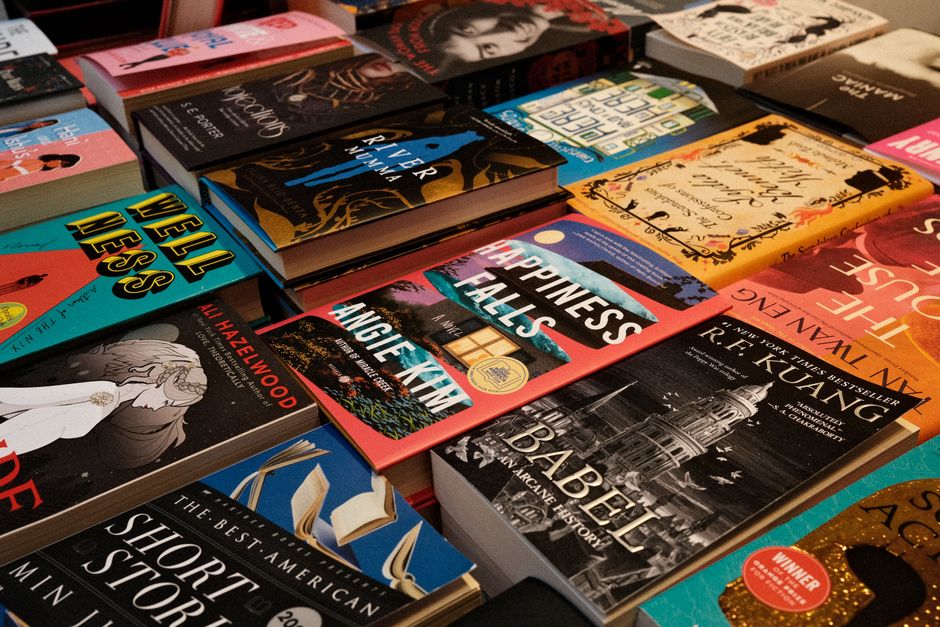
Before it is ever read, a modern book is seen. On Instagram, a book’s life begins not with its first sentence, but with its cover, captured in a carefully composed photograph. This visual-first reality has fundamentally altered the publishing industry’s approach to design. A cover is no longer just for the physical bookstore shelf; it is a strategic asset engineered to stop a user’s scroll. Publishers now invest heavily in “Instagrammable” covers featuring bold, contrasting typography, intricate foil stamping, and vibrant illustrations that pop on a small screen. The commercial success of genres like romance and fantasy has been significantly amplified by illustrated or stylized covers that create a cohesive, shareable aesthetic across an author’s entire catalog.
The Curated Bookshelf: A New Era of Recommendation
Word-of-mouth has evolved. The trusted friend who presses a dog-eared paperback into your hands now exists as a digital curator you may have never met. These creators, known as Bookstagrammers, build communities not just by reviewing books, but by cultivating a specific mood and aesthetic. Their authority is built on a foundation of trust and shared taste, making their recommendations feel deeply personal to their thousands of followers.
Taking the next step becomes straightforward when you have the right support — Heal your past, design your future is worth exploring.
Taking the next step becomes straightforward when you have the right support — Become an Ultimate Master of your life is worth exploring.
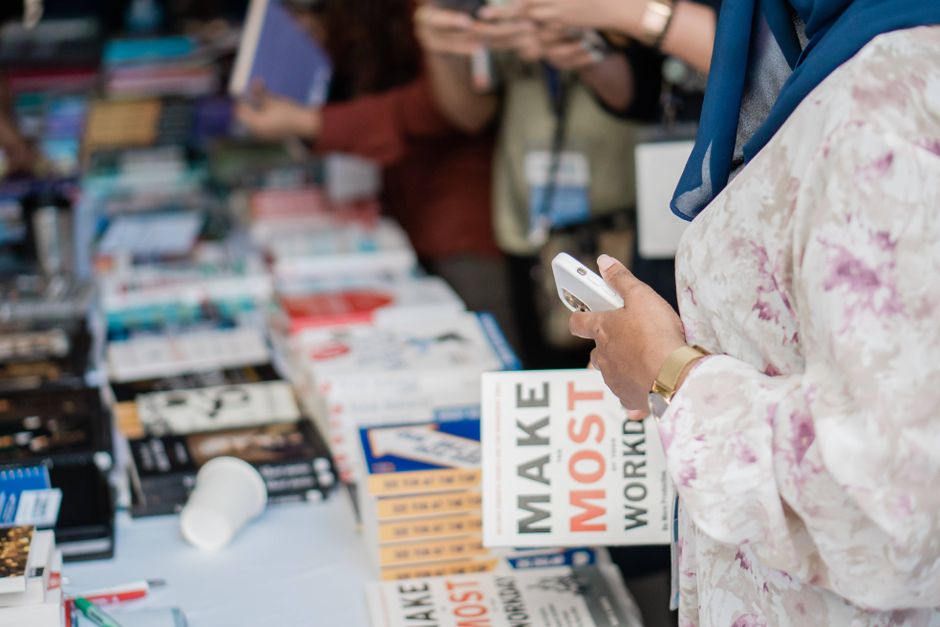
This new recommendation pipeline often works like this:
- A publisher provides an Advanced Reader Copy (ARC) to a creator, generating pre-release excitement.
- The creator photographs and reviews the book, sharing it with their engaged audience.
- Followers, trusting the curator’s judgment, purchase the book, often through affiliate links that provide the creator a small commission.
This cycle transforms a single post into a powerful sales driver, bypassing traditional media and connecting a book directly with its most likely readers.
Echoes in the Algorithm: Genre Tribes and Rediscovered Gems
Instagram’s algorithm, combined with user-driven hashtags, fosters vibrant subcultures around niche literary interests. Entire communities have blossomed around aesthetics like “dark academia” or specific tropes like “enemies-to-lovers,” creating powerful ecosystems where certain books can achieve cult status. This environment doesn’t just benefit new releases; it has an extraordinary ability to resurrect older titles. A book from the backlist, long past its initial marketing push, can be rediscovered by a new generation of readers and become a viral phenomenon. Madeline Miller’s The Song of Achilles, for example, saw a massive resurgence in popularity nearly a decade after its publication, driven almost entirely by heartfelt, user-generated content on platforms like Instagram and TikTok.
The Perils of the Pretty Page: Aesthetics vs. Substance
This visually-driven culture presents a new set of challenges for the modern reader. The line between a genuine, passionate recommendation and a paid advertisement has become increasingly blurred. Disclosures for sponsored posts are required, but the inherent nature of influencer marketing is to make every endorsement feel authentic. This creates a paradox of trust for followers, who must learn to be discerning consumers of literary opinion. Furthermore, there is a growing concern that the emphasis on a book’s aesthetic appeal could overshadow its literary merit. When a book is celebrated for how well it photographs, it raises a critical question for the reading community: are we curating a library of profound stories, or merely a feed of beautiful objects?