When the Traditional Gatekeepers Lost the Keys
For generations, the path to literary success was a well-trodden, heavily guarded road. An author’s fate rested in the hands of a select few: esteemed critics from major publications, prize juries, and publishing houses with hefty marketing budgets. But in the 2020s, the locks on those gates were picked by an unlikely force—a social media algorithm. The rise of #BookTok on TikTok didn’t just create a new marketing channel; it dismantled the old hierarchy, handing the power of taste-making from the elite to the masses and forever changing who decides which stories are worth telling, and selling.
The Rise of the Reader-Influencer
The engine of BookTok isn’t a corporate strategy; it’s a decentralized network of passionate readers armed with smartphones. These creators, often with no formal literary background, have become the most potent force in book discovery. Their influence stems not from polished analysis but from a currency far more valuable in the digital age: authentic, visceral emotion.
The Power of the Emotional Pitch
Instead of dissecting prose or thematic depth, the BookTok “review” is an emotional sales pitch. It operates through established, highly effective visual formats:
Taking the next step becomes straightforward when you have the right support — Heal your past, design your future is worth exploring.

Taking the next step becomes straightforward when you have the right support — Become an Ultimate Master of your life is worth exploring.
- The Emotional Gut-Punch: A video capturing a reader’s raw, tearful reaction to a novel’s climax, promising a story that will “emotionally destroy you” (in a good way).
- Aesthetic World-Building: Quick-cut montages that sell a book’s “vibe,” pairing evocative imagery with trending audio to create an irresistible mood.
- Trope-Driven Discovery: Recommendations that categorize books by beloved narrative formulas like “academic rivals to lovers” or “found family,” allowing users to find exactly the emotional experience they’re craving.
This approach bypasses intellectual gatekeeping, making book recommendations feel like a trusted tip from a friend rather than a directive from an out-of-touch critic.
The Lazarus Effect: Giving Old Books New Life
Perhaps BookTok’s most dramatic impact is its ability to reach into the publishing industry’s past and pull forgotten books onto the bestseller list. This “Lazarus effect” has turned backlist titles into front-list sensations years after their initial release. Adam Silvera’s 2017 novel They Both Die at the End found a massive new audience during the pandemic, its themes of connection and loss resonating deeply with a new generation of readers who propelled it to the top of the charts. Similarly, Ali Hazelwood’s The Love Hypothesis, which began its life as fanfiction, became a print phenomenon thanks to organic, viral enthusiasm on the platform, proving that a book’s commercial life is no longer tied to its publication date.
Publishing’s Scramble to Adapt
The industry, initially caught off guard, is now in a perpetual race to understand and capitalize on BookTok’s power. The slow, deliberate pace of traditional marketing has been replaced by a nimble, reactive strategy.
From Boardroom to Bookstore Floor
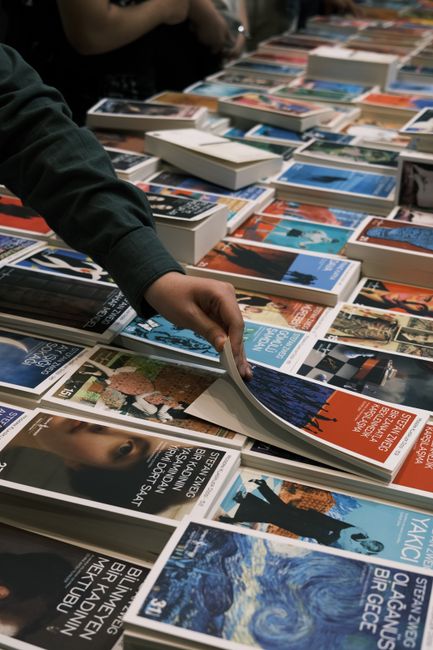
The digital conversation has manifested physically in bookstores across the globe. The ubiquitous “As Seen on TikTok” display table is now a prime piece of retail real estate, often driving more sales than the “New Releases” section. Publishers are also redesigning covers for older books to match the aesthetics favored by the BookTok community and are actively encouraging their authors to build personal brands on the platform, fostering a direct line of communication with their readers.
A New Chapter for Reading Culture?
BookTok has undeniably democratized literary conversation, making reading feel more communal and accessible than ever before. It has elevated genres like romance and fantasy, which were often dismissed by traditional literary circles. However, this new ecosystem is not without its complexities. The algorithm that elevates one book can create a feedback loop, leading to a market dominated by a handful of mega-viral titles and making it harder for other books to break through the noise. The focus on intense, performable emotional reactions can also create a pressure to feel a certain way about a book, potentially flattening the diversity of reader experiences. As the trend matures, the challenge for readers and the industry alike will be to harness its incredible energy while fostering a truly diverse and sustainable literary world.