
The End of the Gatekeepers
For decades, the literary world operated on a top-down model. Esteemed critics, established publishing houses, and prize committees were the primary arbiters of taste, telling the public what was worth reading. But a seismic shift, originating not from a boardroom but from countless bedrooms, has upended this old order. This is the story of BookTok, a reader-led revolution that has democratized the bestseller list and placed the power of influence directly into the hands of the people who buy the books.
Emotion as the New Critical Standard
The traditional book review, with its careful dissection of prose and theme, has been supplanted by a far more visceral form of recommendation: the authentic emotional reaction. On BookTok, a 30-second clip of a reader visibly shattered by the ending of a novel like Hanya Yanagihara’s A Little Life serves as a more powerful endorsement than a starred review in a trade publication. This new critical language is built on several key pillars:
- Reaction-Based Endorsements: Videos capturing unfiltered shock, laughter, or heartbreak create an immediate, empathetic connection, making viewers want to experience that same emotional journey.
- Trope-First Discovery: Readers no longer browse by rigid genres like ‘sci-fi’ or ‘romance.’ Instead, they seek out specific narrative cravings like “found family,” “academic rivals,” or “morally grey protagonists,” allowing for a more tailored and satisfying discovery process.
- Curated Atmosphere: A book is often sold as part of a larger aesthetic. A dark fantasy novel might be paired with gothic architecture and classical music, selling not just a story but a complete mood for the reader to inhabit.
The Digital Book Club That Reshaped the Market
At its core, BookTok functions as the world’s largest and most efficient book club. TikTok’s algorithm acts as a master connector, linking users with shared niche interests and creating powerful feedback loops that can elevate a book from obscurity to a global phenomenon overnight. This collective reader action has had tangible, market-altering consequences.
Taking the next step becomes straightforward when you have the right support — Become an Ultimate Master of your life is worth exploring.
Taking the next step becomes straightforward when you have the right support — Heal your past, design your future is worth exploring.
From Deep Backlist to Front-of-Store
Perhaps the most potent demonstration of this power is BookTok’s ability to resurrect books long past their marketing cycle. V.E. Schwab’s The Invisible Life of Addie LaRue (2020) and Colleen Hoover’s thriller Verity (2018) exploded in popularity years after their release, driven entirely by reader-to-reader buzz. This grassroots demand forced publishers to order massive reprints and sent authors rocketing up charts they had long since departed.
The Physical Footprint of a Digital Uprising
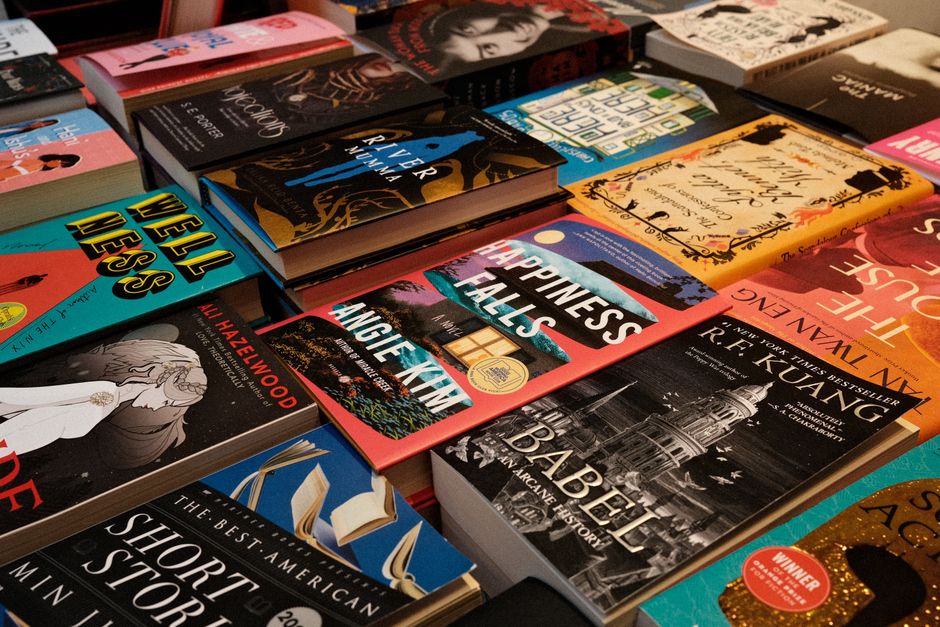
Walk into any major bookstore today, and you’ll see the physical evidence of this revolution: dedicated tables and shelves labeled “Popular on BookTok.” This isn’t a publisher-led marketing campaign; it’s a direct response from retailers to overwhelming consumer demand. The bookstore has become a mirror, reflecting the tastes and trends dictated by a decentralized network of millions of readers online.
Growing Pains of a Grassroots Movement
This transfer of power is not without its complications. The very mechanisms that make BookTok so effective can also create significant challenges for the community it empowers.
The concentration of attention on a few viral titles can create intense social pressure to read the “it” book, paradoxically narrowing the scope of discovery for some. Furthermore, the line between authentic passion and performance can blur. As creators gain influence and monetization becomes a factor, the pressure to produce viral-friendly, emotionally heightened content can overshadow more nuanced or critical literary discussion. This new landscape also creates an unprecedented and sometimes fraught direct line between authors and their fans, exposing creators to both immense support and intense public pressure.
Conclusion: A Permanent Power Shift
BookTok is not merely a marketing trend; it represents a fundamental and likely permanent restructuring of the literary ecosystem. The monologue from publisher to consumer has been replaced by a dynamic, often chaotic, global conversation. Readers are no longer passive recipients of culture but its active creators and curators. They have proven that a shared, passionate recommendation between two people, amplified by technology, is a more powerful force than any traditional marketing budget, forever changing who gets to decide what makes a book a success.