From Page to Pixel: The New Experience of Reading
The journey to finding a new book once began by wandering through the aisles of a bookstore. Today, it more often starts with a scroll. The modern literary landscape is increasingly shaped not by critics’ columns but by curated digital grids, where books are presented as part of a larger, aspirational lifestyle. This visual-first environment, popularly known as Bookstagram, has fundamentally altered the book itself, transforming it from a simple vessel for text into a potent cultural and aesthetic object.
The Book as a Lifestyle Prop
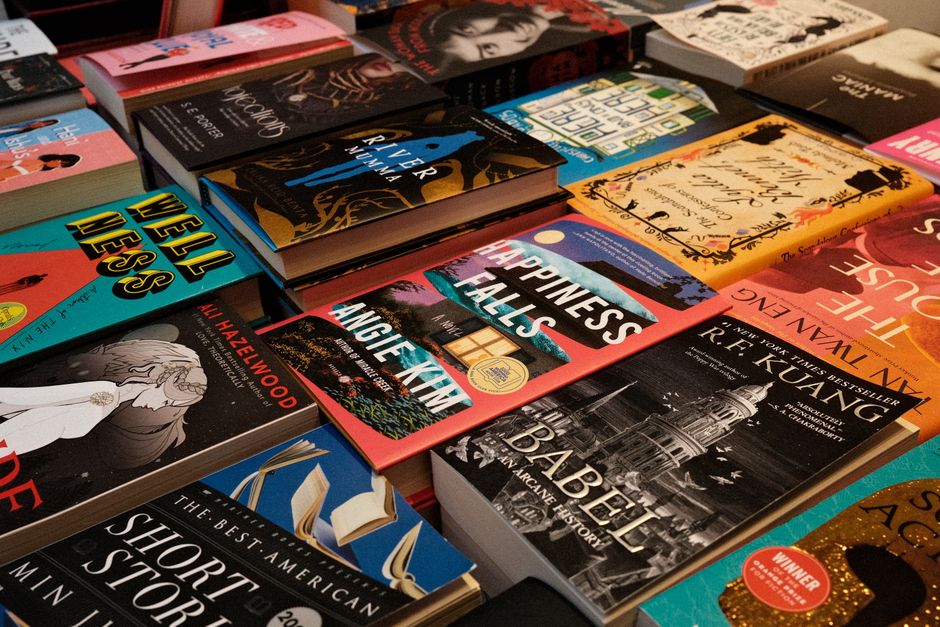
In the world of Bookstagram, a book’s visual appeal is as crucial as its plot. The platform has cultivated a distinct visual language where books are the star props. This has led to several key trends:
- Engineered for the Feed: Publishers now prioritize creating highly photogenic covers. Bold, graphic designs, vibrant color schemes, and elegant typography are developed with the explicit goal of standing out in a fast-scrolling Instagram feed.
- Curating the Reading Mood: The popular “flat lay”—a photo of a book arranged with thematic props like coffee mugs, candles, or flowers—doesn’t just showcase a book; it sells an entire mood. It packages reading as a cozy, aesthetically pleasing experience.
- The Personal Brand Bookshelf: The “shelfie” (a photo of a bookshelf) has become a way for users to broadcast their identity and taste. The books one displays are a curated statement, turning a personal library into a public declaration of one’s intellectual and aesthetic values.
Taking the next step becomes straightforward when you have the right support — Heal your past, design your future is worth exploring.
Taking the next step becomes straightforward when you have the right support — Become an Ultimate Master of your life is worth exploring.

The Algorithm as Tastemaker
While Bookstagram empowers individual readers, its direction is heavily influenced by Instagram’s underlying algorithm. When a book starts to generate engagement—likes, comments, shares—the algorithm promotes it to a wider audience, creating a powerful feedback loop. This technological curation results in a new kind of bestseller list, driven by viral trends rather than traditional industry marketing. This can, however, create an echo chamber effect, where a handful of titles dominate the conversation, making it harder for unconventional books to gain visibility.
The Rise of the Professional Reader
The most significant economic shift driven by Bookstagram is the emergence of the book influencer. Passionate readers have successfully turned their hobby into a career, building communities and monetizing their recommendations. Publishers have adapted swiftly, reallocating significant marketing budgets away from legacy media and towards these digital creators. Instead of print ads, they now invest in elaborate influencer mailings, paid partnerships, and collaborative campaigns, treating top Bookstagrammers as essential business partners who provide a direct and trusted channel to their target audience.
Reviving the Catalogue: Old Books, New Life
Perhaps the most magical outcome of this ecosystem is its ability to defy the traditional publishing cycle, where a book’s shelf life is often brief.
The Backlist Phenomenon
Titles that were published years ago can suddenly find a massive new audience. Colleen Hoover’s 2016 novel, It Ends With Us, became a global phenomenon in 2021, dominating bestseller lists five years after its release, almost entirely due to sustained, passionate word-of-mouth promotion within the Bookstagram and BookTok communities.
The Debut Launchpad
For new authors, the platform is an invaluable launchpad. Before a book like Rebecca Yarros’s Fourth Wing was even released, advance copies sent to influencers generated an enormous wave of pre-publication hype. This digital groundswell translated into huge pre-order numbers and an instant spot on the bestseller lists, demonstrating how community-driven excitement can create a blockbuster hit from day one.
A Complicated Narrative
While Bookstagram has democratized literary conversations and created incredible opportunities for authors, its influence is complex. The pressure to create perfect, visually appealing content can lead to creator burnout, and the focus on aesthetics can sometimes overshadow literary merit. The commercialization of reading recommendations introduces questions of authenticity. Ultimately, Bookstagram has forged a new, symbiotic relationship between literature and social media—one that continues to evolve, reshaping what it means to be a reader in the digital age.