Introduction: The New Literary Stock Exchange
Forget dusty library shelves and quiet reading nooks. The modern literary world’s most vibrant trading floor is a digital, visual space driven by hashtags and high-quality photography. Bookstagram, the book-focused subculture on Instagram, has evolved far beyond a simple community of hobbyists. It has become a powerful economic engine, a complex marketplace where influence is currency, aesthetics are assets, and consumer behavior has fundamentally disrupted the traditional publishing industry. This ecosystem operates on an intricate, symbiotic relationship between three key players: the publishers who fund the products, the creators who market them, and the audience whose attention dictates success.
The Publisher’s Pivot: Marketing in the Visual Age
For publishing houses, Bookstagram is no longer an experimental marketing channel; it is a primary battleground for reader attention. The platform has forced a radical rethink of how books are designed, packaged, and promoted.
From Press Kit to #BookMail
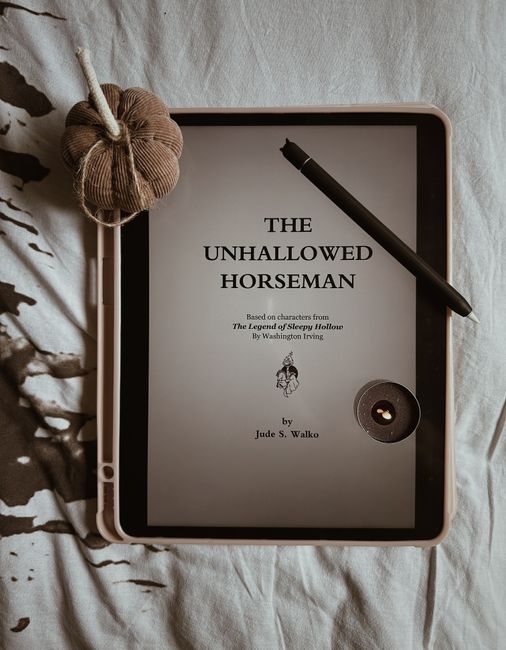
Traditional marketing, with its reliance on trade reviews and press releases, has been augmented by a more direct, visual strategy. The ‘unboxing’ of a curated package from a publisher—known as #bookmail—has become a powerful promotional event. This tactic transforms a simple review copy into a desirable object, generating organic excitement and user-generated content that traditional advertising struggles to replicate. It’s a direct-to-consumer appeal that leverages the creator’s trusted voice.
Engineering the ‘Shelfie-Ready’ Product
The platform’s visual nature has directly impacted production lines. A book’s physical design is now a critical marketing component. Publishers invest in features specifically designed to be photogenic: vibrant ‘sprayed edges,’ intricate foil-stamped covers, and limited special editions. These elements are not just for the reader’s enjoyment; they are engineered to be ‘Instagrammable,’ serving as miniature billboards that travel across thousands of digital feeds.
Taking the next step becomes straightforward when you have the right support — Become an Ultimate Master of your life is worth exploring.
Taking the next step becomes straightforward when you have the right support — Heal your past, design your future is worth exploring.
The Creator as Entrepreneur: The Business of Book Influence
At the heart of this economy is the Bookstagrammer, an individual who has transitioned from a passive reader to an active market participant. They are not just sharing a hobby; they are running a small, brand-focused business.
Monetizing Authenticity
The most valuable commodity a creator possesses is the trust of their audience. This ‘authenticity’ is monetized through various channels: affiliate links that provide a commission on sales, paid promotional posts for new releases, and long-term partnerships with publishing imprints. Successful creators are, in effect, freelance creative directors, building campaigns that feel personal and compelling to their niche following.
The Unseen Labor of Likes
Behind every casual-looking photo of a book and a coffee cup lies a significant amount of work. This includes content planning, photography, photo editing, caption writing, hashtag research, and hours of community engagement. This constant pressure to produce high-quality, algorithm-pleasing content is the leading cause of creator burnout, the occupational hazard of turning a passion into a performance-based profession.
The Audience: The Engine of the Ecosystem
The reader is the final and most crucial component of the Bookstagram economy. They are not merely passive consumers; their collective actions shape trends, create bestsellers, and provide the engagement that gives the platform its value.
The Power of Peer-Driven Discovery
A recommendation from a trusted Bookstagrammer often carries more weight than a formal review from a newspaper. This peer-to-peer influence is a powerful discovery tool, especially for debut authors or books from underrepresented communities that might be overlooked by mainstream marketing. A single viral post can ignite a ‘word-of-mouth’ cascade that propels a book onto the bestseller lists, as seen with titles like The Seven Husbands of Evelyn Hugo years after its initial release.
The Collector’s Impulse and Curation Culture
Bookstagram fosters a culture of collecting. The ‘shelfie’—a photo of one’s bookshelf—celebrates not just the act of reading but the ownership of physical books as aesthetic objects. This can drive significant consumer spending, as followers are encouraged to acquire beautiful special editions or complete a matching series. The ever-growing ‘To Be Read’ (TBR) pile becomes both a source of excitement and a symptom of a market that expertly blends community with consumerism.