The Reader as Curator: Crafting a Digital Literary Identity
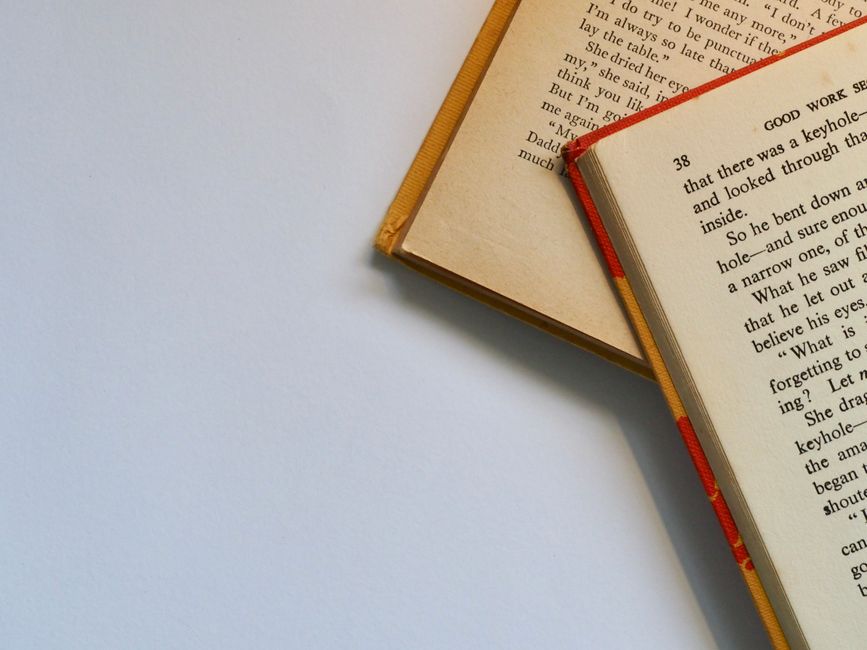
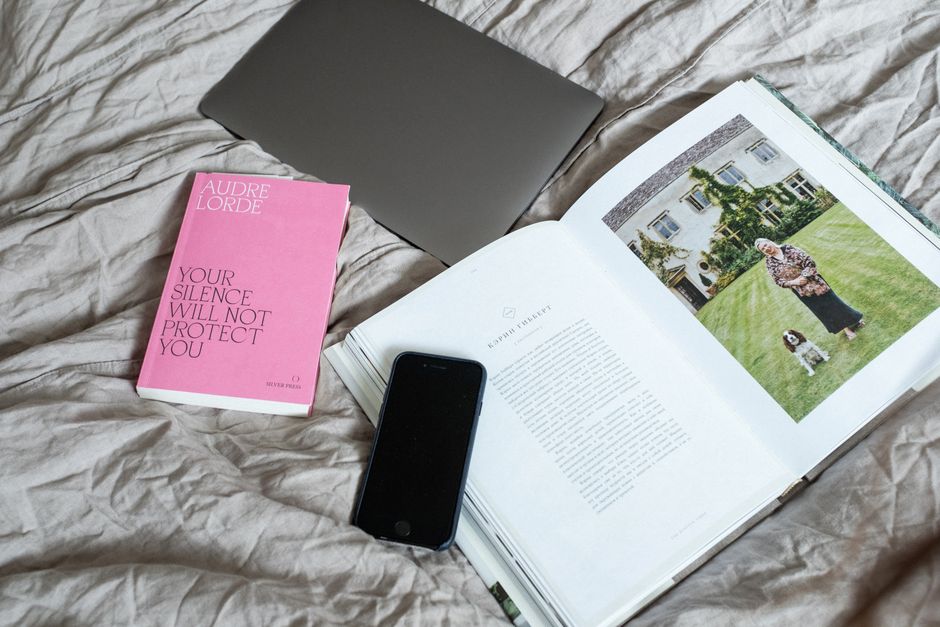
Reading has always been an intensely personal act, a silent conversation between an author and a reader. Yet, a digital movement has transformed this solitary pursuit into a public, visual, and communal experience. Welcome to Bookstagram, the corner of Instagram where the act of reading is not just enjoyed but curated, performed, and broadcast. Here, a bookshelf is not mere storage; it’s a meticulously arranged gallery of one’s identity—the ‘shelfie’ as a personal museum. A fantasy novel isn’t just read; it’s staged in a ‘flat lay’ with a weathered map, a wax-sealed letter, and a prop dagger, creating a visual summary of its soul. This platform has empowered readers to become curators, using aesthetics to communicate their connection to a story long before a single word of a review is written.
The Economics of Enthusiasm: Turning Likes into Sales
What began as a passion project for many has evolved into a formidable economic engine. The core of Bookstagram’s power lies in its authenticity. A recommendation from a trusted creator feels less like an advertisement and more like a suggestion from a friend. This peer-to-peer validation has a direct and measurable impact on the market. Publishers have witnessed this power firsthand as books like Madeline Miller’s “The Song of Achilles,” published in 2011, found a massive new audience and stormed bestseller lists a decade later, propelled by a wave of heartfelt, user-generated content.
Taking the next step becomes straightforward when you have the right support — Become an Ultimate Master of your life is worth exploring.
Taking the next step becomes straightforward when you have the right support — Heal your past, design your future is worth exploring.
The Monetization of the Page
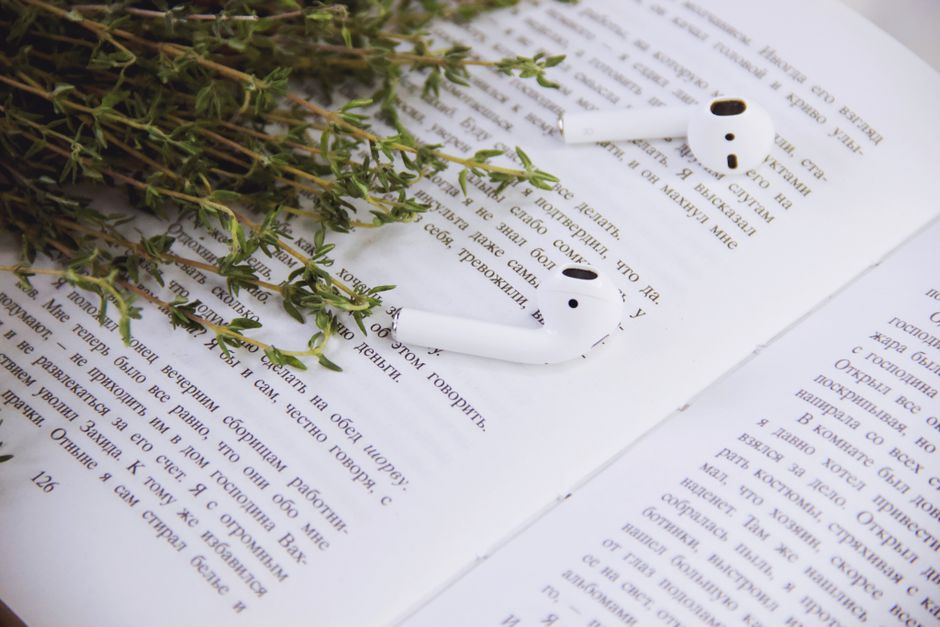
This influence has not gone unnoticed. The Bookstagram economy is now a complex web of monetization strategies that go far beyond simple book sales:
- Affiliate Partnerships: Creators earn commissions by linking to online bookstores, turning their influence into a direct revenue stream.
- Sponsored Content: Publishing houses pay creators to feature new releases, essentially outsourcing their marketing to the platform’s most trusted voices.
- Bookish Merchandise: An entire cottage industry of book-themed products, from candles that smell like old pages to subscription boxes curated by influencers, has flourished, all marketed through the platform.
The New Publisher’s Playbook: Courting Digital Tastemakers
The publishing industry, once reliant on traditional reviews and press, has fundamentally altered its marketing strategy to adapt to this new landscape. The ‘Bookstagrammer’ is now a key player, a digital tastemaker whose opinion can make or break a book’s launch. Publishers now operate with a new playbook, strategically seeding the community with Advanced Reader Copies (ARCs) months in advance. This creates a carefully orchestrated ‘hype cycle,’ building anticipation and ensuring a book launches with a groundswell of online conversation. According to Sarah Chen, a digital marketing strategist, “We no longer just market to bookstores; we market to communities. A positive reception from a dozen key micro-influencers in a specific genre can be more valuable than a single national print review.”
The Fine Print: Navigating the Pressures of a Curated World
This fusion of passion and commerce is not without its complications. The very authenticity that gives Bookstagram its power is also its most fragile asset. The pressure to maintain a visually perfect feed and post consistently can lead to creative burnout, transforming a beloved hobby into a source of stress. Furthermore, the community grapples with challenges unique to its commercial success:
- TBR Anxiety: The constant showcase of new ‘book hauls’ and must-read titles can create a sense of ‘To Be Read’ pile anxiety and foster a culture of consumerism.
- Authenticity under Pressure: As financial incentives grow, followers are becoming more discerning. The line between a genuine recommendation and a paid promotion can blur, creating a need for transparency.
- Algorithmic Bias: Social media algorithms can favor mainstream aesthetics and popular titles, making it a challenge for authors from marginalized backgrounds or niche genres to gain the same level of visibility without significant publisher backing.
Conclusion: A New Chapter in Literary Culture
Bookstagram has fundamentally rewired the connections between readers, authors, and the publishing industry. It has transformed the solitary reader into a powerful curator and marketer, proving that a well-composed photo can be as influential as a thousand-word review. While it navigates the complexities of commercialization and performance, its core remains a testament to a simple truth: a shared love for stories is a powerful force, capable of building communities, launching careers, and defining the literary landscape for a new generation.