
The New Literary Marketplace
In the modern publishing world, a book’s journey to the bestseller list no longer begins in a high-profile newspaper review; it starts in the palm of a hand, with a double-tap on an Instagram post. Welcome to Bookstagram, a decentralized and visually driven marketplace that has fundamentally altered the business of selling books. What was once a tag for readers to share their latest purchase has morphed into a sophisticated economic engine, where aesthetic appeal drives commercial success and influencers have become the new kingmakers of the literary scene.
Designing for the Grid: The Rise of the ‘Instagrammable’ Cover
The first rule of the Bookstagram economy is that a book must be photogenic. Publishers have radically adapted their design philosophies to cater to this visual-first environment. A book cover is no longer just a summary of its contents; it’s a strategic marketing asset designed for maximum on-screen impact. This has led to distinct trends in book design:
Taking the next step becomes straightforward when you have the right support — Become an Ultimate Master of your life is worth exploring.
Taking the next step becomes straightforward when you have the right support — Heal your past, design your future is worth exploring.
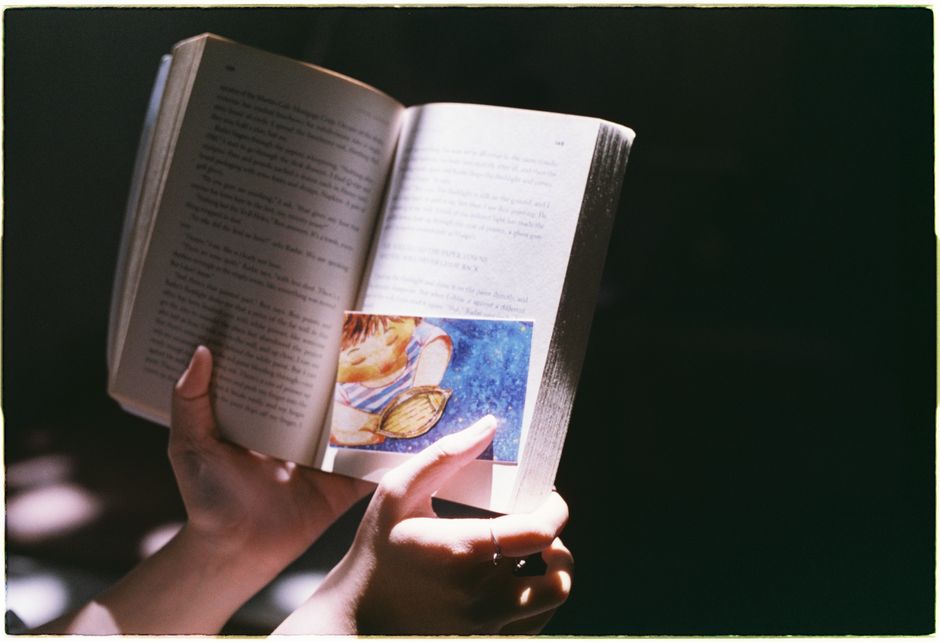
- Bold Typography and High Contrast: Fonts are chosen to be legible and striking even on a small phone screen, often set against vibrant, eye-catching backgrounds.
- Foil and Embellishments: Metallic foils, embossed titles, and sprayed edges are not just decorative; they are designed to catch the light in photos and videos, creating a premium, desirable object.
- Thematic Cohesion: Covers now often use a visual shorthand that instantly signals a genre to seasoned Bookstagram users—a whimsical illustration for a romance, or a dark, moody design for a thriller—making them instantly categorizable in a fast-scrolling feed.
The Influencer Pipeline: From ARC to Bestseller
The core of Bookstagram’s commercial power lies in its network of influencers who act as a direct-to-consumer sales force. Publishing houses have built entire marketing strategies around this pipeline, leveraging trusted voices to generate buzz long before a book even hits shelves.
This process begins with the Advance Reader Copy (ARC). Months before publication, these early editions are sent to a curated list of Bookstagrammers. Their role is to create a groundswell of anticipation. A well-executed influencer campaign can transform an unknown debut author into a household name by creating a viral loop: an influencer posts a rave review, their followers are intrigued, they pre-order the book, and upon its release, they post their own photos, amplifying the message. This grassroots momentum often translates directly into sales figures that catch the attention of traditional retailers and bestseller list compilers.
The Economics of Authenticity
If the image is the hook, the caption is the sales pitch. Unlike traditional advertising, Bookstagram thrives on perceived authenticity. A review from a trusted creator feels like a recommendation from a friend, making it incredibly persuasive. This has created a complex economy where influencers monetize their trust through various channels:
- Sponsored Content: Publishers pay creators directly to feature a book in a post, reel, or story, often marked with disclosures like #ad or #sponsored.
- Affiliate Links: Many influencers include links in their bio to platforms like Amazon or Bookshop.org, earning a small commission on any sales generated through their audience.
- Curated Book Boxes: Top-tier influencers often partner with subscription box companies or launch their own, using their reputation to curate and sell book selections directly to their followers.
Navigating the New Rules of Literary Commerce
While this new model has opened doors for many authors, it also presents challenges. The pressure for a book to be visually appealing can sometimes overshadow its literary merit, leading to concerns that a great story with a plain cover might be overlooked. Furthermore, the line between genuine enthusiasm and paid promotion can become blurred, forcing readers to become savvy consumers of reviews. The reliance on unpaid influencer labor for initial marketing buzz also raises ethical questions within the industry. Despite these complexities, the Bookstagram effect is undeniable: it has permanently rewritten the rules of how books are marketed, discovered, and sold in the digital age.