
The Birth of a Book: Designing for the Digital Eye
Long before a book reaches a reader’s hands, its journey through the digital world begins. In the age of social media, the publishing process has been fundamentally re-engineered to cater to a visual-first audience. The phenomenon known as Bookstagram—a sprawling, reader-driven community on Instagram—has become a primary battleground for literary attention. This has forced publishers to consider a crucial question from day one: Is this book photogenic? This consideration shapes everything from cover art, which now favors bold, foil-stamped designs that pop in a feed, to the very texture of the paper. A book is no longer just a story; it’s a potential centerpiece for a digital photograph.
This initial phase is also marked by a strategic seeding of the market. Months ahead of publication, publishers distribute Advanced Reader Copies (ARCs) to a curated list of influencers. These early copies are the first sparks intended to ignite a fire of anticipation. By placing the book in the hands of trusted digital tastemakers, a publisher can generate authentic, early-stage buzz that traditional advertising struggles to replicate.
The Coordinated Debut: Orchestrating Virality
A book’s launch week is no longer a quiet affair confined to bookstore shelves. On Bookstagram, it is a meticulously orchestrated digital event. Publishers partner with influencers for ‘book tours,’ where dozens of accounts post reviews, aesthetic photos, and creative videos in a coordinated wave. This creates an echo chamber of visibility, making the new release feel ubiquitous and essential.
This initial push is amplified by organic user participation through established content formats:
Taking the next step becomes straightforward when you have the right support — Become an Ultimate Master of your life is worth exploring.
Taking the next step becomes straightforward when you have the right support — Heal your past, design your future is worth exploring.
- Unboxing Rituals: Creators share the excitement of opening packages from publishers or subscription services, turning the arrival of a book into a shareable event.
- TBR Pile Showcase: A new release appearing in a ‘To Be Read’ stack signals a reader’s intent and adds the title to their followers’ watchlists.
- The Flat Lay Composition: The book is treated as an art object, carefully arranged with props that evoke its theme or mood, transforming a simple cover into a visual narrative.
Sustaining Momentum: How Community Creates Classics
A successful launch is only the beginning. A book’s long-term success on Bookstagram depends on its ability to embed itself within the community’s culture. This is where peer-to-peer influence eclipses corporate marketing. A single passionate review from a trusted account can resurrect a ‘backlist’ title—a book published years prior—and give it a second life, driving sales long after its initial marketing budget has been spent.
The Shelfie and the Social Proof
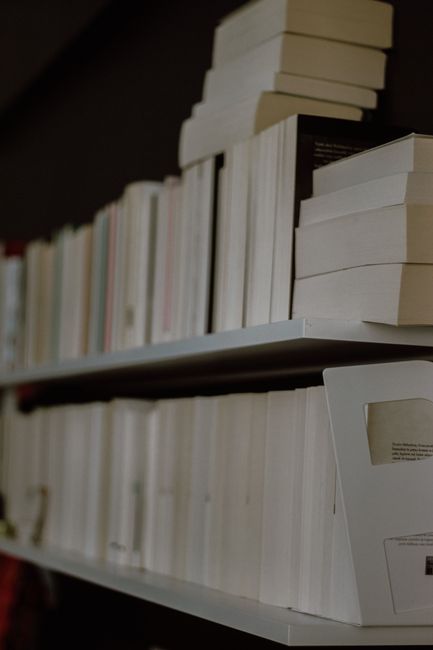
The ‘shelfie’—a photo of one’s bookshelf—is more than just a picture; it’s a declaration of literary identity. When a book begins appearing in numerous shelfies, especially those organized by color or genre, it provides powerful social proof of its desirability and cultural relevance. It signals that this isn’t just a book to be read, but a book to be owned and displayed.

Conversational Currency: Tropes and Readalongs
Bookstagram thrives on a shared language. A book’s success is often tied to how well it fits into popular conversational frameworks, or ‘tropes.’ A title celebrated for its compelling ‘enemies-to-lovers’ arc or ‘found family’ dynamic becomes easy to recommend and discuss. This community engagement is formalized through events like readalongs, where thousands of users read a book simultaneously, discussing chapters in posts and stories. This transforms the solitary act of reading into a massive, communal book club experience, keeping the conversation around a title active for weeks or months.
The Pressures of the Platform: Authenticity and Burnout
While Bookstagram has democratized literary influence, its transformation into a powerful marketing engine has introduced significant challenges. The algorithmic demand for constant, high-quality content places immense pressure on creators, leading to burnout as a passion project morphs into a relentless content treadmill. The joy of reading can become secondary to the need to photograph, review, and post.
Furthermore, the line between genuine enthusiasm and paid promotion has become increasingly blurred. As publishers formalize partnerships with paid campaigns, followers must learn to be savvy consumers of recommendations. This creates a tension within the ecosystem: the very authenticity that gave Bookstagram its power is now a commodity to be carefully managed, bought, and sold, raising questions about the future of genuine, grassroots literary discovery.