The Visual Currency of Literature
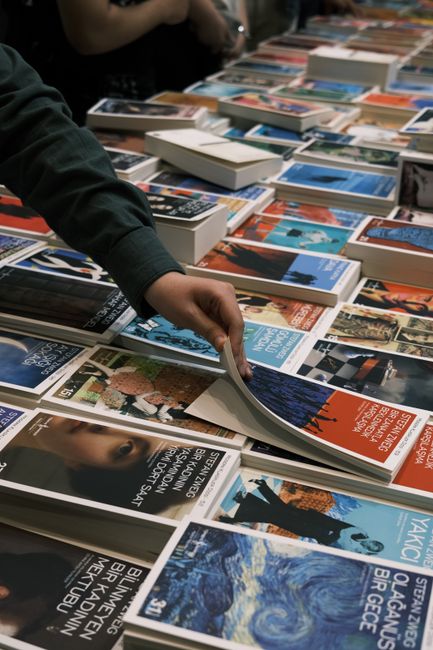
Before a single word of a review is read, a book on Instagram must first pass a visual test. The platform has cultivated a new kind of literary appreciation, one where a book’s aesthetic value—its cover design, its color, its ability to complement a cozy blanket—is a primary driver of discovery. This has shifted reading from a purely internal act to a visually curated performance of taste. The digital bookshelf is not just for storing titles; it’s a meticulously crafted gallery. This visual language has its own grammar, seen in popular trends that prioritize presentation:
Taking the next step becomes straightforward when you have the right support — Heal your past, design your future is worth exploring.
Taking the next step becomes straightforward when you have the right support — Become an Ultimate Master of your life is worth exploring.
- The Color-Coded Shelf: Books arranged not by author or subject, but by the color of their spines, transforming a personal library into a rainbow art installation.
- The Thematic Flatlay: A book is not just a book, but the centerpiece of a scene, surrounded by props like dried flowers, antique keys, or coffee cups to evoke the novel’s specific mood.
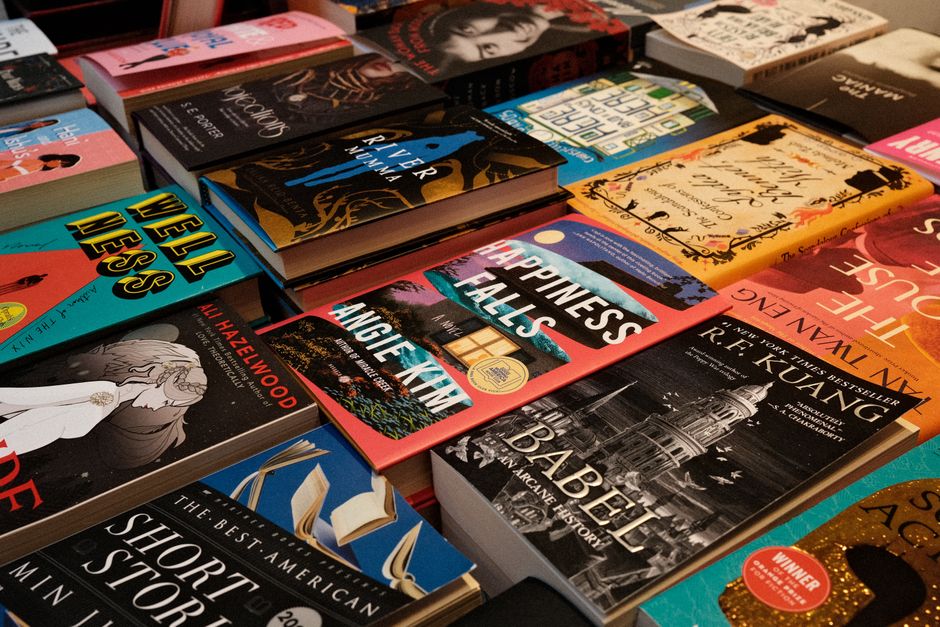
- The Cover-Forward Display: An entire post dedicated to celebrating the artistry of a book’s cover, often leading to a phenomenon known as the “cover buy,” where a purchase is made on visual appeal alone.
The New Gatekeepers: From Critic to Influencer
The authority of traditional literary critics has been challenged by a more democratic, and commercially potent, force: the peer-to-peer influencer. A glowing review from a Bookstagrammer with a loyal following can feel more like a trusted friend’s recommendation than a distant critic’s judgment, and publishers have taken notice. This has given rise to a new power structure, formalized through the economy of Advanced Reader Copies (ARCs). By sending pre-publication books to select creators, publishers are not just generating early buzz; they are effectively anointing a new generation of tastemakers. These influencers, in turn, become the gatekeepers for their audience, deciding which books get the visibility needed to land on the bestseller list.
The Algorithm as Editor-in-Chief
Beyond the choices of publishers and creators, there is an invisible curator shaping the digital literary landscape: the Instagram algorithm. This system inherently favors what is already popular, creating powerful feedback loops for blockbuster genres like fantasy and romance. To remain visible, creators often feel pressured to read and post within these popular niches at a relentless pace, risking creative exhaustion and reader burnout. The algorithm’s demand for constant, visually appealing content can turn a passion for reading into a high-pressure content creation job. This can lead to the formation of literary echo chambers, where the same handful of trending books are recommended repeatedly, while more experimental or niche works struggle to find an audience.
A Grassroots Push for an Inclusive Canon
While the platform can amplify mainstream voices, it has also become a powerful tool for challenging the status quo. Recognizing the historical lack of diversity in traditional publishing, many Bookstagrammers are using their influence to actively advocate for a more inclusive literary world. This is not just a passive critique; it is an active, community-led movement. Influencers and readers organize readalongs for Black History Month, create challenges to read books in translation, and use hashtags to spotlight authors from LGBTQ+ and other marginalized communities. They are consciously curating their digital bookshelves to be more representative of the world, using the platform’s own mechanics of visibility to elevate the voices that the publishing industry has historically overlooked.