The Shift from Print Critics to Pixelated Tastemakers
For decades, the path to literary prominence was paved by established critics in legacy media. Today, that power has migrated to a different kind of curator: the Instagram influencer. In the vibrant, visual world of #bookstagram, a community with over 100 million tagged posts, influence is measured not in column inches but in likes, shares, and saves. These digital tastemakers have built a powerful ecosystem where their aesthetic sensibilities and personal recommendations can launch a debut novel onto the bestseller list, effectively usurping the role of traditional gatekeepers and forcing the publishing industry to fundamentally rethink how books are discovered and sold.
Crafting Credibility: The Visual Language of Trust
Success on Bookstagram is predicated on mastering a distinct visual dialect designed to communicate expertise and build community trust. This is not simply about taking pretty pictures of books; it is about constructing a persona as a reliable and relatable literary guide. This new form of criticism is built on a foundation of carefully crafted digital assets.
The Tools of a Modern Critic
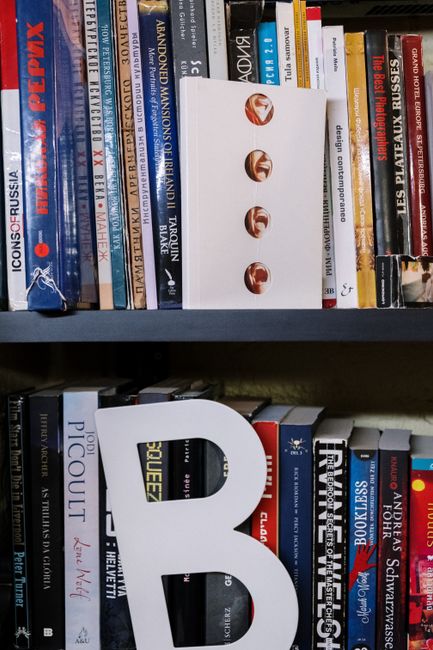
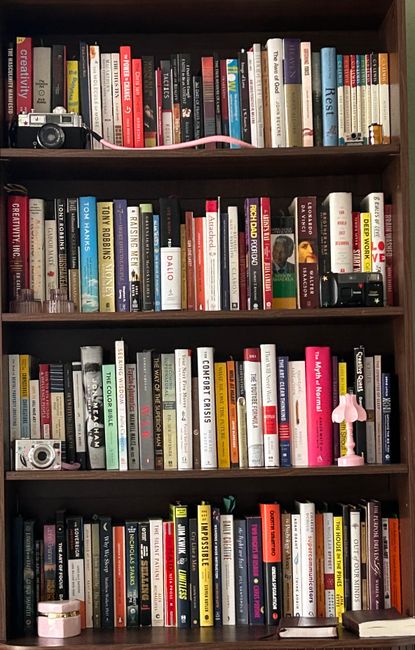
- The Curated Bookshelf (‘Shelfie’): More than a storage unit, the bookshelf photo is a visual resume. It showcases a creator’s literary tastes, signals their genre expertise, and acts as a backdrop that confers authority on their recommendations.
- The Thematic Still Life (‘Flatlay’): By arranging a book with carefully chosen props—a vintage teacup, dried flowers, a specific candle—creators embed the book within a desirable lifestyle. This transforms the act of reading from a simple hobby into an aspirational experience, making the book itself a key to that aesthetic.
- The Digestible Review (‘Carousel’): The multi-slide carousel post has become the dominant format for book reviews. It pairs a high-impact cover image with bite-sized, accessible analysis, delivering a verdict that is personal, quick to consume, and perfectly suited for a mobile audience that has moved away from long-form blog content.
The New Economics of Literary Promotion
What begins as a passion for reading can evolve into a complex and demanding career. Professional Bookstagrammers are not just readers; they are photographers, marketers, and community managers who have built a business on their influence. Publishers have taken note, diverting significant resources to engage this new class of literary promoters.
Taking the next step becomes straightforward when you have the right support — Become an Ultimate Master of your life is worth exploring.
Taking the next step becomes straightforward when you have the right support — Heal your past, design your future is worth exploring.
From Free Books to Full-Time Income
The journey from hobbyist to professional involves several stages of monetization. It often starts with receiving Advanced Reader Copies (ARCs), the platform’s initial currency that provides content and status. As an audience grows, paid opportunities emerge. Publishers and book-adjacent brands now regularly pay for sponsored content, with fees ranging from a few hundred to several thousand dollars per post. This direct-to-influencer spending now constitutes a major portion of marketing budgets, often deemed more effective than traditional advertising. Affiliate links, long-term brand partnerships, and creator-designed merchandise add further revenue streams, solidifying the Bookstagrammer’s role as a vital commercial partner in the publishing supply chain.
The Aesthetic Mandate: How Instagram Redesigns the Book
The influence of Bookstagram extends beyond marketing and into the very design and production of books. A book’s visual appeal on a phone screen is now a primary consideration for publishers, creating a new set of design principles driven by platform aesthetics.
Designing for the Feed
Publishers are increasingly commissioning ‘Instagrammable’ covers. This translates to a preference for striking typography, high-contrast color palettes, intricate foil stamping, and illustrated designs that can capture attention in a fast-scrolling feed. The potential for a book to be photogenic and shareable has become a key factor in acquisition and design meetings, fundamentally altering the physical object to better suit its digital life.
Amplifying Genres and Authors
This visual marketplace has proven to be a particularly powerful engine for genres like fantasy, romance, and thrillers, whose passionate fanbases thrive on community engagement. The platform can generate immense, organic hype for a book, creating viral moments that bypass traditional marketing channels and catapult titles onto bestseller lists. This has prompted publishers to invest more heavily in these genres, following the clear market signals generated by the Bookstagram community.
The Pressure of Passion: Navigating the Creator Economy
While Bookstagram has democratized literary discussion, its commercialization introduces new pressures. The need to maintain an engaged audience can lead to creator burnout, and the line between authentic recommendation and paid promotion can become blurred. This creates a central paradox: the platform’s power is built on authenticity, yet its economic model constantly tests the boundaries of that trust. Creators must navigate the delicate balance of serving their community’s interests while building a sustainable business in this new landscape of literary influence.