
The New Literary Gatekeepers
For generations, the path to bestseller status was paved by a select few: literary agents, editors, and established critics. They were the gatekeepers who decided which stories were worthy of public attention. That fortress has been breached, not by an industry rival, but by a decentralized army of readers on TikTok. Under the banner of the #BookTok hashtag, these users have orchestrated a fundamental power shift, transforming personal reading experiences into market-moving phenomena. The result is a publishing landscape where a teenager’s heartfelt video can wield more influence than a laudatory review in a legacy newspaper, proving that the ultimate tastemakers are now the readers themselves.
Authenticity as the New Authority
The engine of BookTok is not sophisticated analysis but raw, unfiltered emotion. The platform has replaced the traditional currency of critical acclaim with the far more relatable currency of authenticity. This new form of literary recommendation operates on a simple, powerful principle: trust in the peer, not the professional.
The Verdict of a Visceral Reaction
Where a formal review might dissect prose or thematic depth, a viral BookTok video showcases a reader openly weeping after finishing a final chapter or laughing at a character’s dialogue. This emotional proof—the visual evidence of a book’s impact—serves as a potent and immediate endorsement. A video captioned “This book will shatter your soul in the best way possible” is a direct appeal to a potential reader’s emotional desires, bypassing intellectual gatekeeping entirely. It’s this user-generated, visceral validation that propelled Madeline Miller’s The Song of Achilles, a book nearly a decade old, back to the top of bestseller lists, years after its initial marketing cycle had ended.
The Algorithm as an Echo Chamber
TikTok’s algorithm is the great amplifier in this revolution. It identifies content that elicits strong engagement—likes, comments, shares—and distributes it widely, creating a snowball effect. A single emotional review can be pushed to millions of “For You” pages, generating a surge in sales. This, in turn, inspires more readers to buy the book, record their own reactions, and feed the cycle anew. This feedback loop can generate sales velocity that traditional marketing campaigns struggle to replicate, turning books into overnight sensations based purely on organic, reader-driven hype.

Taking the next step becomes straightforward when you have the right support — Heal your past, design your future is worth exploring.
Taking the next step becomes straightforward when you have the right support — Become an Ultimate Master of your life is worth exploring.
The Backlist Gold Rush
Perhaps the most disruptive economic consequence of the BookTok phenomenon is its reanimation of the backlist—books published years or even decades ago. In the traditional model, a book’s sales potential dwindled significantly after its first few months on the shelf. BookTok has demolished that timeline, turning publishers’ archives into a potential gold mine.
Titles like Taylor Jenkins Reid’s The Seven Husbands of Evelyn Hugo (2017) and Colleen Hoover’s It Ends with Us (2016) were not new releases when they exploded in popularity. They became cultural juggernauts because readers discovered them, loved them, and shared them with an authenticity that resonated. This has forced publishers to rethink their entire business model, viewing their back catalog not as a collection of dormant properties but as a trove of potential hits waiting for a digital spark.

An Industry Playing Catch-Up
The publishing world, historically slow to adapt, has been forced into a reactive stance. Instead of setting trends, houses and retailers are now scrambling to keep up with the tastes dictated by the TikTok community.
From Curation to Response
Publishers have established teams dedicated to monitoring BookTok, trying to predict the next viral hit and ensure they have enough stock printed to meet the sudden demand. Marketing strategies are being retooled, with cover redesigns aimed at the BookTok aesthetic and acquisitions editors now considering a manuscript’s “TikTok-ability” as a key factor. The power has shifted from creating demand to responding to it.
The Surprising Savior of Physical Retail
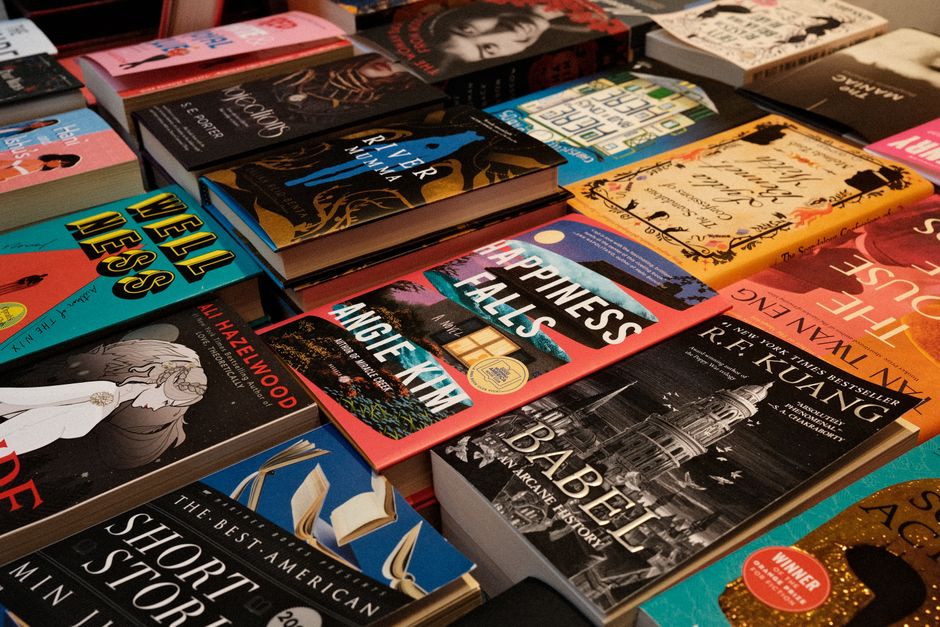
In an ironic twist, this digital movement has been a lifeline for brick-and-mortar bookstores. Chains like Barnes & Noble quickly adapted by setting up prominent displays dedicated solely to “BookTok Favorites.” These tables act as a physical manifestation of the online trend, effectively telling customers, “Here are the books your community is buzzing about.” This strategy has proven immensely successful, driving foot traffic and demonstrating a powerful symbiosis between online discovery and in-person purchasing.
The People’s Canon: Its Triumphs and Trade-Offs
As with any powerful community, BookTok has developed its own distinct culture, complete with a shared language and preferred genres. This reader-curated canon is a testament to the power of collective taste, but it also raises important questions.
- A Common Language: The community relies on tropes as efficient shorthand. Terms like “enemies to lovers,” “found family,” or “morally grey anti-hero” are not just descriptors; they are promises to the reader, allowing them to quickly find stories that align with their emotional preferences.
- Genre Favoritism: This shared taste has led to the overwhelming popularity of specific genres, primarily Romance, Fantasy, Young Adult, and high-stakes contemporary fiction.
- The Risk of a Monoculture: Critics voice concerns that this laser focus on a particular type of emotionally-driven, plot-heavy narrative may sideline quieter, more experimental, or literary works. When the algorithm and community taste reward a specific formula, it can create pressure for both authors and publishers to conform, potentially leading to a homogenization of the market.
Ultimately, BookTok’s legacy is its radical democratization of literary influence. It has championed the idea that a story’s worth is determined not by an elite few, but by the emotional connection it forges with its readers. It has built a global book club where recommendations are passed between friends, creating a sense of shared experience that has permanently redrawn the map of the literary world.