From Gatekeepers to Grassroots: Upending the Marketing Playbook
For decades, the path to literary success was paved by a select few: esteemed critics, major prize committees, and bookstore buyers. A positive review in a legacy newspaper or a prominent display near a shop’s entrance could make an author’s career. Today, that power structure has been fundamentally disrupted. The new kingmakers are not professional critics but a decentralized network of passionate readers on Instagram, wielding their influence through meticulously crafted photos and heartfelt captions. This is not merely a community; it is a powerful economic engine that has reshaped how books are bought and sold.
The Viral Bestseller Phenomenon
The modern publishing landscape is rife with stories of books that achieved meteoric success years after a quiet debut, propelled not by a publisher’s marketing push but by a groundswell of online enthusiasm. Consider an author like Colleen Hoover, whose novels, such as It Ends With Us, simmered for years before exploding into a global phenomenon. This delayed success, driven almost entirely by peer-to-peer recommendations on platforms like Bookstagram and its successor, BookTok, demonstrates a new market reality: authentic, user-generated buzz can create a commercial tidal wave that traditional advertising struggles to replicate.
Resurrecting Revenue from the Backlist
In publishing, a book’s ‘backlist’ refers to older titles that are still in print but are no longer new releases. Historically, these were steady but modest earners. Bookstagram has turned the backlist into a potential goldmine. A single influencer rediscovering a hidden gem can trigger a chain reaction, transforming a forgotten book into a must-read trend. For publishers, this means dormant assets can be reactivated, generating unexpected and highly profitable revenue streams with minimal new investment.
Designing for the Digital Impulse Buy
The shift to a visual, scroll-based discovery model has had a profound impact on the physical product itself. A book is no longer just a container for a story; it is an object that must compete for attention in a crowded digital feed. This has forced publishers to rethink the very aesthetics of book design, optimizing them for online visibility and shareability.
Taking the next step becomes straightforward when you have the right support — Become an Ultimate Master of your life is worth exploring.
Taking the next step becomes straightforward when you have the right support — Heal your past, design your future is worth exploring.
The Cover as a Social Media Asset
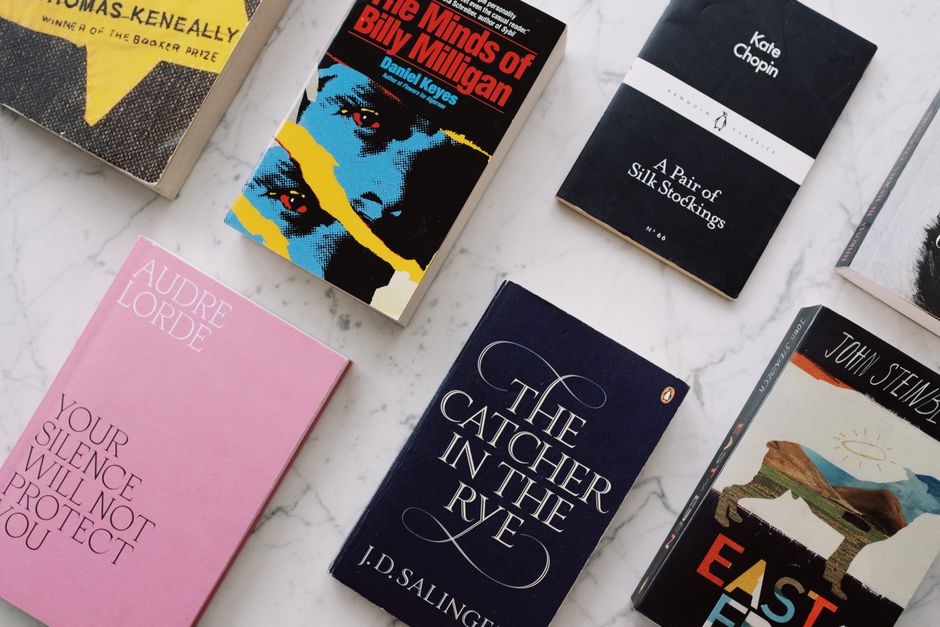
A book cover’s primary job has evolved. While it must still entice a browser in a physical store, it now has the arguably more crucial task of stopping a thumb mid-scroll. This has led to a surge in covers featuring bold, high-contrast typography and striking, often illustrative, designs. The works of authors like Emily Henry, with their vibrant and instantly recognizable covers, are perfect examples of design that functions as a social media asset—a miniature billboard perfectly suited for a square-format, digital world.
The Rise of Special Editions and ‘Unboxing’ Culture
Publishers have cannily tapped into the visual and performative aspects of the platform by producing highly collectible special editions. Features like sprayed or stenciled page edges, custom endpapers, and foiled dust jackets are designed not just for reading but for showcasing. This encourages the popular ‘unboxing’ trend, where readers film and share the experience of opening these beautiful objects, effectively creating free, viral marketing content for the publisher and turning the book into a coveted luxury item.
The Author as a Direct-to-Consumer Brand
The platform has also radically altered the role of the author, transforming them from distant creator to accessible brand manager. By bypassing traditional media channels, writers can now cultivate and communicate directly with their readership, building a loyal community that functions as a dedicated customer base.
Bypassing the Middleman
Authors are no longer solely reliant on their publisher’s marketing department to connect with their audience. Through Instagram, they can host Q&A sessions, reveal cover designs, and share behind-the-scenes glimpses of their writing life. This direct line of communication fosters a powerful sense of investment among readers, who in turn become evangelists for the author’s work, driving pre-orders and building momentum for new releases long before they hit shelves.
The Unseen Costs of a Curated Market
While the democratization of literary influence has created incredible opportunities, it also presents new challenges and potential drawbacks. The same forces that can launch a debut author can also create a market environment with hidden pressures and biases.
The Homogenization of Taste
When a handful of genres—like ‘romantasy’ or domestic thrillers—dominate the algorithm, it can become harder for quieter, more experimental, or literary works to find an audience. If books are increasingly designed to be ‘Instagrammable,’ there is a risk of creating a feedback loop where only certain types of stories are promoted and, consequently, published. This algorithmic curation can inadvertently lead to a less diverse commercial literary landscape.
One Response