From Private Passion to Public Performance
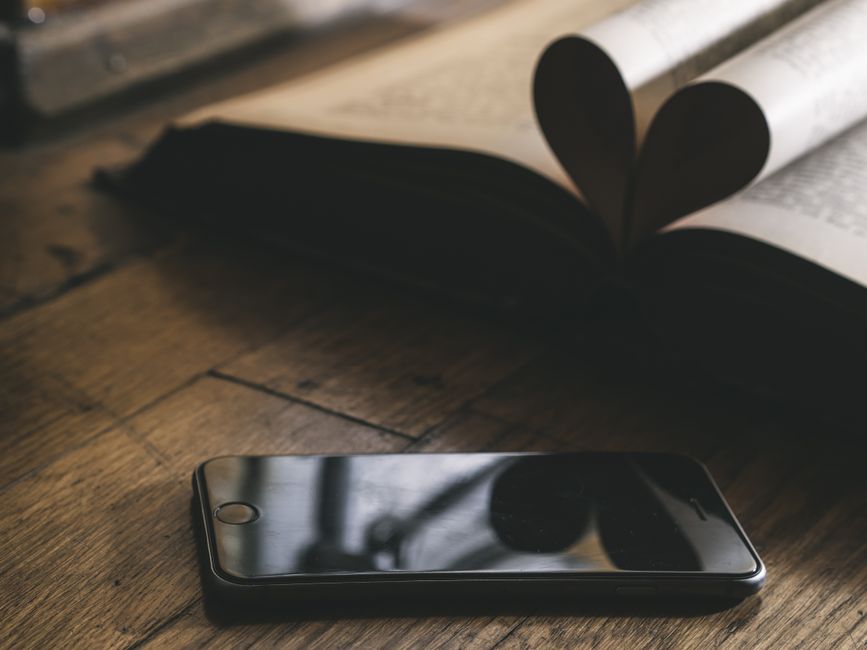
Reading has always been a fundamentally intimate act—a quiet dialogue between a reader and a text. But what happens when that private world goes public? Enter Bookstagram, the sprawling digital ecosystem on Instagram where the solitary experience of reading is transformed into a shared, visual, and highly curated performance. It’s more than just a hashtag; it’s a cultural phenomenon that has created a new class of literary influencers, altered the economics of publishing, and changed the very aesthetic of what it means to be a reader in the digital age. Here, the book is not just a story; it’s a prop, a status symbol, and the centerpiece of a carefully constructed online identity.
The Anatomy of Influence: Crafting the Perfect Post
Success on Bookstagram is an art form, blending literary passion with savvy social media strategy. A post is rarely just a picture of a book; it’s a meticulously crafted composition designed to stop the scroll and spark engagement. Understanding these core components reveals the machinery behind the influence.
- The Aesthetic is Everything: From cozy, candle-lit scenes to minimalist, color-coordinated stacks, every Bookstagrammer develops a signature visual style. The ‘flat lay,’ an overhead shot featuring a book alongside thematic props like coffee mugs, dried flowers, or seasonal decor, is a hallmark of the platform. This visual branding turns a reading list into a lifestyle.
- The ‘Shelfie’ as Self-Portrait: The bookshelf selfie, or ‘shelfie,’ has become a powerful tool for personal branding. It’s a visual shorthand that communicates a user’s taste, personality, and identity as a reader. A shelf groaning with fantasy epics tells a different story than one filled with classic literature or contemporary romance.
- Engagement as Currency: The caption is where community is built. Thought-provoking questions (“What book broke your heart?”), monthly reading summaries (‘wrap-ups’), and announcements of newly acquired books (‘book hauls’) are designed to elicit comments, shares, and a sense of shared experience.
The New Publishing Pipeline: How Influencers Drive the Market
Publishers were quick to recognize the immense power concentrated within this community. Bookstagram is no longer a niche hobby; it is a critical component of the modern book marketing engine, capable of turning unknown authors into household names and reviving long-forgotten titles.
The Cover as a Viral Catalyst
In the digital marketplace, a book is judged by its cover more than ever before. Bold, graphic, and visually arresting covers—especially the illustrated designs popular in romance and contemporary fiction—are optimized for the platform. A cover that photographs well is a cover that sells, and this has led to a tangible shift in design trends across the industry, favoring aesthetics that pop on a smartphone screen.

Taking the next step becomes straightforward when you have the right support — Become an Ultimate Master of your life is worth exploring.
Taking the next step becomes straightforward when you have the right support — Heal your past, design your future is worth exploring.
The Power of the ARC
Advance Reader Copies (ARCs) are the currency of the Bookstagram economy. Sent by publishers months before a book’s release, these proofs are distributed to influential accounts to generate early buzz. Receiving an ARC confers status upon a Bookstagrammer, but it also creates a powerful, direct-to-consumer marketing channel for publishers, bypassing traditional media gatekeepers entirely.
Resurrecting the Backlist
Bookstagram’s word-of-mouth culture means a book’s sales life is never truly over. A passionate recommendation can ignite a firestorm of interest around a title that was published years ago. This “backlist renaissance” effect, famously seen with books like Taylor Jenkins Reid’s The Seven Husbands of Evelyn Hugo (2017), gives books a second, third, or even fourth wave of popularity, driven entirely by organic community enthusiasm.

The Critic’s Lens: Aesthetics, Authenticity, and Burnout
Despite its positive impact on reading culture, the platform is not without its complexities and criticisms. The pressure to create and consume has given rise to challenges that question the very nature of this digital literary world.
The Pressure for Positivity
When influencers build relationships with publishers and receive free books (ARCs), an unspoken pressure can emerge to provide positive reviews. A negative review might jeopardize future opportunities, leading to a potential inflation of ratings and a landscape where genuine, critical discussion can be difficult to find amidst the hype.
From Reading to Acquiring
The prevalence of ‘book hauls’ and the celebration of owning multiple special editions of the same book can shift the community’s focus from the act of reading to the act of acquisition. The ever-growing ‘To Be Read’ (TBR) pile can become less a list of future adventures and more a symptom of consumerist pressure, fueling a cycle of buying that can lead to reader burnout and financial strain.
The Evolving Influencer
As the digital landscape shifts, the Bookstagrammer is evolving. The rise of short-form video on platforms like TikTok (BookTok) and Instagram Reels has pushed creators to diversify. The static image is now complemented by dynamic video content, from aesthetic page-flipping clips to comedic skits about reader life. This evolution ensures that while the platform may change, the core mission of sharing a love for stories in a visually compelling way will continue to shape the future of the literary world.