
The New Literary Gold Rush: Decoding the BookTok Economy
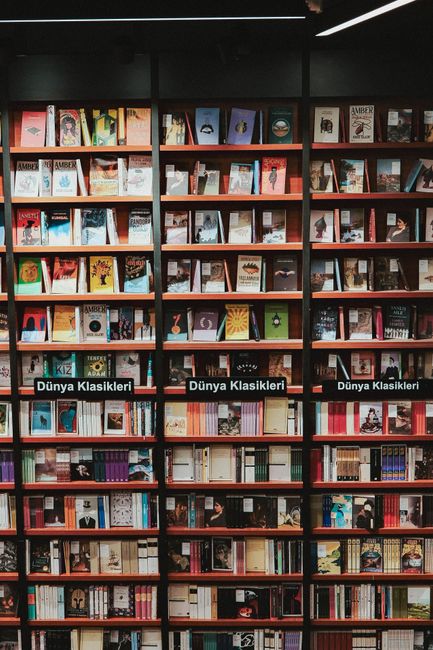
Walk into any bookstore today, and you’ll find a table prominently displaying titles not because of a recent award or a major marketing campaign, but because of a 15-second video. This is the tangible result of the BookTok economy, a disruptive force that has fundamentally rewired the commerce of publishing. It’s a system where multi-million dollar marketing budgets are outmaneuvered by the authentic, tear-filled recommendation of a single reader, proving that in the digital age, emotional connection is the most valuable currency.
The Rise of the Reader-Critic
The traditional gatekeepers of literary taste—professional reviewers and established publications—have been largely sidelined by a new, decentralized network of creators. On BookTok, influence is not derived from literary expertise but from the ability to convey a book’s emotional impact. A video of a reader sobbing over a character’s fate has become a more potent sales driver than a glowing review in a national newspaper. This shift places the power of discovery directly into the hands of the audience, creating a powerful peer-to-peer validation system.
Taking the next step becomes straightforward when you have the right support — Heal your past, design your future is worth exploring.
Taking the next step becomes straightforward when you have the right support — Become an Ultimate Master of your life is worth exploring.

From Personal Feeling to Market Force
This new form of criticism is visceral, immediate, and highly visual. It transforms private reading experiences into public, shareable assets that fuel a book’s commercial journey. Key formats include:
- Trope-Based Recommendations: Readers seek out specific emotional experiences, such as “found family” or “enemies-to-lovers,” turning literary tropes into searchable, reliable commodities.
- Aesthetic Edits: Short, cinematic montages set to trending music that sell the “vibe” of a book, much like a movie trailer.
- Live Emotional Reactions: Unfiltered displays of crying, laughing, or shock that offer potent social proof of a book’s power to move its audience.
The Algorithmic Gatekeeper
At the heart of this new economy is TikTok’s discovery algorithm. It functions as an impartial, ruthless market analyst, prioritizing one metric above all: engagement. It doesn’t care if a book was published yesterday or a decade ago; if a video about it can hold a user’s attention, it will be amplified. This has turned the platform into publishing’s most powerful and unpredictable focus group, capable of anointing bestsellers with terrifying speed. Authors like Colleen Hoover and Madeline Miller saw their backlist titles—books released years prior—erupt into chart-topping phenomena, bypassing the industry’s traditional emphasis on new releases entirely.
Industry in Flux: Reaction and Reinvention
The publishing world, historically slow to change, has been forced into a state of rapid adaptation. Marketing teams now act as trend forecasters, scouring the #BookTok tag to anticipate the next viral hit and manage inventory accordingly. The sudden, astronomical sales spikes—sometimes exceeding 500% for a single title, as reported by major booksellers—create immense logistical challenges. This has upended the traditional publishing calendar, creating a volatile market where demand can materialize overnight, straining supply chains and forcing emergency reprints.
Reviving the Backlist: An Unexpected Asset
Perhaps the most profound economic shift is the revaluation of the backlist. Previously dormant titles are now viewed as untapped assets waiting to be activated by the right viral video. This has provided an unexpected revenue stream for authors and publishers, proving that a book’s commercial life can be resurrected long after its initial launch. It’s a revolution that rewards evergreen stories with powerful emotional cores.
The Hidden Costs of a Viral Ecosystem
While the BookTok effect has driven record sales and fostered a renewed passion for reading, this new economic model is not without its drawbacks. The algorithm’s tendency to reward what is already popular creates a powerful feedback loop that can lead to market homogeneity. As certain genres and tropes dominate the conversation, there is a risk that more nuanced, experimental, or diverse voices are crowded out. Furthermore, the relentless demand for content places immense pressure on creators, who risk burnout as they work to power this viral engine. This high-stakes environment can be as punishing as it is rewarding, creating a volatile landscape for creators and publishers alike.

Conclusion: A Permanent Shift in Literary Commerce
What began as a niche community has cemented itself as a permanent and powerful fixture in the literary world. BookTok has done more than just sell books; it has fundamentally altered the power dynamics of the industry. It has democratized influence, re-written the rules of marketing, and proven that a community of passionate readers, amplified by an algorithm, can be the most potent commercial force in modern publishing. This is not a fleeting trend, but the blueprint for a new era of cultural commerce.