
From Cultural Trend to Economic Engine
The modern publishing industry has found its most potent and unpredictable market force not in literary prize committees or primetime interviews, but within the rapid-fire video feeds of TikTok. The phenomenon known as BookTok has transcended its origins as a social hashtag to become a full-fledged economic ecosystem. It functions as a high-speed stock market for literary properties, where a book’s value can skyrocket overnight based on user-generated emotional data. This shift has fundamentally altered financial projections, marketing expenditures, and the very definition of a commercially viable author.
The New Assets: Reappraising the Backlist
In traditional publishing, a book’s commercial lifecycle was predictable: a massive push upon release, followed by a steady decline into the backlist. BookTok has shattered this model, transforming dormant backlist titles into frontline assets with explosive revenue potential.
The Economics of Resurrection
The algorithm, unconcerned with publication dates, identifies and promotes content based purely on engagement. This has led to unprecedented demand for titles long past their promotional prime, creating logistical challenges and massive windfalls for publishers.
- Supply Chain Shock: The sudden viral success of a book like Olivie Blake’s The Atlas Six, which began as a self-published work, can trigger urgent, massive print orders that strain publishing supply chains. What was once a predictable manufacturing schedule has become a reactive scramble to meet algorithm-driven demand.
- Redefining Asset Value: Publishers now view their entire back catalog not as a passive archive, but as a portfolio of potential breakout hits. Staff are tasked with monitoring social media to see which older titles might be gaining traction, ready to capitalize with new print runs and targeted marketing.
- The Long Tail on Hyperdrive: This phenomenon is a supercharged version of the “long tail” economic model. Niche books find their perfect audience with unparalleled efficiency, generating significant, cumulative revenue from dozens of smaller hits rather than relying on a few blockbuster new releases.
Human Capital: The Rise of the Professional Creator
The engine of the BookTok economy is its user base, but a specific class of creator has emerged as its primary driver. These are not just readers, but powerful marketing nodes in a decentralized network, turning personal taste into a monetizable business.

Taking the next step becomes straightforward when you have the right support — Become an Ultimate Master of your life is worth exploring.
Taking the next step becomes straightforward when you have the right support — Heal your past, design your future is worth exploring.
From Hobbyist to Influencer-for-Hire
The most effective BookTok creators function as independent business units, leveraging their credibility for financial gain and creating a new career path within the literary world.
- Monetization Streams: Success is no longer measured just in views. Top creators utilize affiliate links for retailers like Amazon and Bookshop.org, sign lucrative deals with publishers for dedicated content, and develop their own merchandise, transforming their platform into a diversified revenue source.
- The New Gatekeepers: Publishers’ marketing departments now allocate significant budgets to BookTok campaigns, paying creators for guaranteed exposure. An author’s path to the bestseller list often runs directly through a handful of these trusted influencers, who act as the new, more effective gatekeepers of popular taste.
- The Authenticity Premium: The core value proposition of a BookTok creator is their perceived authenticity. This creates a delicate balance; as the space becomes more commercialized, creators must manage paid partnerships carefully to maintain the trust of their audience, which is their most valuable asset.
Systemic Shifts: Restructuring the Industry
The financial impact of BookTok has forced a corporate-level restructuring of priorities and processes across the entire publishing landscape, from acquisitions to retail floor plans.

Adapting the Corporate Playbook
Publishing houses and booksellers are no longer just observing the trend; they are fundamentally altering their business models to harness its power.
- Data-Driven Acquisitions: Editors and agents now scout TikTok as aggressively as they once scouted literary journals. An author’s pre-existing platform and demonstrated ability to engage an online audience have become key data points in risk assessment for signing new talent.
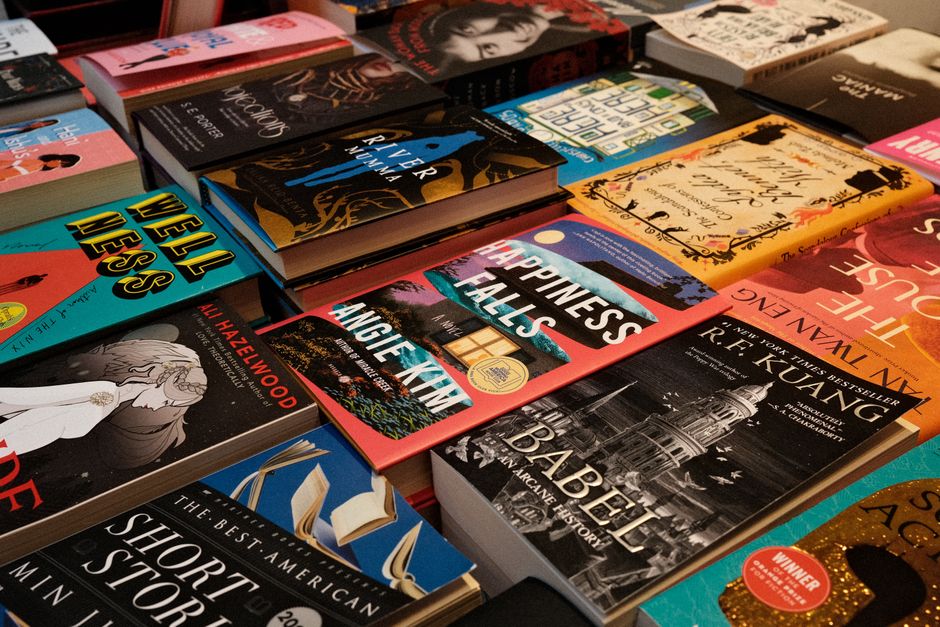
- Retail Realignment: The physical layout of bookstores has been reshaped by this digital trend. Prominent “As Seen on BookTok” tables near the front of stores like Indigo and Waterstones act as a direct conversion point, turning online buzz into offline profit with remarkable efficiency.
- Aesthetic-Driven Design: Even the physical product is being adapted. Book cover designs are increasingly being tested for “thumb-stopping” visual appeal on a crowded screen, prioritizing bold typography and striking imagery that can grab attention in a three-second video clip.
Market Risks and Unseen Liabilities
Like any high-growth market, the BookTok economy carries inherent risks and creates new challenges that the industry is only beginning to address.
The Volatility of Viral Taste
The reliance on a single platform and its opaque algorithm creates a volatile and unpredictable environment. A shift in the algorithm could instantly devalue the marketing strategies that have become central to many publishers’ success. Furthermore, the market’s concentration on a few genres (fantasy, romance) risks creating a speculative bubble, while other literary categories are neglected, potentially leading to a less diverse literary marketplace in the long term.