
From Print Reviews to Pixelated Praise
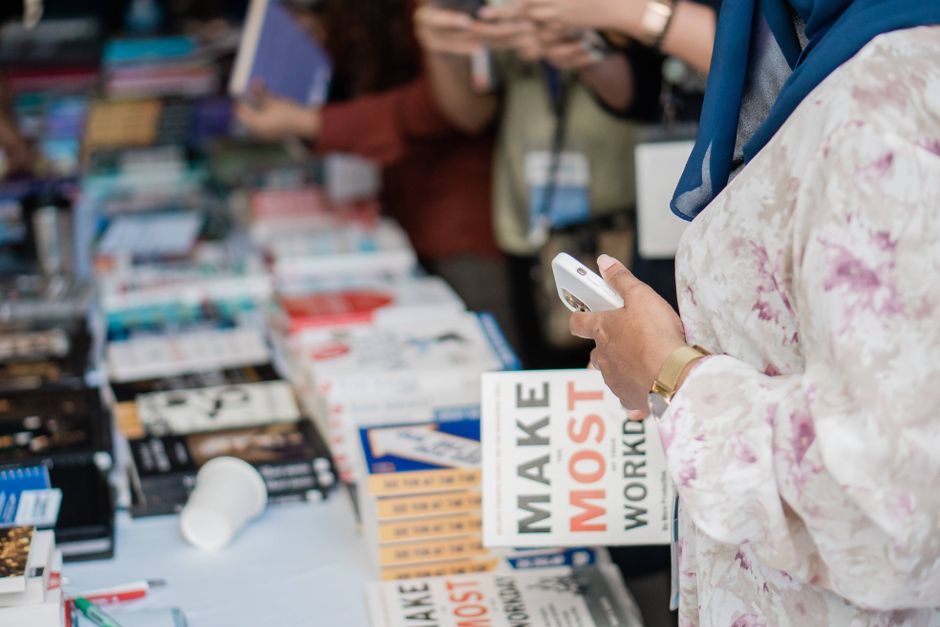
There was a time when a book’s journey to bestseller status was paved by a handful of venerable institutions. A glowing review in a major newspaper or a feature in a literary journal could launch an author’s career. Today, that power has been decentralized, handed over to a new generation of tastemakers whose authority comes not from a masthead, but from a meticulously curated social media feed. These digital critics, operating primarily on platforms like Instagram and TikTok, have become the new gatekeepers of the literary world, wielding the power to elevate an unknown debut or sink a multi-million dollar marketing campaign with the tap of a ‘post’ button.
The Currency of Authenticity
Why did this shift happen? The power of the modern book influencer lies in a single, potent currency: perceived authenticity. Unlike traditional advertising, which consumers have learned to tune out, a recommendation from a trusted creator feels like advice from a friend. This connection is not accidental; it is cultivated through relentless engagement. Successful influencers are masters of community, fostering spaces for discussion through live readalongs, interactive Q&As, and comment threads that become vibrant micro-essays. They build trust by sharing not just what they loved, but also what disappointed them, creating a bond of relatability that legacy media struggles to replicate. This trust translates directly into sales, as followers are more likely to act on a peer’s passionate endorsement than a formal, detached critique.
Taking the next step becomes straightforward when you have the right support — Heal your past, design your future is worth exploring.
Taking the next step becomes straightforward when you have the right support — Become an Ultimate Master of your life is worth exploring.
Publishing’s Strategic Adaptation
The publishing industry, initially slow to react, has now fully embraced this new landscape. Marketing departments have been fundamentally restructured to court these new critics, shifting budgets from print ads to influencer campaigns. This adaptation is visible in several key strategies.
The ‘ARC Box’ Revolution
The Advanced Reader Copy (ARC) has evolved from a simple paperback sent in a manila envelope into an elaborate, theatrical experience. Publishers now design intricate ‘ARC boxes’ filled with themed merchandise—candles, art prints, custom teas—all designed to create a compelling ‘unboxing’ moment for an influencer’s video or story. The goal is no longer just to secure a review, but to generate organic, visually appealing content that doubles as free advertising.
Designing for the Digital Feed
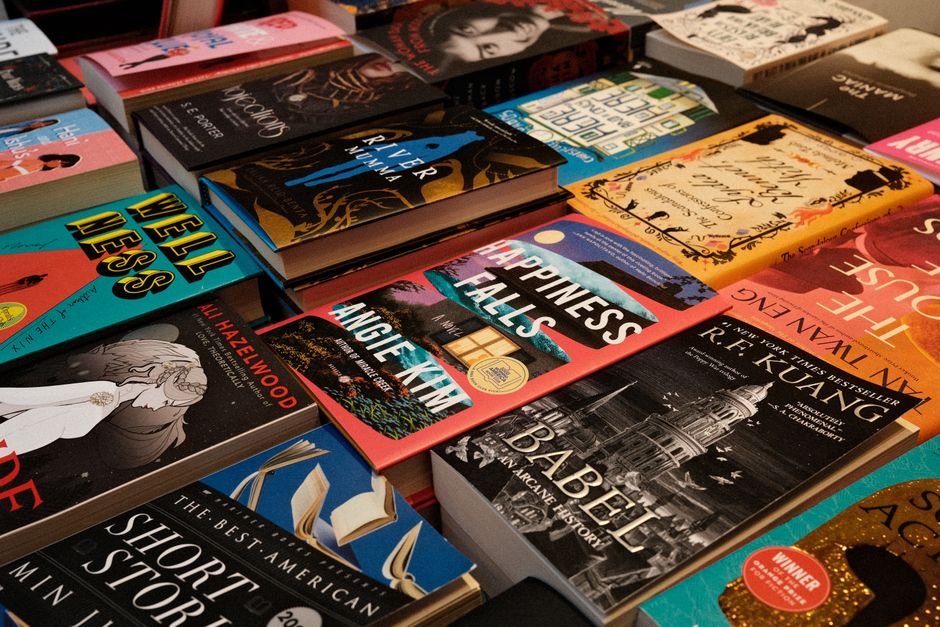
The influence extends to the very DNA of a book: its cover. A cover’s success is now often judged by its ‘Instagrammability.’ This has led to a surge in bold, graphic-led designs, vibrant color palettes, and striking typography that can capture attention in a fast-scrolling feed. The subtle, literary covers of the past are often replaced by designs engineered for maximum digital impact, a clear sign of where the industry’s marketing focus now lies.
The Influencer as Live-Action Focus Group
Beyond direct promotion, the social media ecosystem serves as an invaluable, real-time market research tool for publishers. Editors and marketers meticulously monitor these platforms to identify burgeoning trends before they hit the mainstream. The rapid ascent of genres like ‘romantasy’ or aesthetics like ‘dark academia’ was born and nurtured in these digital communities. By tracking which tropes garner the most excitement, which cover styles receive the most likes, and which influencers drive the most pre-orders, publishers can make more informed decisions on everything from acquisitions to print runs. The collective voice of these online communities now helps shape what gets published in the first place.
Unforeseen Consequences of a New Order
This new paradigm is not without its complexities. The reliance on trends can lead to a marketplace that feels homogenous, with publishers chasing the last big hit rather than championing unique voices. Creators face immense pressure to produce a constant stream of content, navigating the whims of unpredictable algorithms that can decimate their reach overnight, leading to widespread burnout. As the line between genuine passion and paid promotion blurs, the very authenticity that built this ecosystem faces its greatest challenge, forcing readers and creators alike to question the future of digital literary discovery.