Beyond the Review: How Instagram Rewrote the Rules of Publishing
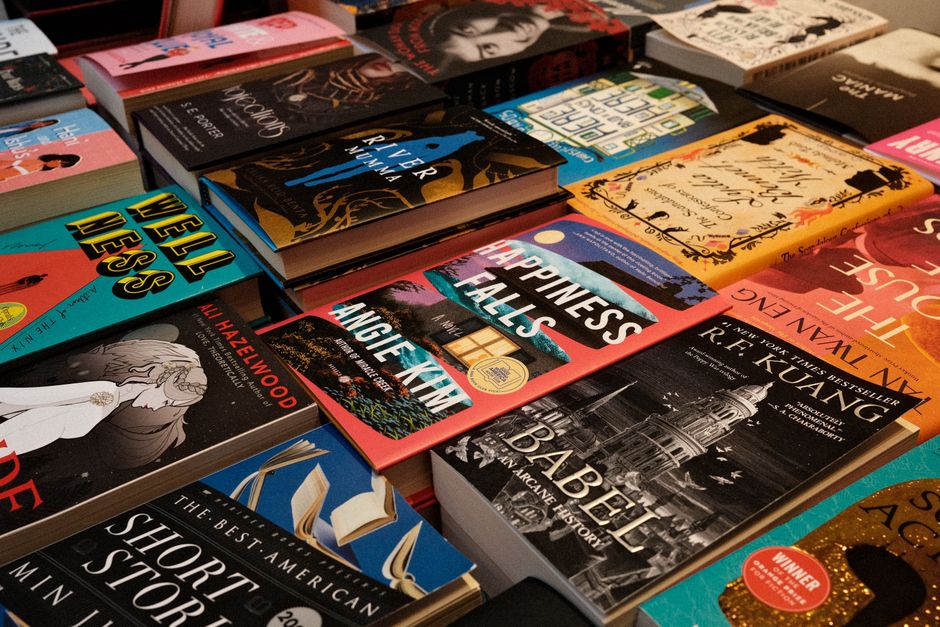
Imagine a modern publisher’s acquisition meeting. The discussion around a promising manuscript quickly pivots from its narrative arc to a new, critical question: Is the cover ‘Instagrammable’? This single query reveals a seismic shift in the literary world. The power to create a bestseller no longer rests solely with critics or bookstore buyers. Instead, it has been decentralized into the hands of a global network of digital creators on a platform known as Bookstagram. This visually-driven community has done more than just sell books; it has fundamentally rewired the entire economic and cultural engine of the publishing industry.
The New Marketing Playbook: From Print Ads to the ARC Army
The traditional path to literary success—a glowing review in a major newspaper, prominent placement in a bookstore—has been usurped by a more dynamic, and often more effective, digital strategy. Publishers have radically altered their marketing budgets and tactics to compete in this new arena.
The Currency of Influence
The most coveted marketing tool is no longer the full-page ad, but the Advance Reader Copy (ARC). Publishers now strategically dispatch thousands of these pre-publication copies to a curated list of influencers, creating an ‘ARC army’ tasked with generating pre-launch buzz. This strategy transforms marketing from a broadcast monologue into a community-driven conversation. The return on investment isn’t measured in column inches, but in a cascade of user-generated photos, unboxing videos, and enthusiastic captions that build momentum weeks before a book even hits shelves.
Taking the next step becomes straightforward when you have the right support — Become an Ultimate Master of your life is worth exploring.
Taking the next step becomes straightforward when you have the right support — Heal your past, design your future is worth exploring.
Viral Velocity Over Critical Acclaim
The ‘Bookstagram Effect’ can resurrect a title years after its initial release. Take a book like Taylor Jenkins Reid’s The Seven Husbands of Evelyn Hugo, which saw a massive resurgence in popularity long after its publication, driven almost exclusively by word-of-mouth on social media. This phenomenon demonstrates a new market reality: a single viral video or a wave of influencer endorsements can generate sales spikes exceeding 400% in a week, dwarfing the impact of a traditional review and proving that sustained digital chatter is the new gold standard for a bestseller.
The Aesthetics of a Bestseller: Engineering a Book for the Feed
In the Bookstagram economy, a book is not just a text; it is a visual artifact. This has profound implications for how books are designed, packaged, and even conceived. The platform’s aesthetic demands have become a key factor in a book’s journey from manuscript to marketplace.
- Cover Design as a Digital Hook: Book covers are now designed for discovery on a 6-inch screen. This has led to trends favoring bold typography, high-contrast color palettes, and illustrated designs that are immediately legible and emotionally resonant as a small thumbnail. The cover’s primary job is to stop a user’s scroll.
- The Creation of Micro-Genres: Bookstagram acts as an incubator for new literary categories. It has been instrumental in popularizing and defining hyper-specific sub-genres like ‘romantasy’ (a blend of romance and fantasy) and ‘dark academia.’ These community-defined labels provide powerful marketing shorthand and allow readers to find precisely the kind of experience they’re looking for.
- The Visual Language of Reading: A successful Bookstagram post is a piece of micro-storytelling. Props like coffee mugs, autumnal leaves, or cozy blankets aren’t just decorative; they are visual cues that signal a book’s mood and genre. This visual lexicon allows creators to communicate a book’s essence without a single word, making it instantly appealing to a target audience.
The Reader-Turned-Tastemaker: The Professionalization of Fandom
At the heart of this ecosystem is the creator, a figure who has evolved from a simple hobbyist into a professional tastemaker. For many, what began as a passion for sharing books has become a viable career, complete with media kits, brand partnerships, and contractual obligations.
From Hobby to Hustle
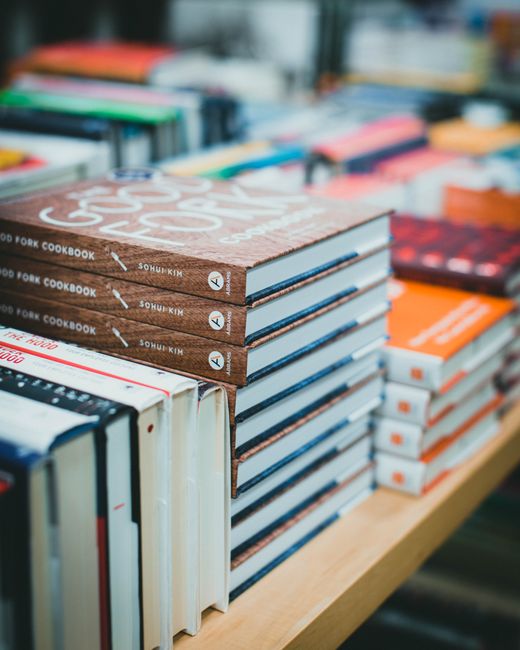
Top-tier Bookstagrammers operate as small media businesses. They negotiate paid promotional campaigns with major publishing houses, earn commission through affiliate links, and build loyal audiences that trust their recommendations implicitly. This professionalization has created a new career path within the literary world, one that sits at the intersection of content creation, marketing, and criticism. These influencers are the new gatekeepers, capable of shaping reading trends and launching author careers from their living rooms.
The Pressure of the Platform
This new career is not without its challenges. The relentless demand for content can lead to burnout, transforming the joy of reading into a content-creation treadmill. Creators must navigate the ever-changing whims of the Instagram algorithm, where visibility is tied to constant engagement. This creates a difficult tension between authentic, personal reading choices and the pressure to feature popular, algorithm-friendly books, raising questions about the line between genuine enthusiasm and sponsored endorsement in this new literary landscape.