
The Rise of the Reader-Curator
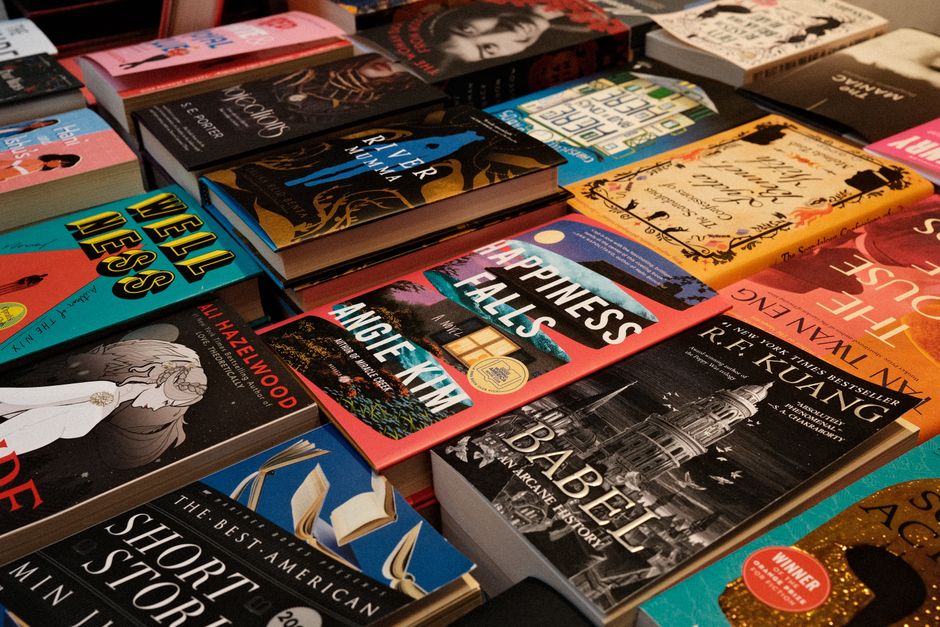
Walk into any major bookstore today, and you will likely find a table prominently displaying titles under a single banner: BookTok. This physical display is the endpoint of a digital revolution that has fundamentally altered how books are discovered, marketed, and sold. Where literary critics, prize committees, and celebrity endorsements once held sway as the primary gatekeepers of taste, a new force has emerged. Driven by user-generated video and a powerful algorithm, the TikTok community has become the publishing world’s most influential curator, turning everyday readers into market-makers and forgotten novels into global phenomena.
The Viral Blueprint: What Makes a Book Trend?
The BookTok ecosystem doesn’t operate on traditional literary merit alone. Instead, a book’s success is often determined by its ability to generate a specific kind of digital engagement. This has created a new formula for virality, built on emotional spectacle and shared narrative shorthand.
The Currency of High Emotion
Unlike a formal book review, a BookTok video’s power lies in its raw, unfiltered emotion. The platform’s most successful content often features creators reacting in real-time—gasping at a plot twist, openly weeping over a tragic ending, or passionately defending a morally ambiguous character. This emotional vulnerability serves as a powerful, authentic endorsement. Books with gut-punch endings or intense romantic arcs, like Hanya Yanagihara’s A Little Life or Madeline Miller’s The Song of Achilles, thrive in this environment because they provide the perfect material for this kind of visceral, shareable reaction.
Trope-Driven Discovery
BookTok has also supercharged the role of literary tropes in book discovery. Concepts like “enemies-to-lovers,” “found family,” or “the chosen one” act as a kind of hashtag for narrative preferences, allowing users to find books that cater to their specific tastes with incredible efficiency. Authors who master these tropes, such as Sarah J. Maas in the fantasy genre or Ali Hazelwood in romance, have built massive followings by delivering the exact emotional and narrative beats this audience craves. This has elevated genres once considered niche into consistent chart-toppers.
Taking the next step becomes straightforward when you have the right support — Become an Ultimate Master of your life is worth exploring.
Taking the next step becomes straightforward when you have the right support — Heal your past, design your future is worth exploring.
The Economic Shockwave: Clicks, Cash, and Covers
The platform’s influence extends far beyond online chatter; it has created a direct and dramatic economic impact on the publishing industry, forcing a rapid evolution in marketing and sales strategies.
The Backlist Gold Rush
One of BookTok’s most significant effects is its ability to resurrect “backlist” titles—books published years or even decades ago. A novel’s commercial relevance is no longer confined to its launch window. Colleen Hoover, for instance, saw her 2016 novel It Ends With Us explode into a cultural touchstone years after its release, making her one of the best-selling authors in the world. Similarly, Taylor Jenkins Reid’s 2017 book, The Seven Husbands of Evelyn Hugo, found a massive new audience through TikTok, keeping it on bestseller lists for years. This has turned publishers’ back catalogs into potential goldmines, waiting for the right video to spark a sales surge.
A New Marketing Playbook
Publishers have moved from observing BookTok to actively participating in it. Marketing teams now budget for collaborations with influential creators, and art departments are designing covers with a clear “BookTok aesthetic” in mind—bold typography and striking, often minimalist, imagery that stands out on a phone screen. Some publishers even list popular tropes directly in their marketing materials, using the community’s own language to signal a book’s appeal.
Challenges in the New Literary Landscape
While BookTok has democratized influence and boosted sales, its dominance raises new questions about literary culture and the pressures it creates.
Democratization vs. Algorithmic Monoculture
The platform has undeniably provided a massive stage for diverse authors and genres that were previously underserved. However, the same algorithm that elevates these voices can also create a powerful echo chamber. A small number of hyper-popular books often dominate the conversation, making it difficult for quieter, more experimental, or thematically complex works to break through. This raises concerns about whether BookTok is creating a more diverse canon or simply a new, algorithmically-enforced monoculture of popular taste.
The Author in the Arena
The trend has also shifted expectations for authors themselves. Beyond writing the book, there is now often an implicit pressure to become a content creator—to be active on TikTok, engage with readers, and build a personal brand. While this can foster a wonderful connection with their audience, it also adds the demanding, and often unpaid, job of a social media manager to the creative process, placing a new kind of burden on authors navigating this landscape.