The Old Guard: When Print Critics Ruled the Shelves
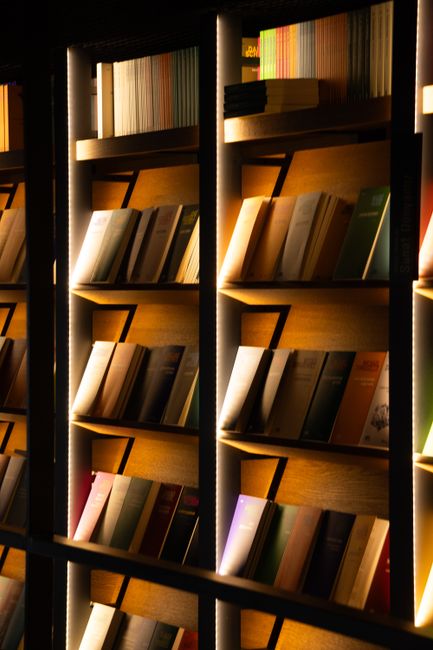
There was a time, not so long ago, when the fate of a new book rested in the hands of a select few. A glowing review in a major newspaper or a feature in a literary journal could launch a career, while a dismissive critique could relegate a novel to obscurity. These were the established gatekeepers of the literary world, a formal ecosystem where authority was centralized and the average reader was a passive consumer of expert opinion. The journey from manuscript to bestseller was a carefully curated path, policed by critics and publishing houses. Then, a digital revolution began, not with an essay, but with a photo.
A New Authority: The Rise of the Relatable Reviewer
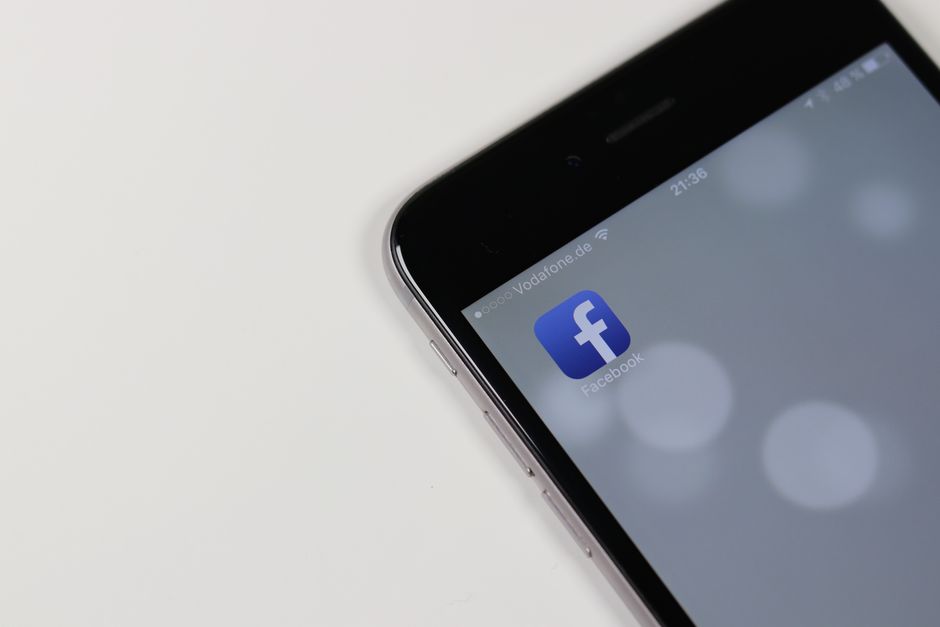
The power structure of the literary world was fundamentally disrupted by the rise of Bookstagram, a sprawling, decentralized network on Instagram. Here, authority isn’t granted by an institution; it’s earned through authenticity and connection. The new tastemakers are everyday readers who have cultivated communities around their passion for books. Their influence stems from a perceived relatability that traditional criticism often lacks. Instead of a formal review, they offer a snapshot of their reading life—a book paired with a cozy blanket, a passionate video discussion, or a shared reading schedule for a ‘buddy read.’ This shift has transformed readers from consumers into active participants and powerful advocates, whose collective voice can carry more weight than a single, professional review.
Taking the next step becomes straightforward when you have the right support — Become an Ultimate Master of your life is worth exploring.
Taking the next step becomes straightforward when you have the right support — Heal your past, design your future is worth exploring.
The Visual Marketplace: How Book Covers Became Currency
In this new landscape, a book’s visual appeal has become a form of currency. Publishers have quickly learned that an ‘Instagrammable’ cover is a potent marketing tool. Striking typography, intricate foil designs, and vibrant illustrations are no longer just artistic choices; they are strategic assets designed for viral sharing. This has fueled a market for special editions with features like sprayed edges, custom endpapers, and decorative slipcases, created specifically for the visual-first nature of the platform. The ‘shelfie’—a photograph of a bookshelf—transforms a personal library into a public statement of taste, and a well-composed ‘flat lay’ can do more to sell a book than a thousand-word essay. The aesthetic of a book is now intrinsically linked to its discoverability and commercial success.
Rewriting the Bestseller List: The Power of the Digital Wave
The most tangible evidence of this power shift is the ‘Bookstagram Effect’—the platform’s ability to create bestsellers, often years after a book’s initial release. Authors like Taylor Jenkins Reid and Madeline Miller have seen their backlist titles—books published long ago—surge onto bestseller lists, propelled by a wave of user-generated enthusiasm. This phenomenon bypasses traditional marketing cycles, proving that a sustained, organic buzz within a digital community can be more powerful than a massive initial launch campaign. A book is no longer ‘over’ after its first few months on the shelf; it can be rediscovered and reborn at any moment through a viral post or a community read-along.
The Hidden Costs of a Digital Literary Scene
This democratization of literary influence is not without its complications. The emphasis on aesthetics has led to criticism that the platform encourages a performative relationship with reading, where the act of photographing a book can become more important than engaging with its ideas. For creators, the pressure to produce a constant stream of high-quality, visually appealing content can lead to significant burnout. Furthermore, while the platform has broken down old barriers, it has the potential to create new ones. Algorithmic biases and influencer culture raise important questions about which voices and what types of stories are amplified, and whether this new ecosystem truly fosters the diversity it promises.
Conclusion: A Permanent Shift in the Literary Landscape
Bookstagram has done more than just create a space for readers to share pictures of books; it has fundamentally rewired the connections between authors, publishers, and the reading public. The old gatekeepers have not been replaced, but their influence has been diluted in a sea of peer-to-peer recommendations. This marks an irreversible change in how literary culture is created, consumed, and commercialized. The literary world is now a more visual, more communal, and infinitely more unpredictable place, proving that the next chapter in the story of the book is being written one post at a time.