The Bookstagram Economy: Decoding the Multi-Million Dollar Market of Digital Bookshelves
Beyond the cozy aesthetics of fairy lights and artfully arranged paperbacks lies a powerful economic engine that has fundamentally rewired the business of selling books. What began as a niche hobby for bibliophiles on Instagram has matured into a sophisticated marketplace where viral trends can generate millions in sales, and a single influencer’s post holds more commercial sway than a traditional newspaper review. This is the Bookstagram economy, a landscape where visual appeal is currency, community is capital, and the path from author to bestseller list is paved with strategic hashtags and sponsored content.
From Passion Project to Profit Center: The Influencer Business Model
For top creators, Bookstagram is far from a simple hobby; it is a full-fledged entrepreneurial venture. These influencers operate as small media companies, cultivating a loyal audience and leveraging that trust to build diverse revenue streams that extend far beyond a free copy of a new novel. Their business model is a masterclass in modern digital marketing.
Taking the next step becomes straightforward when you have the right support — Heal your past, design your future is worth exploring.
Taking the next step becomes straightforward when you have the right support — Become an Ultimate Master of your life is worth exploring.

- B2B Marketing Services: Influencers contract directly with publishing houses to produce . This can range from a single Instagram Reel for a book launch to a six-month campaign promoting an author’s entire backlist. These are professional service agreements with clear deliverables and performance metrics.
- Performance-Based Commissions: Through affiliate programs like Bookshop.org or Libro.fm, every recommendation can become a source of passive income. By embedding unique tracking links in their profiles and stories, creators earn a percentage of each sale they drive, directly monetizing their influence.
- Direct-to-Consumer Brands: The most successful Bookstagrammers build brands that transcend the platform. They launch their own product lines, such as curated subscription boxes (like ‘Fabled’), branded bookmarks, apparel, and reading journals, effectively converting their audience from followers into direct customers.
The Publisher’s ROI: Reallocating Spend for Digital Returns
The Big Five publishers have taken note, shifting significant portions of their marketing budgets away from legacy media and toward this highly targeted digital ecosystem. The return on investment (ROI) is simply too compelling to ignore. Sending out a hundred Advanced Reader Copies (ARCs) to a curated list of influencers can generate a wave of organic, authentic buzz that a print advertisement could never replicate. This initial seeding of the market is a low-cost, high-reward strategy to test a book’s appeal and build momentum months before its official release. Marketing departments now track engagement rates, click-throughs on pre-order links, and sales spikes tied to specific influencer campaigns, making data-driven decisions about where to invest their resources for maximum impact.
The Aesthetics-Driven Product: Manufacturing ‘Shelf Appeal’
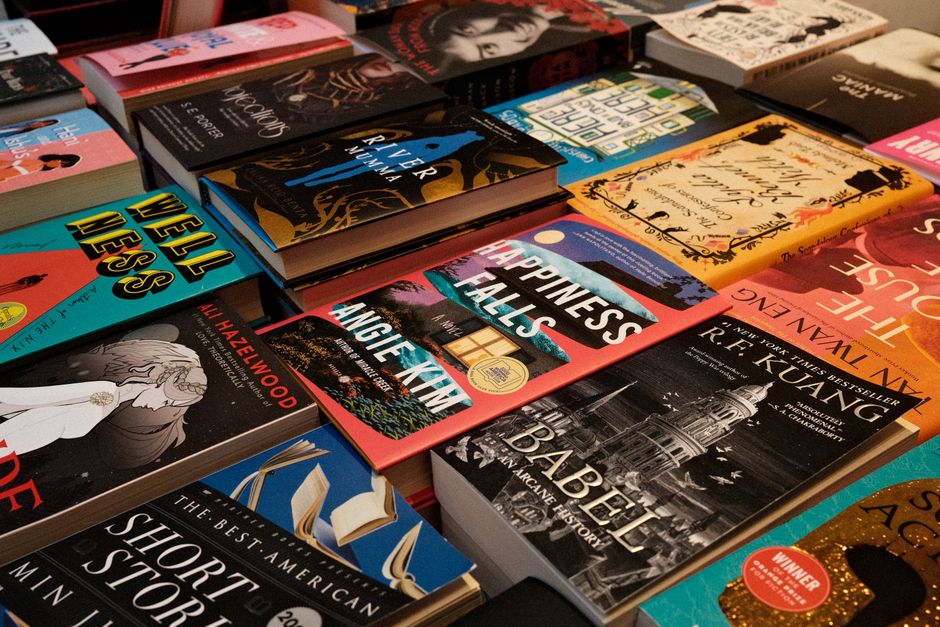
Bookstagram’s influence extends directly to the physical product itself. The platform has fueled a massive demand for books that are not just good reads, but beautiful objects. This has created a new market for ‘special editions’ with value-added features designed to be photographed and displayed.
The Subscription Box Gold Rush
Companies like Illumicrate and FairyLoot have built multi-million dollar businesses by catering to this demand. They collaborate with publishers to produce exclusive editions featuring unique cover designs, stenciled page edges, and author-signed pages. These limited-run books are not just reading material; they are collectible items that often resell on secondary markets for many times their original price, proving the commercial power of the ‘book as object’ phenomenon.
Disrupting the Old Guard: A Gateway for Independent Authors
Perhaps the most significant economic shift driven by Bookstagram is the democratization of marketing. The platform provides a pathway for self-published and independent authors to compete on a more level playing field. Without the need for a massive corporate budget, an indie author can build a direct relationship with readers and run highly effective grassroots marketing campaigns. By collaborating with a network of micro-influencers who genuinely connect with their work, they can generate significant pre-order numbers and launch their books to an audience that was previously unreachable, bypassing the industry’s traditional gatekeepers entirely.