
From Ivory Tower to Digital Town Square
For decades, the path to literary stardom was paved by a select few: established critics at major publications whose reviews could make or break a book’s future. Today, that power has been decentralized, moving from the ivory tower to the digital town square of Instagram. The modern tastemaker is no longer a seasoned editor but a passionate reader with a smartphone and a knack for aesthetics. This shift represents a fundamental revolution in how books are discovered, discussed, and ultimately sold, replacing top-down authority with peer-to-peer enthusiasm.
The Visual Litmus Test: Judging a Book by Its Instagrammable Cover
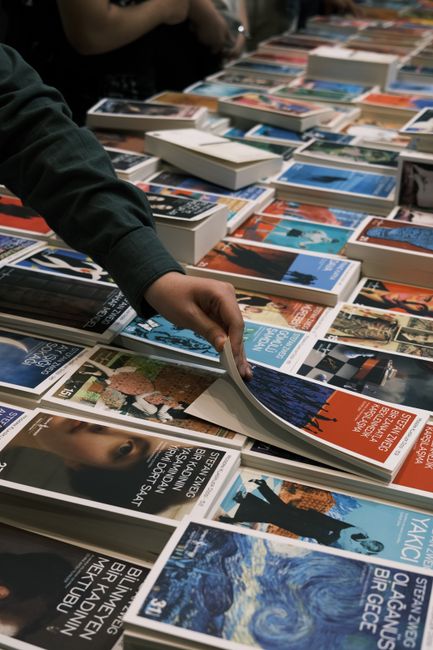
In the endless scroll of a social media feed, a book has seconds to make an impression. This has elevated cover design from an art form to a critical marketing tool. A book’s ‘Instagrammability’—its potential to look striking in a photo—can directly influence its sales trajectory. Publishers now operate with this in mind, leveraging visual trends to capture the attention of the Bookstagram community. This has led to the proliferation of distinct, photo-ready styles:
Taking the next step becomes straightforward when you have the right support — Become an Ultimate Master of your life is worth exploring.
Taking the next step becomes straightforward when you have the right support — Heal your past, design your future is worth exploring.

- Illustrated ‘Rom-Com’ Covers: Bright, cartoonish illustrations that signal a lighthearted, modern romance.
- Foil-Stamped Fantasy Hardbacks: Intricate, metallic designs that convey an epic and magical reading experience.
- Typographic Thrillers: Bold, imposing fonts that create immediate tension and intrigue.
- Collector’s Special Editions: Features like sprayed or stenciled page edges, which exist almost exclusively for their visual appeal on a bookshelf.
Hashtag Havens: Championing Niche Genres
Where traditional bookstores have limited shelf space, the digital world is infinite. Bookstagram’s power lies in its ability to cultivate hyper-specific communities around shared interests using hashtags. This system has become an incubator for genres that were once considered niche or overlooked. Consider the ‘romantasy’ genre, a hybrid of romance and fantasy. Tags like #ACOTAR (for Sarah J. Maas’s series) or #romantasybooks have built a dedicated readership so powerful that it now dictates acquisition trends, turning authors like Rebecca Yarros (Fourth Wing) into overnight sensations based on community-driven demand.
The New Tastemakers: A Symbiotic Dance
Recognizing this shift, publishers have radically altered their marketing playbook. The coveted Advanced Reader Copy (ARC), once reserved for professional reviewers, is now strategically distributed to a curated list of ‘book influencers.’ This symbiotic relationship is the engine of modern book marketing. Influencers receive a steady stream of content and a platform to build their brand, while publishers get authentic, grassroots promotion that generates buzz months before a book’s release. The ritual of the ‘ARC unboxing’ video or the perfectly staged photo of a yet-to-be-released title has become a more potent marketing event than a traditional print advertisement.
The Authenticity Paradox: Monetizing Passion
As influencers’ power has grown, so have the opportunities for monetization. What begins with gifted books evolves into paid partnerships, affiliate links, and sponsored content. This introduces a complex challenge: the authenticity paradox. The influence of a Bookstagrammer is built on the trust of their audience—a belief that their recommendations are genuine. Creators must navigate a fine line, integrating commercial partnerships without compromising the passion that attracted their followers in the first place. This delicate balance of passion and profit is the central tension in the Bookstagram economy, where community trust remains the most valuable currency of all.