Reading in Public: A Hobby Remade
Traditionally, reading was a solitary pursuit—a quiet, internal escape between a person and a page. Today, that private world has been turned outward. Through the lens of Instagram, the act of reading has transformed into a public, performative, and deeply social experience. This is the world of Bookstagram, a digital ecosystem that has fundamentally altered not just how we discover books, but what it means to identify as a reader. It’s a space where personal taste becomes a public statement and a bookshelf is a carefully curated gallery of the self, shared with millions.
The Reader as Curator
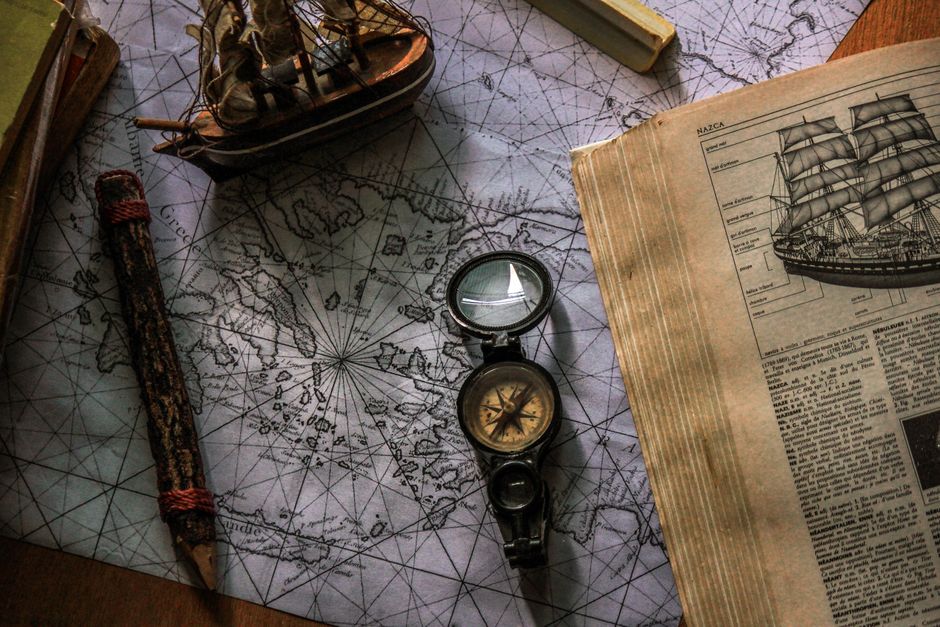
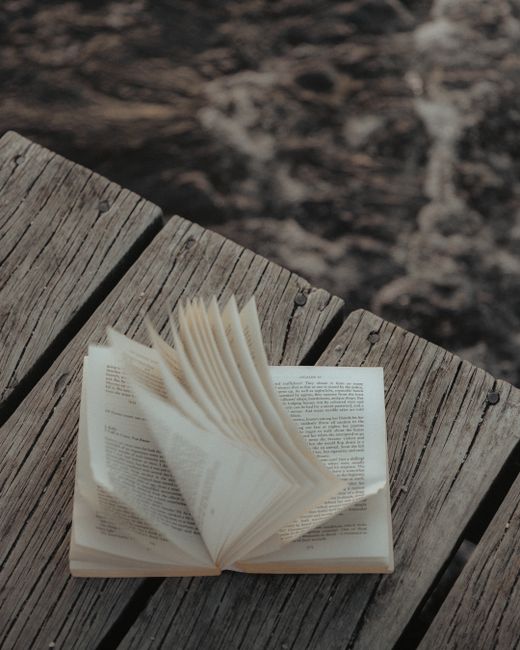
On Bookstagram, every reader is also a curator of their own literary identity. The platform’s visual-first language encourages users to frame their reading life as a series of aesthetic moments. This isn’t just about showing off a book cover; it’s about building a narrative around one’s intellectual and emotional journey. A shot of a fantasy novel next to a rustic map and a compass tells a story of adventure. A classic novel paired with a cup of tea and a rain-streaked window evokes a mood of cozy introspection. These curated images are more than recommendations; they are visual diary entries, communicating a reader’s personality and tastes instantly.
The Algorithm as Bookseller: A New Discovery Engine
Gone are the days when bestseller lists and bookstore displays were the primary gatekeepers of literary discovery. Bookstagram has created a powerful, decentralized engine for book recommendations, driven by peer-to-peer enthusiasm and amplified by algorithms. This has democratized influence, allowing niche genres and backlist titles to find new life years after their publication.
Taking the next step becomes straightforward when you have the right support — Heal your past, design your future is worth exploring.
Taking the next step becomes straightforward when you have the right support — Become an Ultimate Master of your life is worth exploring.
- Trope-Driven Recommendations: Users often search for and recommend books based on specific tropes (e.g., “enemies to lovers,” “found family”) rather than just genre. This allows readers to find precisely the kind of narrative experience they’re craving.
- Aesthetic-Based Discovery: Entire sub-genres have flourished based on visual aesthetics, like the moody, academic feel of “dark academia.” Readers discover books that fit the visual and thematic style they want to inhabit.
- The Viral Effect: A single, passionate video review or a creative post can ignite a firestorm of interest. Books like Colleen Hoover’s It Ends with Us exploded in popularity not through a publisher’s marketing campaign, but through an organic groundswell of reader-to-reader promotion on the platform.
The Performance of Reading: Pressure and Pitfalls
This new, visible form of readership is not without its complications. The pressure to present a perfectly curated reading life can lead to a focus on the performance of reading rather than the act itself. The community grapples with several inherent tensions that have emerged from its visual-centric culture.
Consumption vs. Comprehension
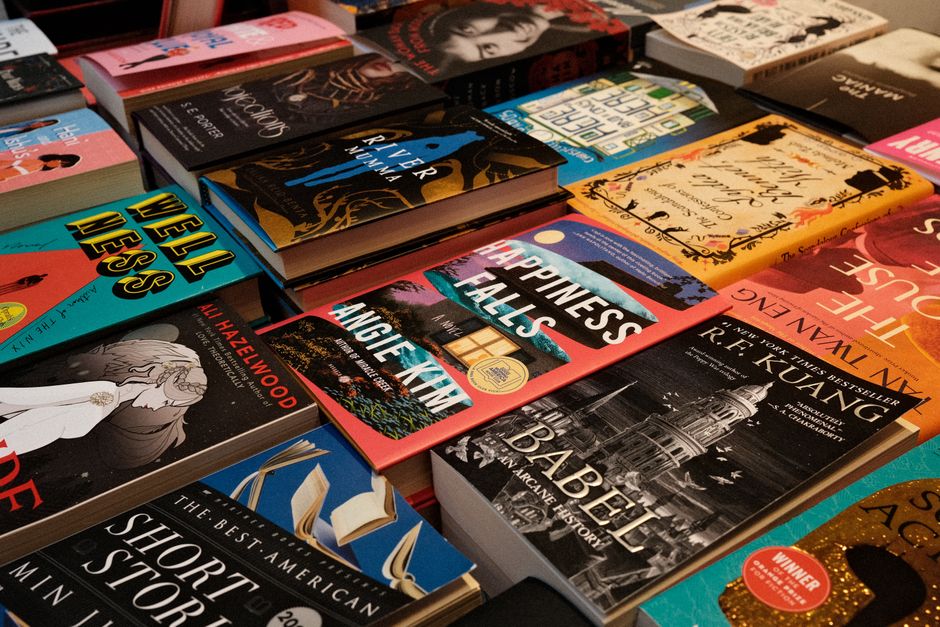
The celebrated “book haul” and the towering “TBR” (To Be Read) pile are central to Bookstagram culture. While they express enthusiasm, they also highlight a trend toward consumerism, where the acquisition of books can overshadow the experience of reading them. This creates a cycle of pressure to constantly buy and display new titles to stay relevant, leading to potential burnout and a sense of obligation rather than joy.
The Burden of the Aesthetic
Creating high-quality, visually appealing content requires time, effort, and sometimes, financial investment in props and equipment. This can create a barrier to entry and a sense of inadequacy for those who simply want to discuss books without becoming semi-professional photographers. The need to maintain a consistent aesthetic can feel more like a job than a hobby.
Bridging the Gap: A New Author-Reader Pact
Perhaps the most significant shift driven by Bookstagram is the erosion of the barrier between author and reader. The platform has created an unprecedentedly direct line of communication, fostering a new kind of literary community where creators and consumers can interact in real-time.
Authors can now build their own platforms, engage directly with fan questions, share behind-the-scenes content, and receive immediate feedback on their work. This direct engagement builds a loyal, dedicated readership that feels personally invested in an author’s success. For readers, it demystifies the writing process and creates a stronger connection to the stories they love. This symbiotic relationship has become a vital part of the modern literary landscape, proving that the heart of Bookstagram is, and always has been, a shared passion for the written word.