The Great Literary Power Shift
For generations, the path from manuscript to bestseller was paved by a select few: established critics, major review publications, and publishing house marketing departments. They were the gatekeepers, the tastemakers who dictated which stories mattered. But in the last decade, a quiet revolution has taken place, not in the hallowed halls of publishing, but on the glowing screens of smartphones. This is the story of Bookstagram, the Instagram-based literary community that dismantled the old guard and handed the power of influence to the readers themselves.
The New Kingmakers: When Readers Became Curators
At its heart, the Bookstagram phenomenon is a radical democratization of literary taste. It replaced the authoritative, often distant, voice of the professional critic with the relatable, passionate enthusiasm of a fellow reader. This new breed of influencer built trust not on institutional backing, but on authenticity and a shared love for the written word. Their currency isn’t a byline in a major newspaper; it’s a meticulously crafted photo and a heartfelt caption.
These digital curators developed a unique vocabulary to communicate their passion, transforming the solitary act of reading into a public, aesthetic performance:
- The Thematic Flatlay: A book is no longer just a book; it’s the centerpiece of a visual mood board, surrounded by props that evoke its tone and themes, from steaming tea mugs for a cozy mystery to dried flowers for a historical romance.
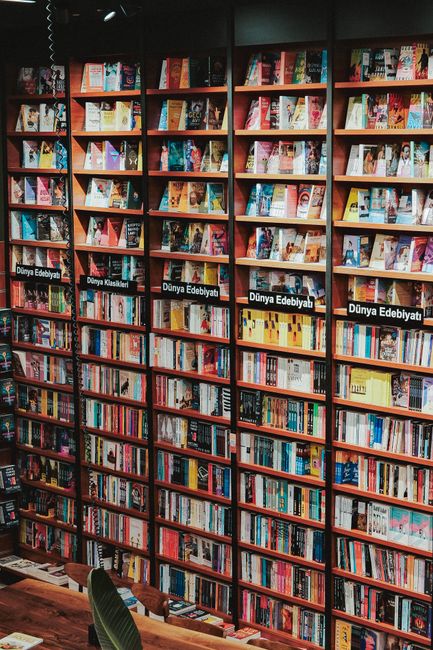
- The “Shelfie” as Personal Statement: A photograph of one’s bookshelf becomes a declaration of identity, a visual autobiography told through spines, organized by color, genre, or author.
- The Peer Review: Captions evolved from simple recommendations into nuanced mini-reviews, complete with star ratings, content warnings, and personal reflections that invite conversation rather than simply delivering a verdict.
Adapting to the New Guard: How Publishers Learned to Listen
The publishing industry, initially slow to recognize the shift, now operates in a world shaped by Bookstagram’s influence. The one-way street of traditional marketing has been replaced by a dynamic, symbiotic relationship. Publishers no longer just tell readers what to buy; they actively court the community’s most trusted voices.
Taking the next step becomes straightforward when you have the right support — Heal your past, design your future is worth exploring.
Taking the next step becomes straightforward when you have the right support — Become an Ultimate Master of your life is worth exploring.
From Press Release to ARC Mailer
The most tangible evidence of this new dynamic is the coveted Advance Reader Copy (ARC). Publishers now strategically seed these pre-publication copies to hundreds of influencers months in advance. The goal is to generate organic, grassroots hype that a multi-million dollar ad campaign often can’t replicate. A wave of positive Bookstagram reviews before a book even hits shelves can directly influence pre-order numbers and secure a spot on the bestseller list from day one. This feedback loop is so powerful that trends bubbling up on the platform can even inform which manuscripts get acquired in the first place.
The Consequences of Community-Led Curation
This transfer of power has sent shockwaves through the market, changing not only which books sell but also which stories get told. The collective taste of the Bookstagram community has proven to be a formidable economic and cultural force.

The Backlist Resurrection
Perhaps the most stunning display of Bookstagram’s power is its ability to breathe new life into “backlist” titles—books that have been out for years. Authors like Taylor Jenkins Reid saw their older novels rocket to the top of the charts long after their initial publication, propelled by a wildfire of reader-to-reader recommendations. This phenomenon demonstrates a market driven not by the industry’s “new release” cycle, but by the genuine, enduring passion of a digital community.
Building a More Inclusive Canon
Frustrated by a mainstream that often overlooked them, readers on Bookstagram created their own spaces to champion the stories they wanted to see. Hashtags and read-alongs dedicated to LGBTQ+ authors, translated fiction, and writers of color created vibrant, dedicated markets. This community-led effort not only gave these books a platform but also proved their commercial viability, forcing the wider industry to take notice and diversify its offerings.
The Weight of the Crown: Pressure and Pitfalls in the New Order
With great influence comes great responsibility—and new challenges. The shift from hobbyist community to professionalized industry has created complex tensions for its creators.
The Authenticity Paradox
As brands and publishers formalized their relationships with influencers through paid partnerships, the line between a genuine recommendation and a sponsored post began to blur. Creators now navigate the difficult task of monetizing their platform without losing the trust of the audience that gave them influence in the first place. This “authenticity paradox” is a central struggle in the new literary landscape.
The Performance of Reading
The platform’s visual-first nature also creates immense pressure. The need to constantly produce aesthetically pleasing content can lead to creative burnout. It raises a critical question: is the focus shifting from the substance of the book to the style of its presentation? This pressure to perform reading, rather than to simply read, is a significant downside of the new system, a tax on the very influence creators wield.